
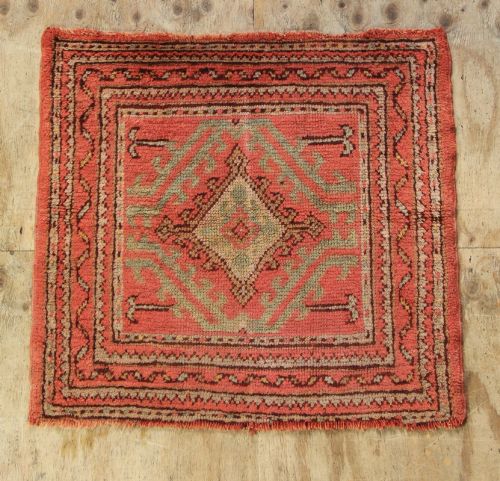


Terracotta Anatolian Rug
These terracotta anatolian rug pieces bring rich warmth and historic pattern to a room, offering genuine regional floor art for daily living.
Terracotta Anatolian Rug
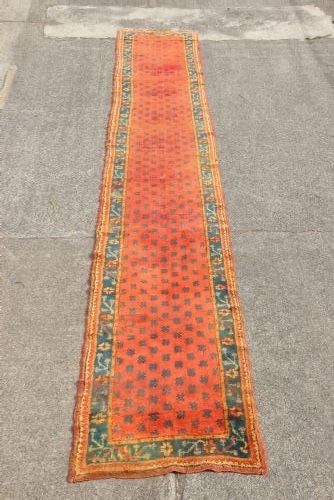
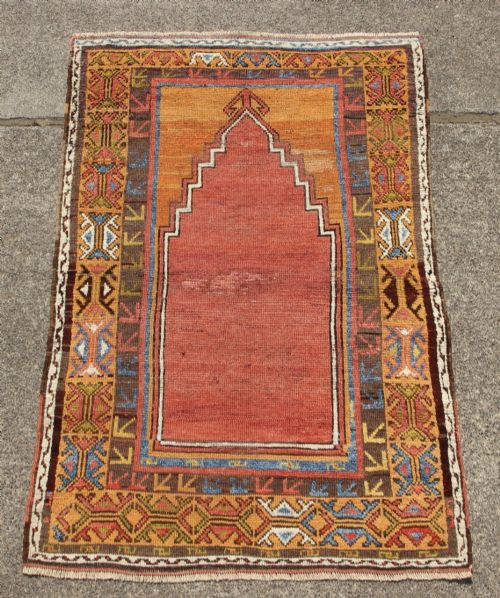
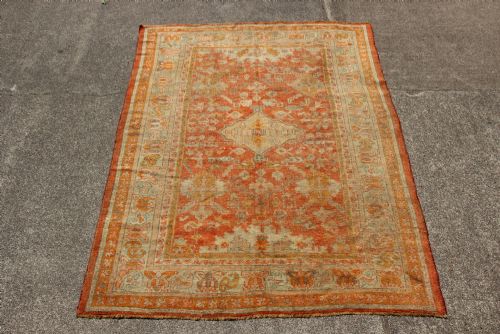
A terracotta anatolian rug brings centuries of weaving traditions from Western Turkey into a modern space. These floor coverings appear in various formats, ranging from large carpets and long runners down to compact mats and square room accents. Buyers encounter formats designed for specific spatial needs, including prayer rugs, village pieces, and scatter formats.
The selections span distinct historical periods, primarily originating across the nineteenth and early twentieth centuries. Specific regional groups appear frequently, notably Oushak, Konya, Milas, Ghiordes, Kula, and Melas productions. These pieces reflect the distinct design vocabularies of regional weaving centres across Anatolia.
Materials and construction methods
Traditional examples rely heavily on natural animal fibres, utilising hand-spun wool for durability and structural integrity. Cotton frequently serves as the foundational warp and weft base for many carpets, providing stability alongside wool pile. Certain later or specialised pieces incorporate art silk or mercerised cotton to introduce surface sheen.
Weavers knot the fibres by hand onto foundational warps, creating dense structural piles that withstand generation after generation of domestic use. Flatwoven kelim techniques also appear, producing lighter textile formats without a raised pile. Natural dye sources historically contributed the terracotta tones, soft blues, and muted neutrals seen across the regional inventory.
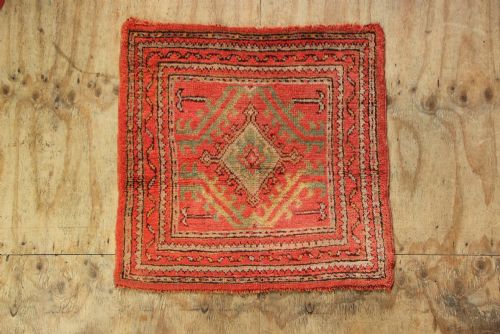
Several entries include functional yastics, which began life as stuffed cushions for leaning against Ottoman divans before finding new life as small decorative mats.
Determining quality in regional textiles
Quality rests upon knot density, the precision of the drawing, and the integrity of the remaining pile. A finer knot count permits greater intricacy in floral or geometric motifs, allowing medallions and borders to resolve with sharp definition. Even when pieces show heavy wear or fading, the structural tightness of the foundation dictates long-term stability.
The handling of colour chemistry and wool quality further divides standard production from exceptional examples. Lustrous, high-grade wool absorbs dyes evenly and ages with a rich patina rather than dulling flatly. Preserved original edge finishes and balanced proportions elevate a textile from a simple floor covering to a collectable example of tribal artistry.
The Terracotta Anatolian Rug Glossary
- Oushak
- A major carpet-producing town in western Anatolia known for larger formats, looser geometric or floral designs, and soft palettes. These carpets often utilise oversized motifs.
- Prayer rug
- A specific format featuring a mihrab or arch design at one end, historically oriented toward Mecca during daily prayers. These rugs usually measure in smaller, portable dimensions.
- Kelim
- A flatwoven textile produced without a pile by tightly interweaving warp and weft strands. These function as lightweight rugs or decorative cushion covers.
- Yastic
- A small, traditional Turkish cushion face or small pillow rug traditionally used for divan seating. They display compact versions of regional field patterns.
- Warp
- The stationary vertical threads stretched on a loom that form the skeletal foundation of a rug. Weft threads pass horizontally through these warps to secure the knots.
Terracotta Anatolian Rug: Frequently Asked Questions
How do I clean an old rug?
Professional specialist cleaning remains essential for fragile antique wool and cotton textiles. Regular gentle suction without a rotating brush helps remove embedded dust.
Water saturation or standard household detergents risk bleeding natural dyes and weakening aged foundations. Specialist conservation cleaners assess the dye stability before undertaking any moisture treatment.
Are these rugs suitable for hallways?
Long runner formats function effectively in high-traffic corridors when paired with a breathable underlay. The sturdy wool construction absorbs footfall while protecting delicate hallway floors.
Choosing appropriate sizing ensures doors clear the piled surface without catching. Heavier traffic areas benefit from regular rotation to distribute wear evenly.
How do I identify an Oushak?
Oushak pieces typically display larger-scale floral sprays, star medallions, and a distinctive softer palette featuring terracotta, faded reds, and pale blues. The weave is often slightly looser and coarser than fine Persian counterparts.
Using lustrous, hand-spun wool gives the pile an open, tactile quality. These characteristics distinguish Western Anatolian workshop production from village weaving.
Can I place furniture on them?
Balanced furniture placement works well provided the weight rests evenly across flat surfaces. Spreading the load prevents excessive local crushing of the hand-knotted pile.
Using quality rug pads prevents slipping and cushions the foundation against hard flooring. Shifting furniture slightly every few months prevents permanent indentation.
What causes faded areas?
Decades of exposure to natural sunlight account for most historical lightening across the wool surface. Natural plant-based dyes mellow gradually over generations rather than fading uniformly.
This softening of tone is widely accepted as part of an antique textile's character. Consistent room lighting helps maintain even patination across exposed expanses.