


Teardrop Pendant Light
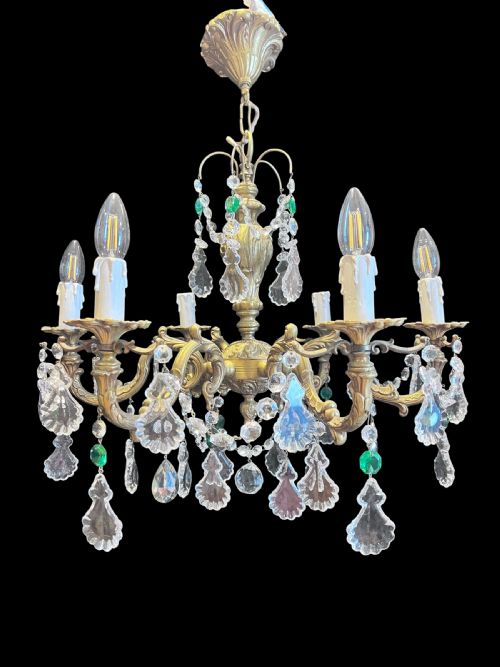
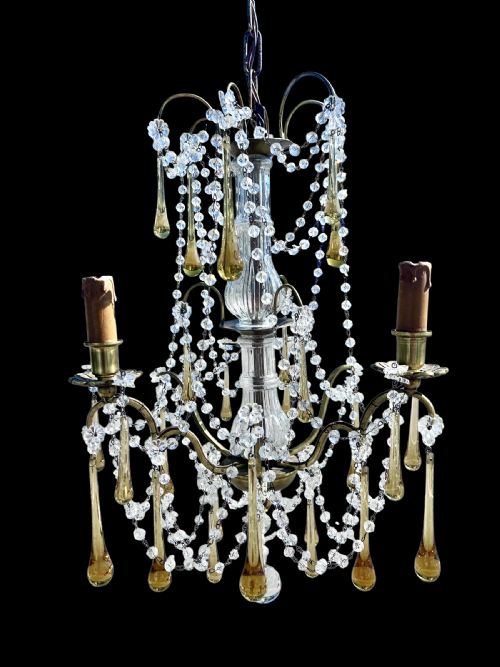
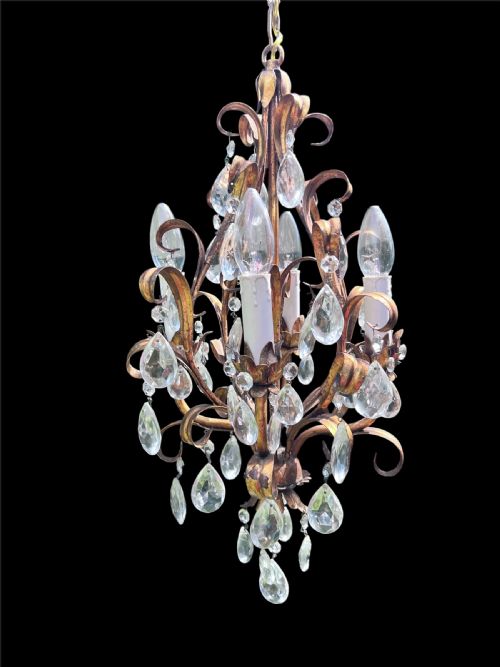
These teardrop pendant light examples hang with distinct glass and crystal shapes, offering both period charm and atmospheric illumination.
Teardrop Pendant Light
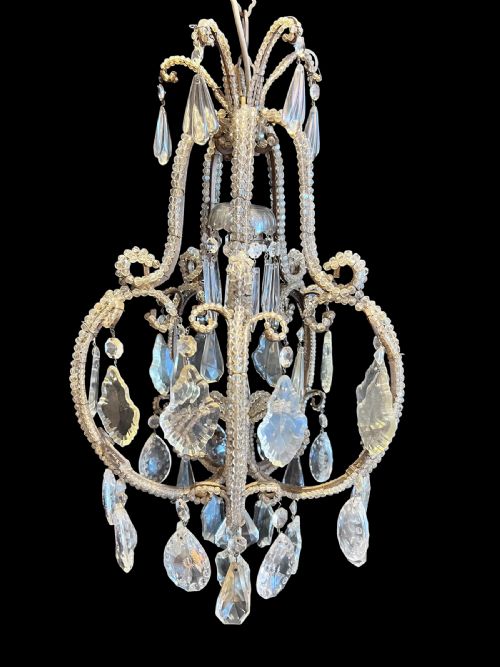
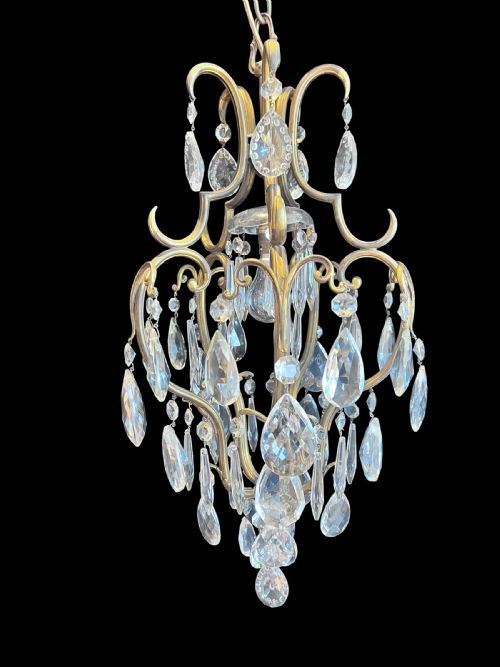
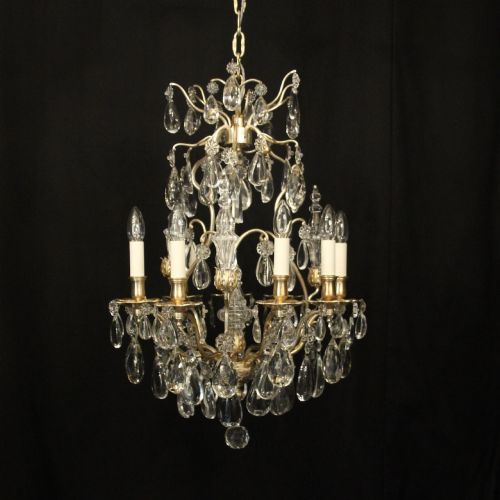
A teardrop pendant light brings together hanging illumination and distinctive drop-shaped crystal or glass components, drawing heavily on early twentieth century forms. Buyers searching for a teardrop pendant light will encounter pieces primarily from the Edwardian era and the 1920s and 1930s, alongside nineteenth century examples.
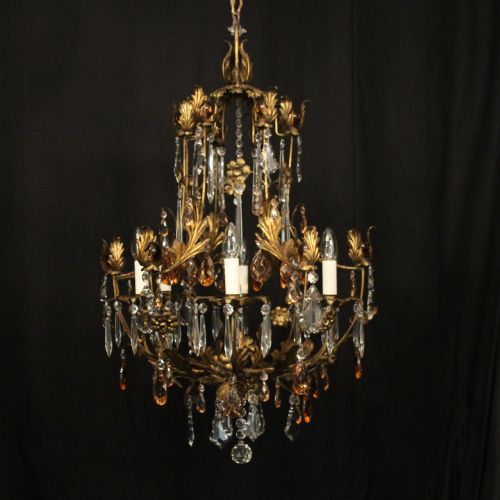
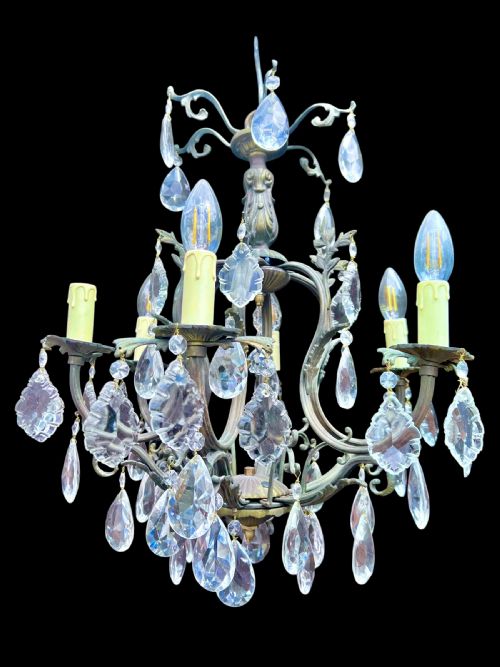
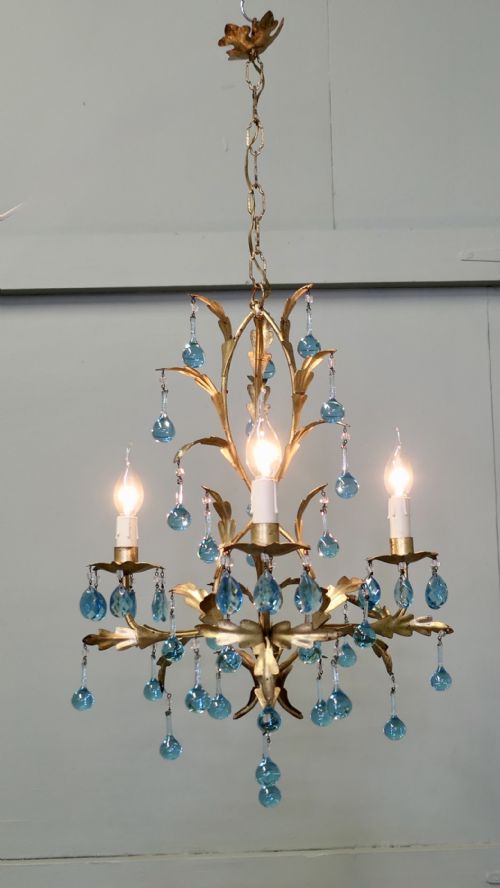
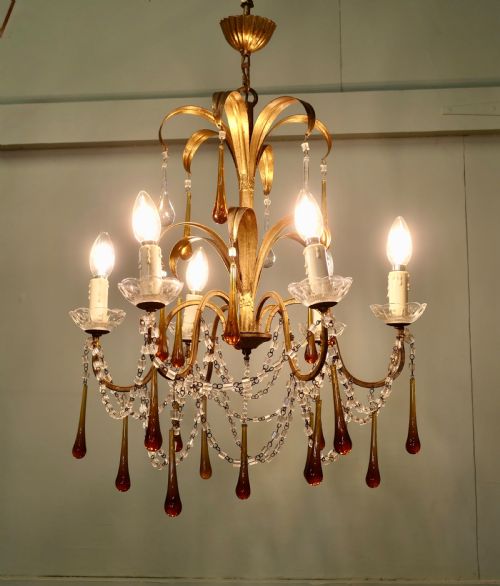
The selection on this page leans toward multi-light chandeliers, hanging lanterns, and tiered lampshades rather than single-bulb pendants, reflecting how period makers configured these hanging fixtures. Materials span brass, wrought iron, and gilt metal, paired with clear, amber, and coloured glass.
Origin points cluster tightly around French and Italian workshops, bringing distinct regional interpretations of rococo revival, chateau, and traditional styles to the hanging light format.
Materials and construction methods
Makers constructed frames from robust metals including brass, bronze, wrought iron, and gilt metal, providing structural support for multiple candle arms and hanging tiers. These metal armatures frequently received gilded or painted finishes, such as toleware treatments.
Glass and crystal elements were hand-cut or moulded into distinct pendant forms, then wired or pinned directly to the metal frames using metal loops. Coloured and amber crystals appear alongside standard clear glass drops to diffuse light across the room.
Listings feature brass, bronze, wrought iron, and crystal, spanning the Edwardian era through the 1930s.
Judging the quality of hanging lights
Quality rests significantly on the heft and complexity of the metal frame, moving from simple iron branches up to elaborate gilded bronze and cast brass structures with multiple tiers. Heavier castings and detailed leaf or grape decorations indicate superior workshop output.
The character and cut of the glass drops also divide the standard examples from the finest pieces. High quality fixtures utilise heavy crystal or coloured glass components that catch and refract light cleanly, secured securely to the primary frame.
La Maison Bagues
The Teardrop Pendant Light Glossary
- Toleware
- Painted metalware, often utilised on French frames to add colour and decorative detail. This technique appears frequently on period chandeliers.
- Crystal
- High clarity glass containing lead oxide, cut and polished to refract light intensely. These pieces hang from frames to create sparkle.
- Cage chandelier
- A specific frame design where metal straps enclose the internal lighting points and create a rounded silhouette. Examples date from the nineteenth century.
- Drop chandelier
- A lighting fixture defined by numerous hanging glass or crystal pendants suspended from the arms or base. These dominate the early twentieth century listings.
- Gilded bronze
- Bronze metal treated with a thin layer of gold leaf or gold paint to give a rich metallic sheen. This material forms substantial frame structures.
Teardrop Pendant Light: Frequently Asked Questions
How do I hang a heavy antique chandelier?
Hanging a heavy fixture requires securing the primary weight directly into ceiling joists or structural timber using a rated hook and junction box. Standard plaster ceilings cannot support the substantial bronze and crystal frames found in period pieces.
Professional electrical installation ensures the internal wiring safely handles the weight and voltage requirements of multiple bulb branches.
What periods do these pendant lights represent?
The listings span from the nineteenth century through the Edwardian period and into the 1920s and 1930s. Most examples date from the early twentieth century.
French and Italian designs from these decades heavily influence the overall aesthetic, utilising traditional and revival styles.
How should I clean crystal pendants?
Cleaning involves removing individual glass and crystal drops where possible, or wiping them carefully while attached to the frame. Using a mild solution of warm water and appropriate cleaner prevents damage to the metal finishes.
Avoiding harsh abrasives protects both the gilded surfaces on the brass frames and the polished edges of the glass drops.
Are these lights electrified for modern use?
Many period fixtures have been adapted for modern electrical standards while retaining their original frames and crystal drops. Checking the wiring configuration upon acquisition ensures safe operation in contemporary spaces.
Some pieces maintain earlier socket styles which may require updating by a qualified professional.