



Teak Armoire
A teak armoire brings substantial storage and deep timber grain to a room, drawing on traditions of Indian and colonial cabinet-making.
Teak Armoire
A teak armoire encompasses substantial storage pieces and cupboards originating from Indian and colonial workshops. When searching for a teak armoire, buyers encounter heavy timber storage cabinets, tall wardrobes, and almirahs.
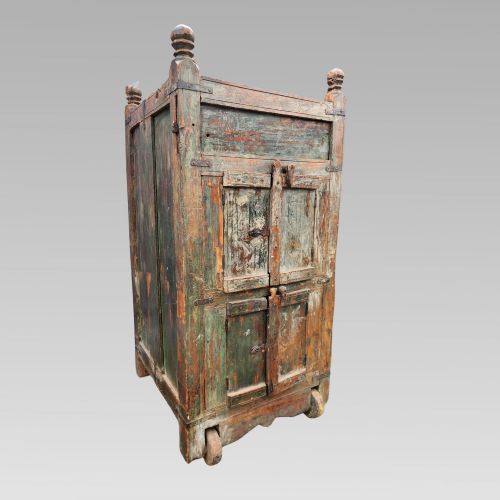
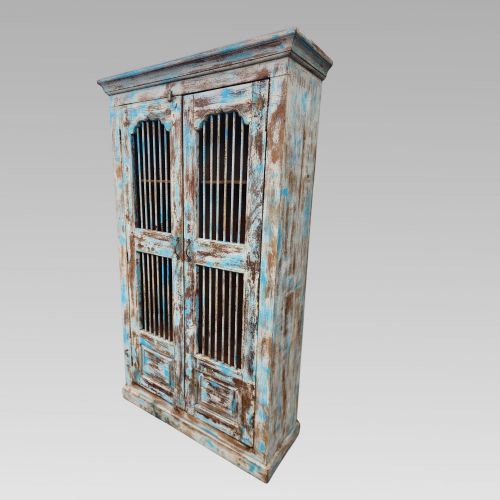
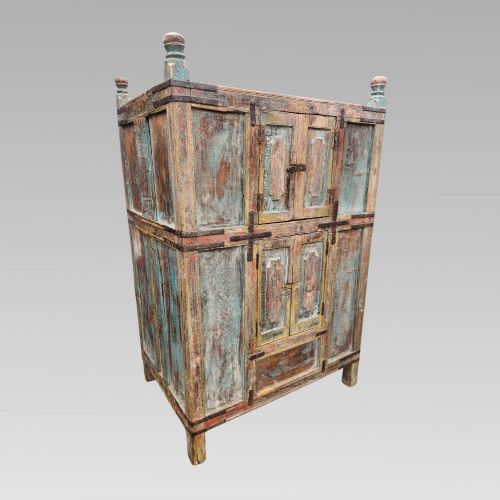
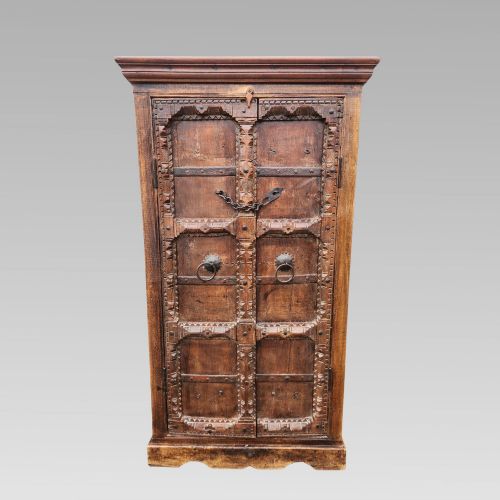
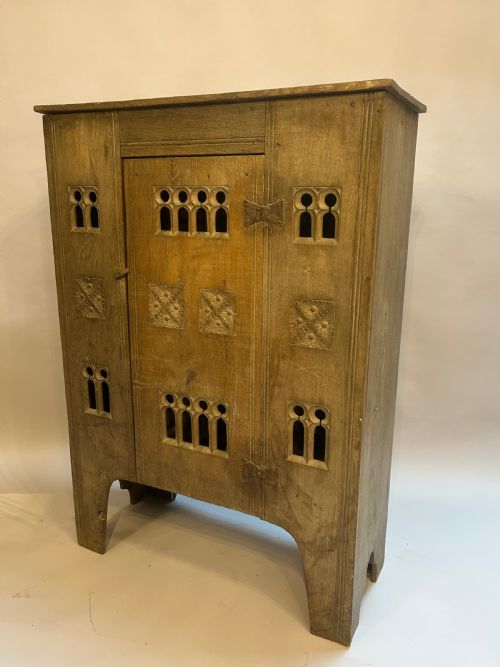
The pieces seen here span the nineteenth century, nineteen hundred, and nineteen thirty, taking forms such as dowry chests, shelved cupboards, and multi-drawer cabinets. Traditional Indian, Anglo-Indian, rustic Indian, and Asian colonial styles shape these designs.
Most items on this page utilise heavy hardwood construction with deep cultural roots. These storage pieces function as prominent statement items within domestic spaces.
How they were made
Construction relies upon dense teak and reclaimed teak timbers, offering natural resilience and deep grain patterns. Workshops shape these hardwoods into sturdy carcasses designed to hold heavy domestic loads.
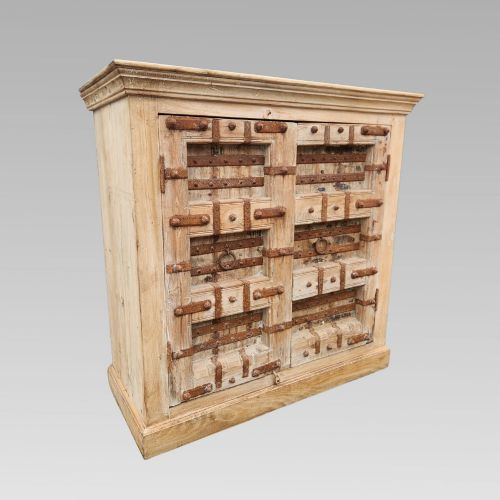
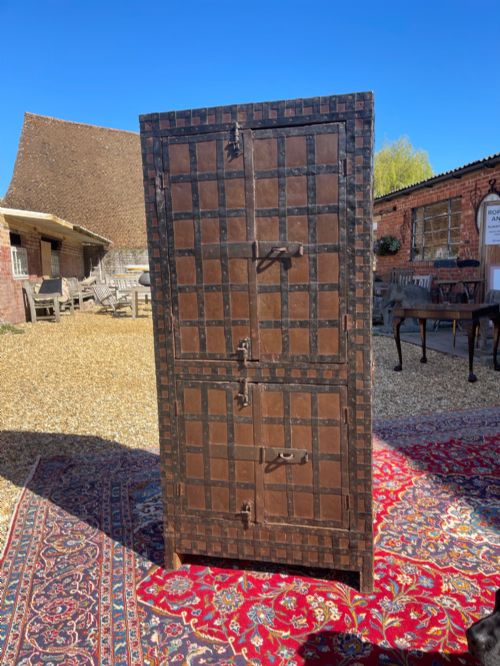
Makers incorporate iron and brass for structural reinforcement, hinges, and bindings. Painted finishes and glass elements also appear on select storage cupboards and cabinets, adding surface texture and visual contrast.
Teak Armoire Retail Price Guide 2026
Typical asking prices for teak armoire among the pieces listed under this phrase on Sellingantiques today, from the lower quarter to the upper quarter. They describe what is for sale here now, not the wider market.
Listings span periods from the nineteenth century up to nineteen thirty, focusing primarily on Indian and colonial workshop traditions.
What varies in quality
Quality differences emerge in the selection and assembly of the timber. Dense, well-figured teak with integrated iron or brass fittings represents superior cabinet-making.
Structural complexity sets pieces apart, ranging from simple shelved cupboards to intricate configurations featuring multiple drawers or sliding doors.
The Teak Armoire Glossary
- Almirah
- A freestanding cupboard or wardrobe, commonly found in Indian domestic architecture. This term describes tall storage cabinets used for clothing and household goods.
- Damchiya
- A traditional low storage chest or cupboard from India, often associated with dowry furnishings. These pieces feature enclosed compartments for valuables.
- Anglo-Indian Style
- Design merging British structural requirements with Indian craftsmanship and materials. This aesthetic combines European cabinet forms with local timber traditions.
- Reclaimed Teak
- Salvaged timber harvested from older structures and repurposed for new furniture. This material displays patination and weathering acquired over decades of prior use.
Teak Armoire: Frequently Asked Questions
What is an almirah?
An almirah functions as a tall storage cupboard or wardrobe. These pieces provide deep internal space for garments and household items.
Originating in Indian traditions, they stand as substantial focal points in a room.
How do I use a teak armoire?
A teak armoire serves as a primary storage wardrobe or linen cupboard. Internal shelving and hanging space accommodate everyday organisation.
Their robust construction makes them suitable for heavy daily use in bedrooms or living areas.
What periods do these cupboards come from?
The available selection spans the nineteenth century, nineteen hundred, and nineteen thirty. Each era reflects distinct colonial and regional Indian design influences.
Construction methods shift subtly across these periods while retaining heavy hardwood traditions.
What materials are used?
Construction primarily utilises teak and reclaimed teak timbers. Metal components in iron and brass provide structural reinforcement and hardware.
Selected examples incorporate painted surfaces and glass panels alongside the core hardwood structure.