







Taxidermy Decor
Taxidermy decor brings the natural world indoors, offering striking animal specimens, horns and mounts that shape a bold, historic interior.
Taxidermy Decor
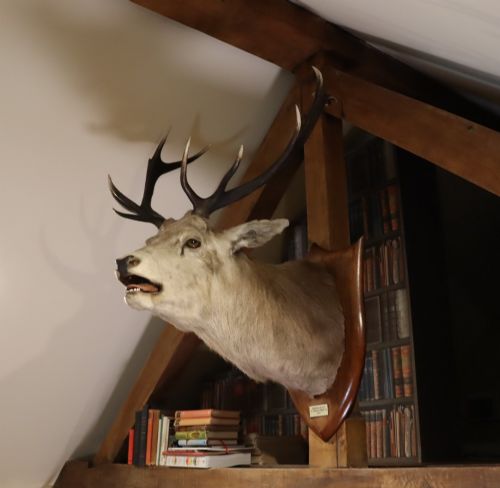
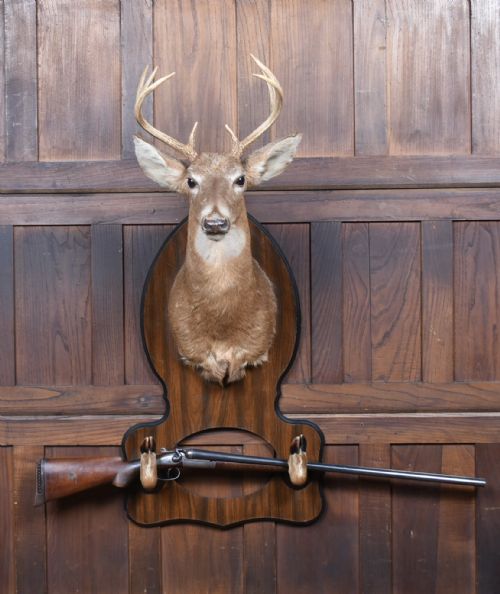
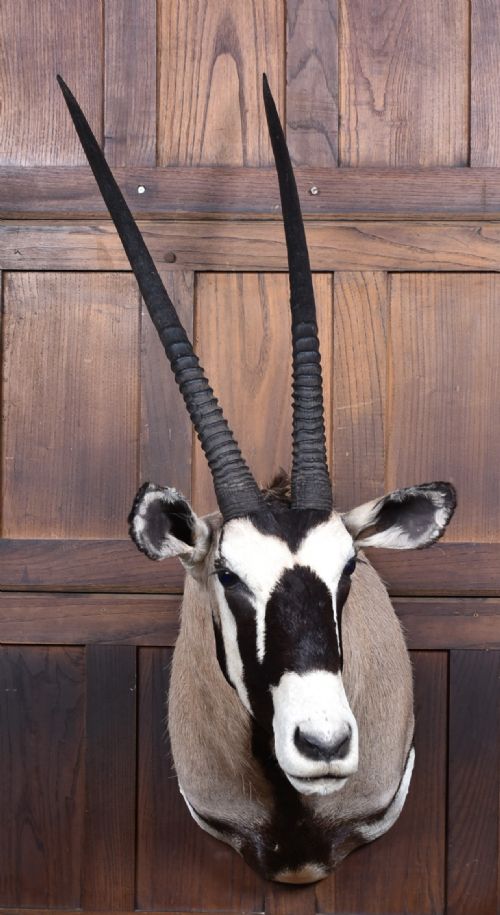
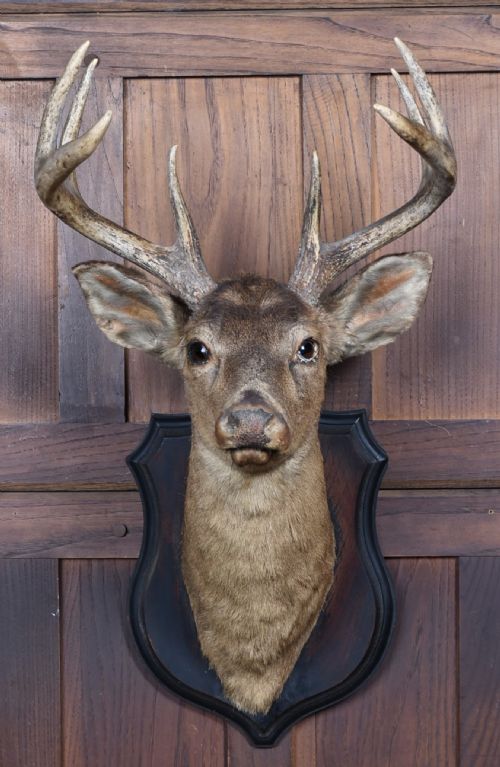
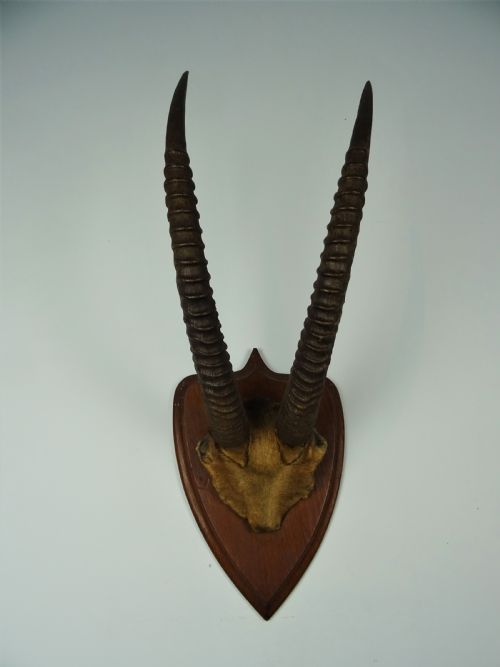
Taxidermy decor comprises preserved animal specimens, mounted trophies, antlers, horns and natural history curiosities designed for interior display. When exploring taxidermy decor, buyers encounter everything from grand stags' heads and antelope trophies to framed bird specimens and horn arrangements.
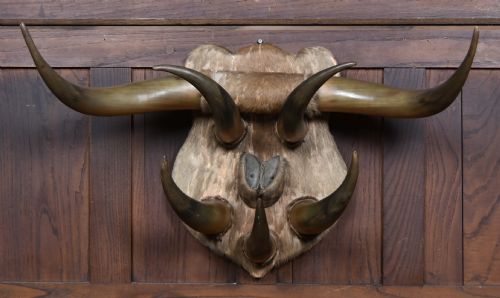
The pieces span the Victorian, Edwardian and early twentieth-century eras, reflecting the aesthetics of British country houses and Highland lodges. Specimens such as red deer, springbuck, gemsbok and Eurasian jays dominate the offerings, often presented on carved wooden shields or inside glass display cases.
Forms range from wall-mounted animal heads and horned skulls to desktop inkwells fashioned from pony hooves and framed peacock feathers. These items capture a distinct nineteenth and early twentieth-century fascination with natural history and field sports.
Materials and Craftsmanship
Makers utilised taxidermy hides, bone, horn, antler and wood, combining natural animal elements with carved oak or pine shields. Preserved specimens were mounted over shaped armatures, while horns and hooves were frequently polished and fitted with metal mounts for desk use.
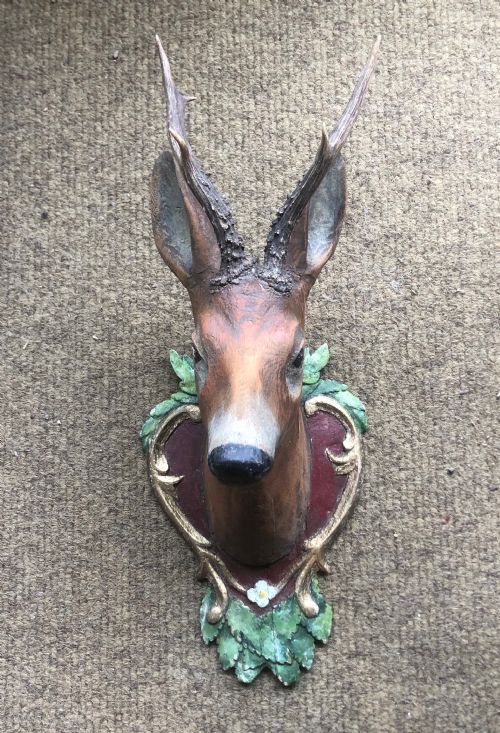
Display pieces often incorporated glass enclosures to protect delicate avian specimens, pairing taxidermy mounts with timber cabinetry and painted folk art. Leather models of animals from the Arts and Crafts period utilised stitched hides over rigid internal structures to achieve lifelike forms.
Taxidermy Decor Retail Price Guide 2026
Typical asking prices for taxidermy decor among the pieces listed under this phrase on Sellingantiques today, from the lower quarter to the upper quarter. They describe what is for sale here now, not the wider market.
A pony hoof repurposed as a country house inkwell proves that nineteenth-century desks demanded a literal touch of the stable.
Factors of Quality
The preservation state of the hide, feathers and horns dictates the longevity and visual impact of the piece. Original mounting boards, intact glass display cases and documented provenance elevate the standing of a specimen within historical natural history collections.
Peter Spicer & Sons·Edward Gerrard & Sons
The Taxidermy Decor Glossary
- Taxidermy mount
- The preserved skin of an animal stretched and mounted over a lifelike form. These mounts serve as the primary focal points in natural history displays.
- Curiosity cabinet
- A glazed display case used to house natural history specimens and oddities. Victorian examples protected delicate items like bird specimens from dust and damage.
- Trophy head
- An animal head and neck preserved and mounted for wall display. They frequently include antlers or horns and trace back to hunting traditions.
- Carapace
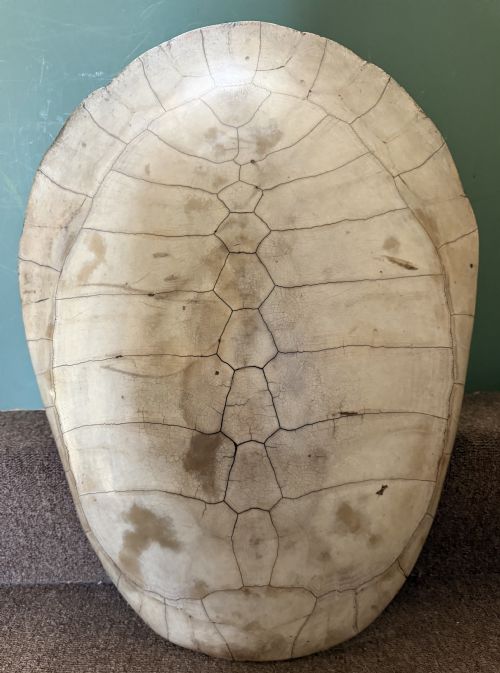
- The upper shell of a turtle or tortoise. Blond variants were occasionally polished and displayed as decorative interior objects.
- Folk art
- Utilitarian or decorative items created by self-trained makers using local materials. Swedish painted deer exemplify this regional decorative tradition.
Taxidermy Decor: Frequently Asked Questions
What is taxidermy decor?
Taxidermy decor encompasses preserved animal specimens, horns, antlers and natural history artefacts utilised as interior ornaments.
These objects include wall-mounted deer heads, horned trophies, bird display cases and desk accessories shaped from animal hooves.
How do I date an antique taxidermy piece?
Dating relies on mounting techniques, materials, taxidermy labels and the overall style associated with periods like the Victorian era or the 1920s.
Workshop tags affixed to the wooden shields or frames often provide specific dates or the names of prominent taxidermists.
Where were these pieces originally displayed?
Historic taxidermy was typically displayed in British country houses, hunting lodges, libraries and studies.
Owners mounted large stags and antelope trophies on walls above fireplaces or arranged natural history specimens inside glass cabinets.
How should I care for taxidermy mounts?
Preserved specimens require placement away from direct sunlight and high humidity to prevent the degradation of hides and feathers.
Gentle dusting with a soft brush maintains the surface without disturbing fragile hair or plumage.
What is a royal set of antlers?
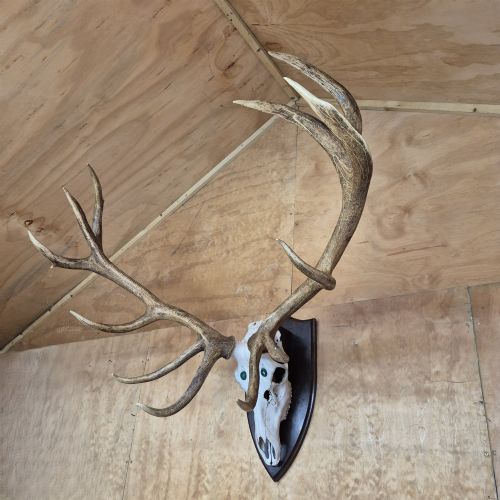
A royal set refers to red deer antlers featuring twelve distinct points on the crown.
These large specimens were prized trophies of the hunt and were typically mounted on carved wooden shields for wall display.