






Taxidermy Bird Specimen
These taxidermy bird specimen pieces bring Victorian and Edwardian natural history straight into the modern room with preserved plumage and period glass.
Taxidermy Bird Specimen
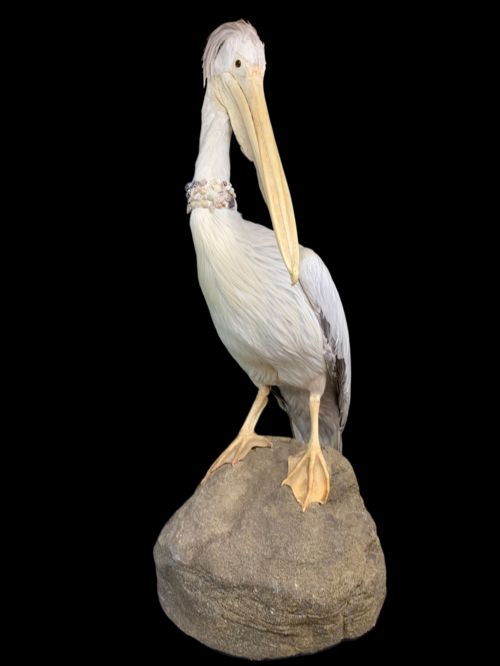
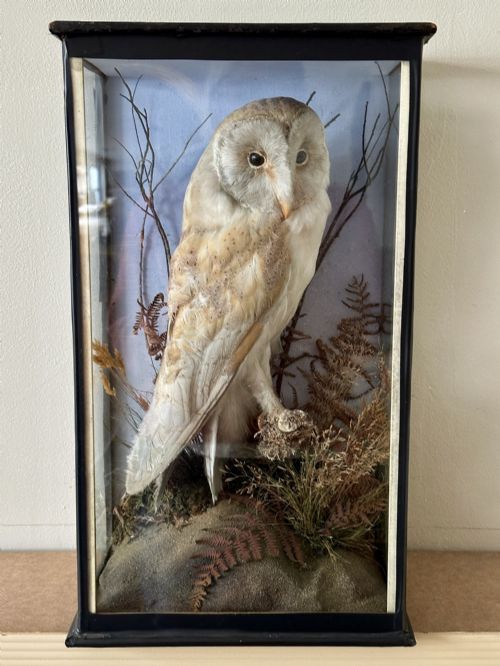
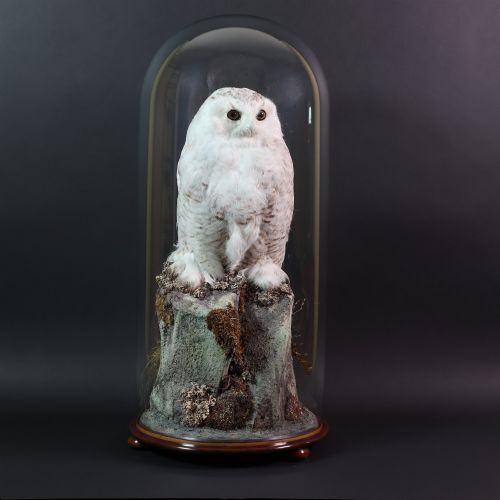
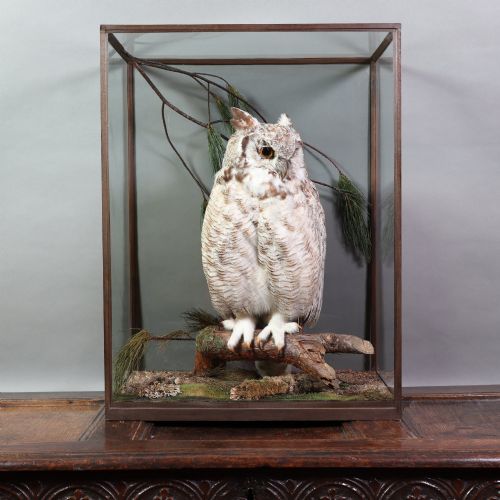
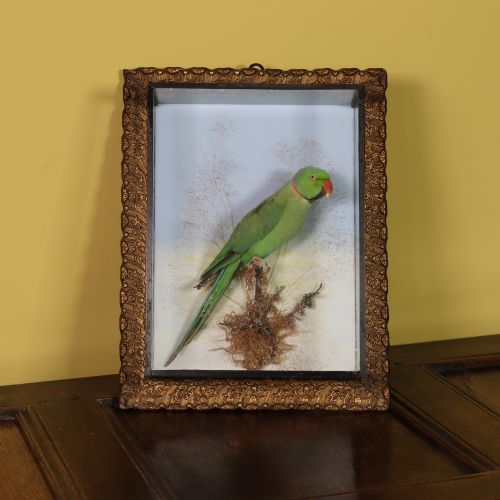
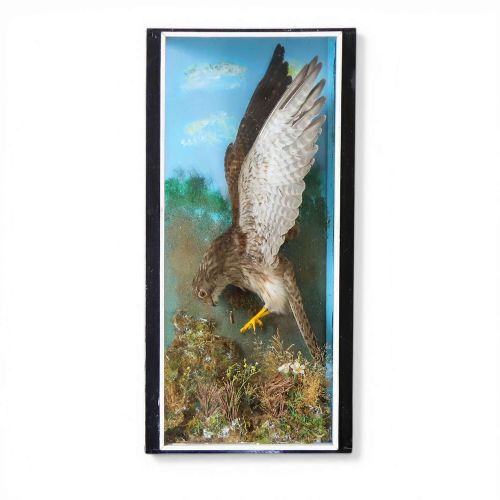
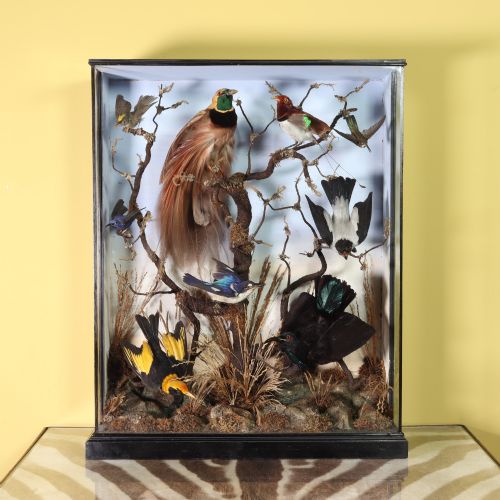
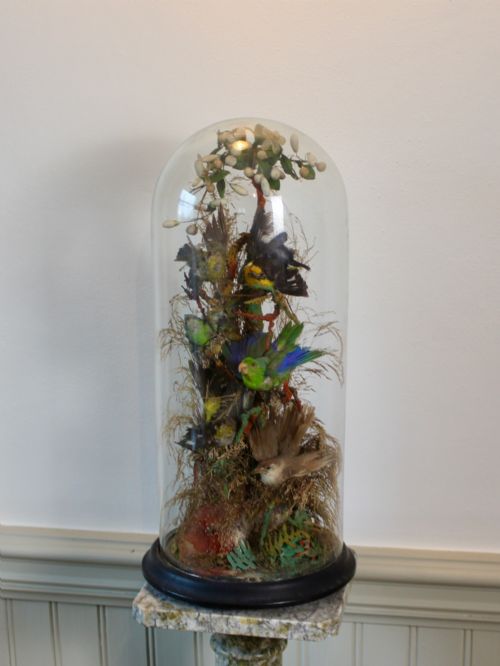
A taxidermy bird specimen represents the Victorian and Edwardian passion for natural history, displayed either as a single subject or within a composed diorama. Buyers seeking a taxidermy bird specimen encounter examples ranging from 1870 through to 1930, capturing everything from native owls and kestrels to exotic birds of paradise.
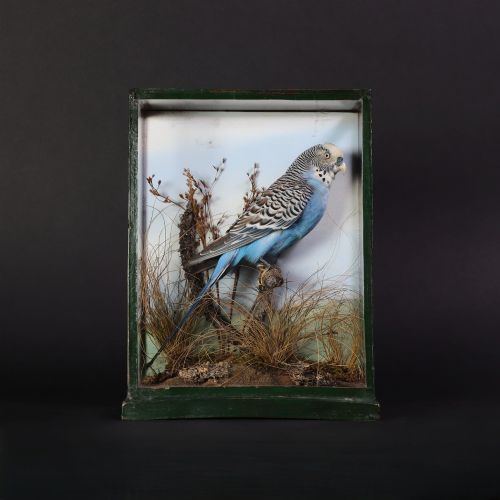
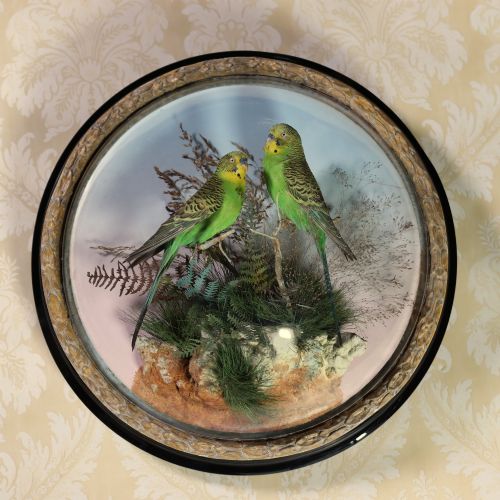
The physical format varies widely between simple wooden mounts, wall-hanging picture frame cases, and grand glass domes. Many pieces utilise natural elements like moss and painted backdrops to recreate the original habitat of the bird.
Originating predominantly from British workshops and regional taxidermists, these specimens function today as striking curiosity cabinet decor. The selection spans single species such as the heron or kingfisher alongside complex multi-bird compositions.
How they were made
The construction of a taxidermy bird specimen relies on preserving delicate feathers and mounting the skin over an artificial armature shaped from wire and tow. Contemporary practitioners arranged the preserved specimen inside timber and glass enclosures, securing the subject upon natural branchwork.
Enclosures often feature painted paper backdrops depicting woodland or marshland scenes to add depth behind the mounted bird. Glass domes sit upon turned wooden bases, sealing the feathers away from dust and moisture to ensure long-term preservation.
Makers utilised moss, dried grasses, and twigs gathered from the countryside to build convincing groundwork beneath the feet of the subjects. Every component was painstakingly assembled by hand within workshop environments.
Taxidermy Bird Specimen Retail Price Guide 2026
Typical asking prices for taxidermy bird specimen among the pieces listed under this phrase on Sellingantiques today, from the lower quarter to the upper quarter. They describe what is for sale here now, not the wider market.
Some Victorian taxidermists arranged owls and parakeets into human-like domestic scenes, complete with tiny spectacles and miniature reading books.
What varies in quality
Quality in a taxidermy bird specimen rests upon the anatomical accuracy of the taxidermist and the preservation of the plumage. Master practitioners captured the alert posture and natural vitality of the living bird, whereas lesser work results in stiff or unnatural proportions.
The complexity and scale of the display case heavily influence the standing of a piece, particularly when housing multiple colourful specimens together. Original glass, well-preserved painted backgrounds, and signed maker details elevate the standing of the work significantly.
J Griffiths of Burford·Rowland Ward Ltd·William Bazeley & Sons·James Gardner·W.F. Homer London
The Taxidermy Bird Specimen Glossary
- Taxidermy dome
- A rounded glass cover mounted on a wooden base designed to protect delicate specimens from dust. These glass covers were popular throughout the Victorian period for displaying exotic birds.
- Diorama
- A three-dimensional scene featuring preserved specimens set against a painted background depicting their natural habitat. These compositions often include artificial foliage, moss, and painted skies.
- Curiosity cabinet
- A dedicated piece of furniture or display space used to house natural history specimens and oddities. Collectors arranged taxidermy alongside shells, minerals, and fossils.
- Preserved specimen
- An animal skin treated with chemical preservatives and mounted over an internal form. This technique halts decomposition and retains the visual form of the creature.
Taxidermy Bird Specimen: Frequently Asked Questions
Where should I display my specimen?
Place your taxidermy in a stable room away from direct sunlight and excessive humidity to prevent the plumage from fading or degrading. Natural light can bleach vibrant colours on exotic feathers over time.
Position cases on sturdy shelving or within display cabinets where temperature fluctuations remain minimal throughout the year.
Are these birds ethically sourced?
These historical pieces originate from the Victorian, Edwardian, and early twentieth-century periods when collecting natural history specimens was common practice. They reflect the scientific and decorative tastes of their respective eras.
Modern trade restrictions apply to contemporary animals, but antique specimens from the nineteenth and early twentieth centuries form a distinct historical category.
How do I date my taxidermy piece?
Examine the style of the wooden case, the construction of the glass, and any written labels pasted to the reverse or base. Handwritten trade labels often name the specific taxidermist and town.
Victorian pieces typically feature heavy timber frames and hand-blown glass, while later Edwardian examples introduce lighter oak mouldings and painted backdrops.