





Taxidermy Animal Mount
These taxidermy animal mount pieces bring the rugged atmosphere of the Victorian natural history tradition straight into a modern interior.
Taxidermy Animal Mount
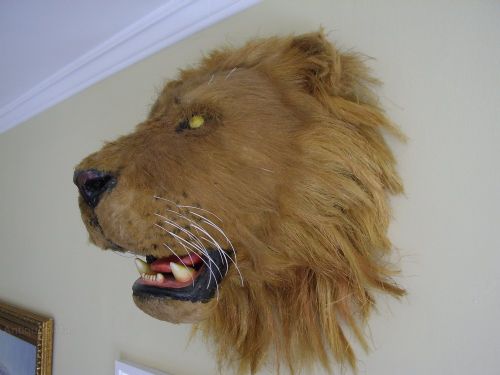
When you search for a taxidermy animal mount, you enter a world of historical natural history displays and hunting trophies. These items range from fierce mammalian mask trophies to sculptural horn displays and painted folk art carvings.
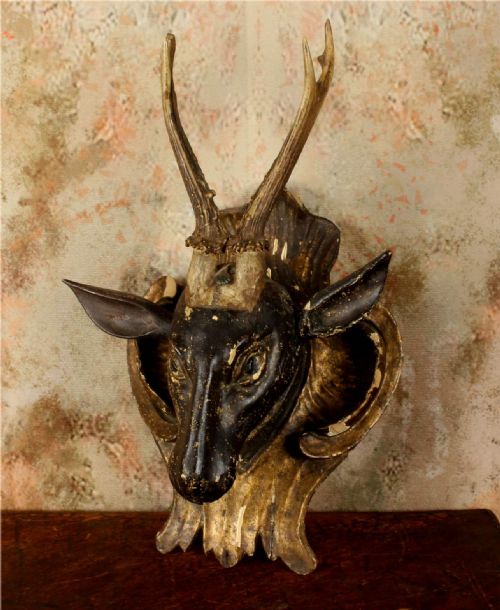
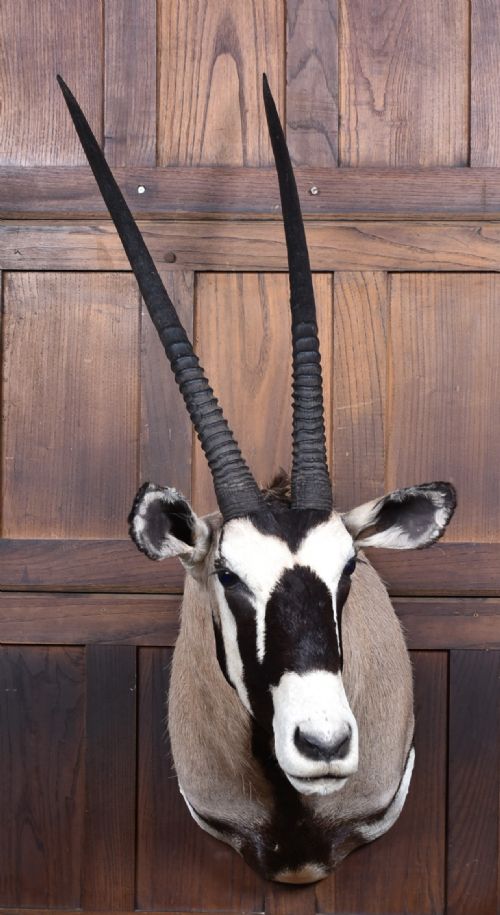
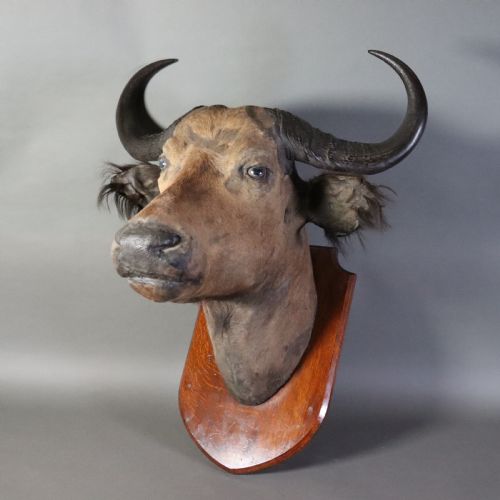
The pieces on this page lean heavily into Victorian and Edwardian aesthetic traditions, alongside select theatrical props and Scandinavian folk art. You will encounter everything from African large game trophies to domestic ram horns and carved wooden deer heads.
These objects served various historical roles, from Highland hunting lodge decorations to cabinet of curiosities centerpieces. Today, collectors use them to introduce texture, history and theatrical flair into domestic spaces.
How they were made
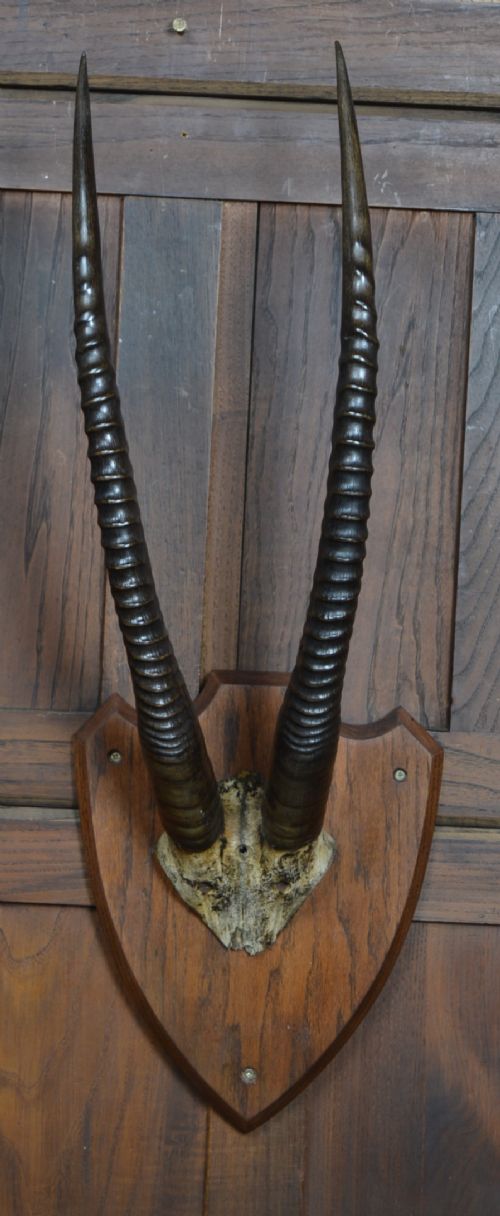
Taxidermy hide and horn form the primary organic materials of these pieces, shaped over internal armatures to preserve realistic anatomy. Master taxidermists mounted these hides onto solid wood shields and carved wooden supports for wall hanging or tabletop display.
Artisans utilised glass for lifelike eyes and paint to restore natural tones or decorate folk art wooden sculptures. Bone and antler are frequently integrated raw or carved, demonstrating traditional craftsmanship across the nineteenth and twentieth centuries.
Taxidermy Animal Mount Retail Price Guide 2026
Typical asking prices for taxidermy animal mount among the pieces listed under this phrase on Sellingantiques today, from the lower quarter to the upper quarter. They describe what is for sale here now, not the wider market.
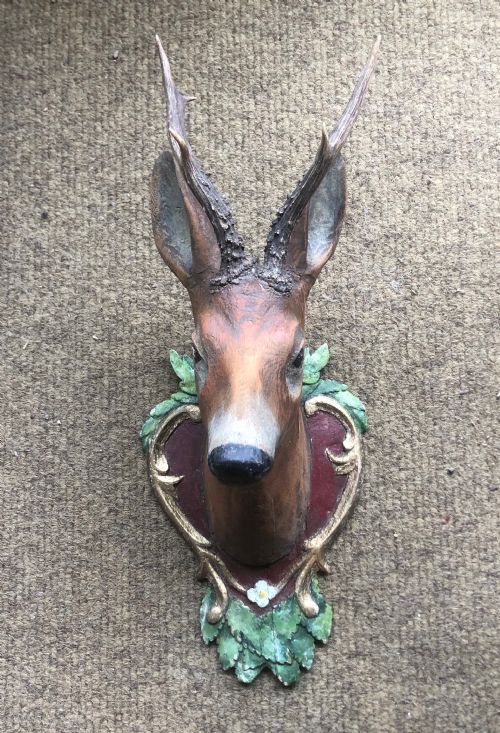
A Swedish deer carved from wood patiently wears painted spots, proving that even timber can be convinced it is a living creature.
What varies in quality
The anatomical accuracy and taxidermy preservation condition dictate the standing of a mount within its period. Exceptional examples retain supple hide, secure hair retention and convincing facial expressions that reflect the peak of Victorian natural history standards.
The supporting woodwork and mounting hardware also distinguish superior pieces, with bespoke wooden shields and branded maker provenance elevating the entire composition. Folk art variations depend instead on the charm of the hand-carved painted detail and character of the wood.
Peter Spicer & Sons·Edward Gerrard & Sons·Gerrard & Sons London
The Taxidermy Animal Mount Glossary
- Taxidermy Hide
- The preserved skin of an animal prepared and fitted over a form to imitate life. This material forms the durable exterior of mammalian mount trophies.
- Antler
- Bony outgrowths from the skull of deer family members that are shed and regrown annually. These are frequently mounted individually or attached to skull mounts.
- Mask
- A specific taxidermy preparation focusing on the head and neck of an animal, often mounted on a wooden shield for wall display.
- Folk Art
- Objects created by self-taught or traditional artisans outside academic traditions. In this context, it describes hand-carved wooden animal representations.
- Cabinet of Curiosities
- An eclectic collection of natural history specimens and artefacts assembled during the Victorian era. These collections laid the groundwork for modern museums.
Taxidermy Animal Mount: Frequently Asked Questions
Are these pieces from the Victorian era?
Many examples date from the Victorian and Edwardian periods, reflecting the era's fascination with natural history and exploration.
Other pieces include later twentieth-century theatrical props and nineteenth-century Scandinavian folk art carvings.
How do I clean taxidermy hide and horns?
Gentle dusting with a soft brush helps maintain the condition of taxidermy hide and hair without damaging fragile organic fibres.
Keep mounts away from direct sunlight and moisture to prevent the hide and painted wooden elements from fading or cracking.
What is the difference between horns and antlers?
Horns are permanent structures made of keratin surrounding bone that grow continuously throughout an animal's life.
Antlers are made entirely of bone and are typically shed and regrown every year by members of the deer family.