


Tan Leather Bound Book
These tan leather bound book examples bring tactile warmth and history to a shelf, spanning centuries of literature, binding craft, and decorative design.
Tan Leather Bound Book
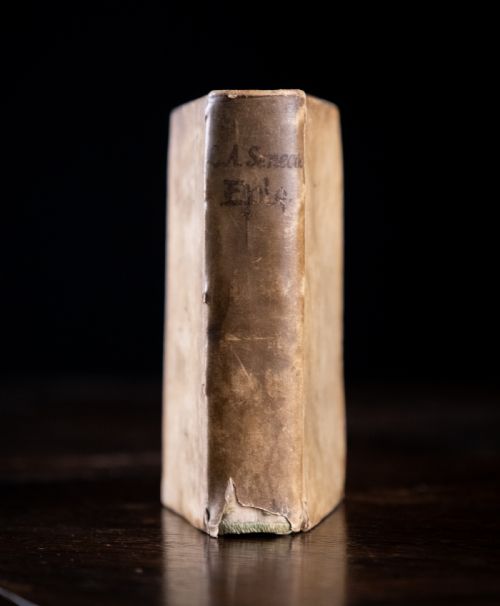
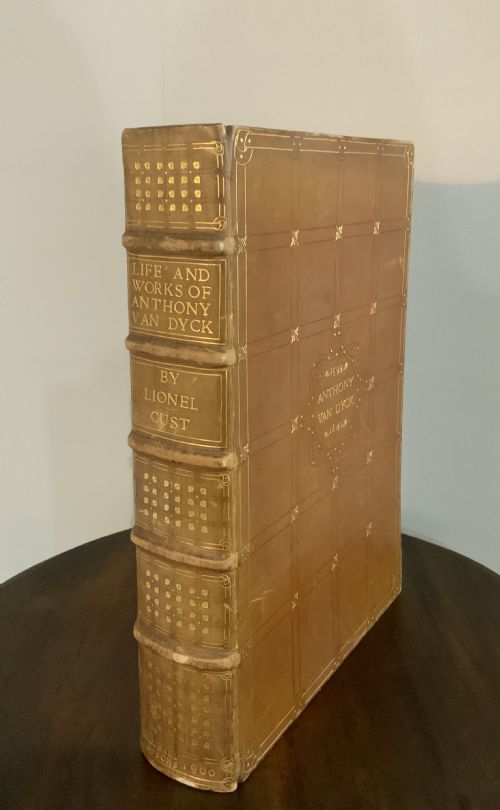
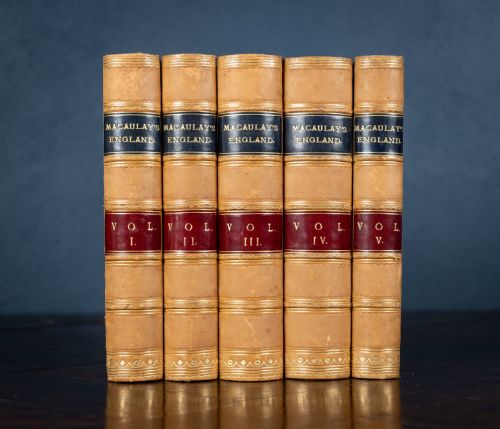
When you search for a tan leather bound book, you encounter everything from single seventeenth-century classical philosophy and nineteenth-century histories to multi-volume sets of novels and collected works. The selection ranges from individual volumes bearing rich tooling to extensive runs and uniform editions designed for domestic libraries.
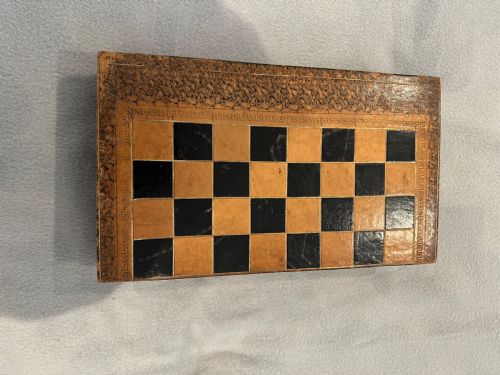
You will also find inventive Victorian decorative objects, such as desk pen and inkstands shaped like books, alongside faux book games boards. These pieces combine utilitarian reading matter with structural presence, formed from calfskin and paper.
Dating across the seventeenth, eighteenth, nineteenth, and early twentieth centuries, these volumes reflect the publishing tastes of the Victorian, Edwardian, and earlier eras. Whether purchased as a single historical text or as an assembled library set, they anchor a room with muted earthy tones and traditional typography.
How they were made
Binders constructed these volumes using leather, calfskin, and vellum over sturdy wooden or pasteboard cores, securing the paper text blocks with durable stitching. Many bindings incorporate gold leaf and gilt tooling to highlight raised bands and decorative spine panels.
Printers and binders employed manual typesetting on rag paper, often supplementing standard editions with French or English text, copperplate engravings, and bespoke covers. The resulting objects rely on the natural grain of calfskin leather to absorb handling and age gracefully.
Materials recorded across the inventory include paper, gold leaf, leather, calfskin, gilt, vellum, and wood.
What varies in quality
Quality rests in the crispness of the gilt tooling, the suppleness of the leather, and the uniformity of matching sets across multiple volumes. Bindings executed with careful attention to spine structure and legible typography retain their integrity through decades of use.
The distinction between standard reading copies and superior examples lies in the depth of the leather grain, the preservation of original gold leaf, and the completeness of multi-volume runs. Intact hinges and clean paper text blocks elevate the overall standard of any collection.
The Tan Leather Bound Book Glossary
- Calfskin
- A fine, smooth leather prepared from the hide of a calf, frequently utilised for superior bookbindings.
- Gilt tooled
- A decoration method pressing heated gold leaf into leather surfaces using engraved metal tools.
- Vellum
- A writing or binding material prepared from calf, kid, or lamb skin, valued for durability.
- Raised bands
- Horizontal ridges across a book spine formed by the underlying cords that secure the gatherings.
Tan Leather Bound Book: Frequently Asked Questions
How do I care for leather bound books?
Keep volumes away from direct sunlight and extreme humidity to prevent the leather from drying out and cracking.
Dust them gently with a dry cloth and allow adequate air circulation around your library shelves.
Are multi-volume sets complete?
Sets often comprise specific runs or numbered editions, such as collected novels or historical multi-volume works.
Check individual volume counts and publishing dates to understand the exact scope of the set.
What is the difference between calfskin and vellum?
Calfskin is a supple, tanned leather with a visible grain and soft texture suited to traditional bookbinding.
Vellum is an untanned, highly durable animal skin offering a smooth, cream-coloured surface often used for early texts.
How can I tell the age of a book?
Dating relies on title page publication dates, typography styles, paper texture, and the specific binding techniques of the period.
Printers often included explicit publication years within the front matter of nineteenth and twentieth-century editions.