

Tall Wooden Urn Stand
A tall wooden urn stand elevates display pieces with slender dignity, offering sturdy timber construction and refined historical character.
Tall Wooden Urn Stand
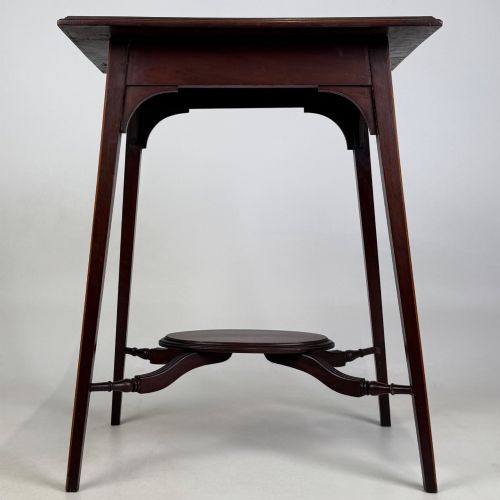
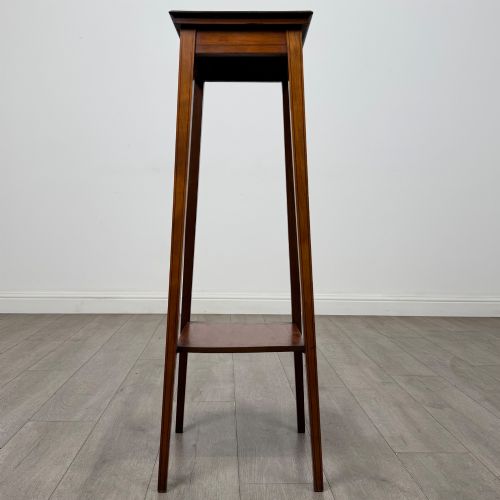
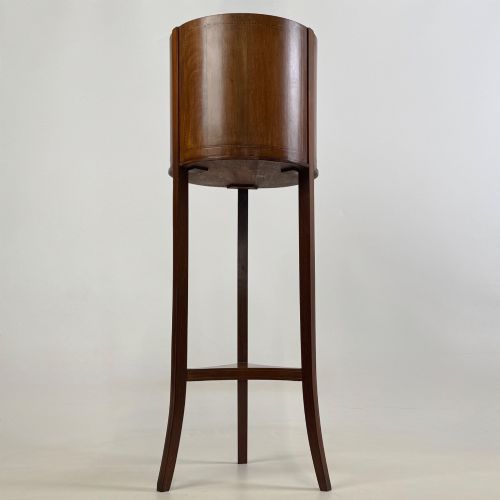
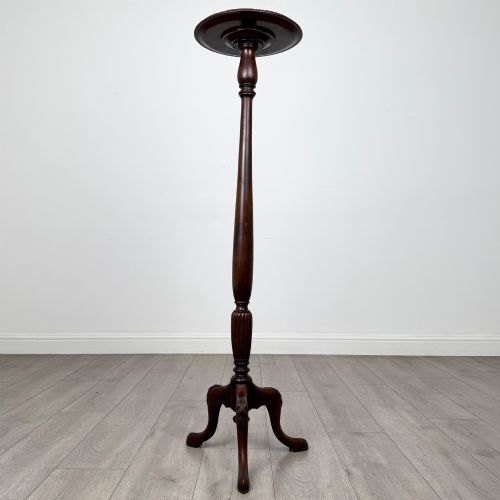
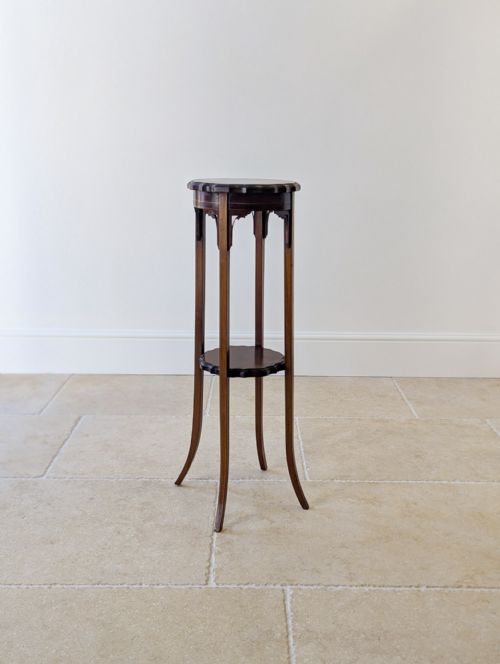
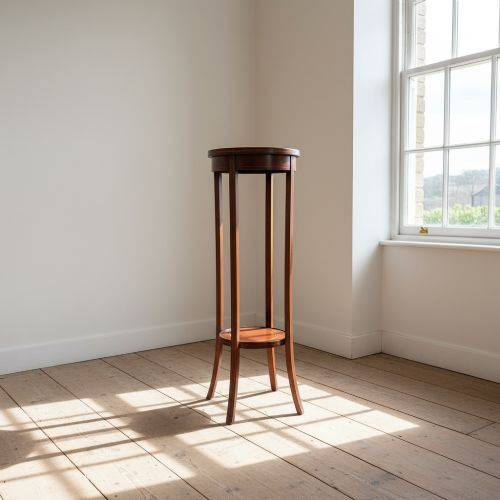
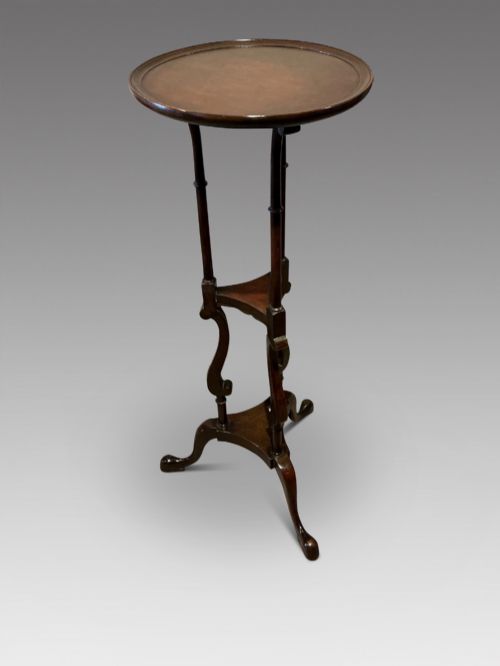
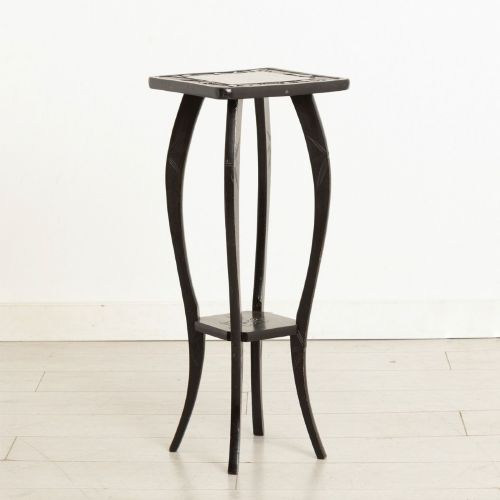
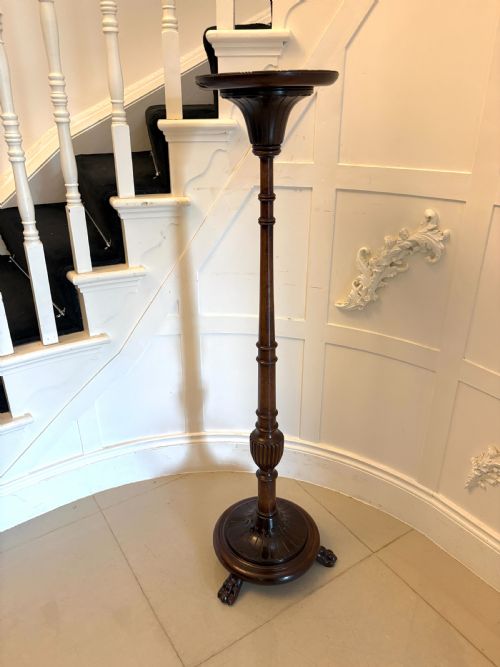
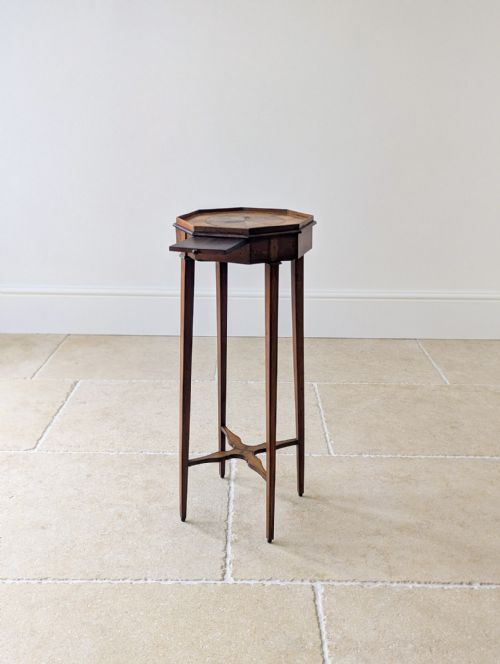
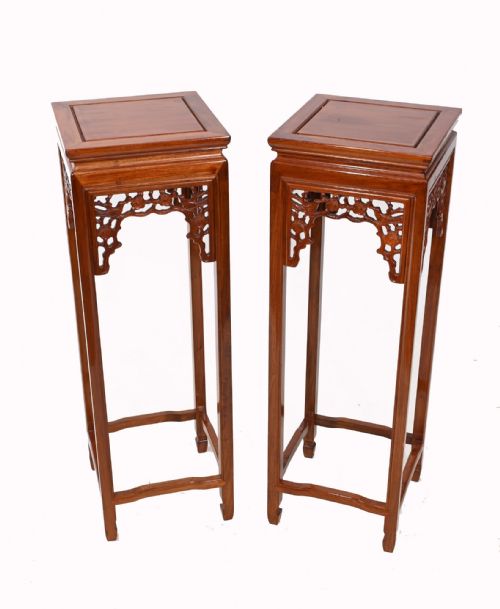
A tall wooden urn stand serves to elevate decorative vessels, plants, and classical ornaments within a room. When searching for a tall wooden urn stand, buyers encounter pieces spanning the Georgian, Victorian, and Edwardian periods, constructed in forms ranging from slender torcheres to sturdy pedestals and occasional tables.
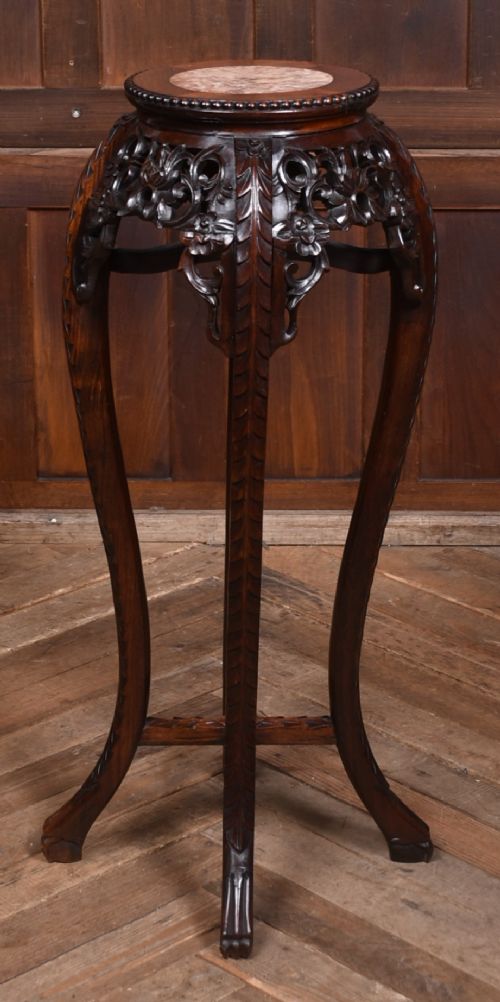
The versions most frequently met on this page include mahogany and walnut examples from the nineteenth and early twentieth centuries. Makers utilised diverse timber species, incorporating satinwood inlay and marble inserts to enhance the visual appeal of these vertical display furnishings.
Beyond standard plant and urn supports, the category encompasses related forms such as kettle stands and torchere columns. These objects demonstrate the shifting domestic tastes of British interiors across multiple stylistic revivals.
Distinctions in craftsmanship and design
The calibre of a piece rests upon the weight and selection of the timber, alongside the crispness of any hand-carved ornamentation. Superior examples display precise joinery in the column connections and stable, well-balanced bases that prevent tipping.
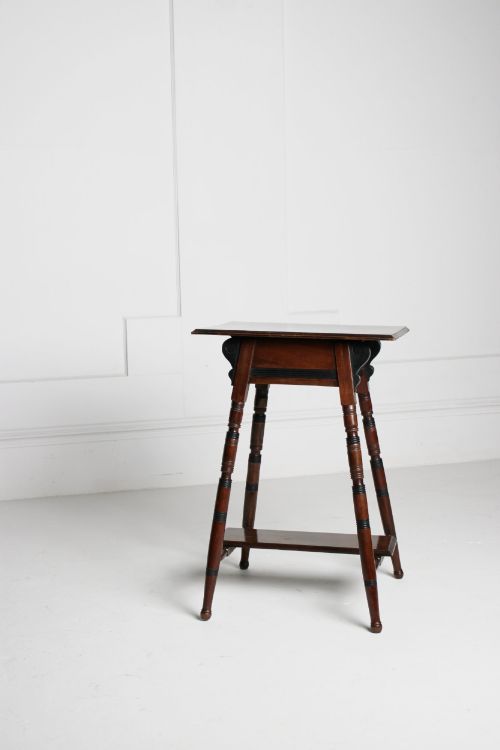
Subtleties in decorative execution, such as fine string inlay or neatly turned barley twist legs, separate standard utility pieces from finely finished parlour furnishings produced by notable retail houses.
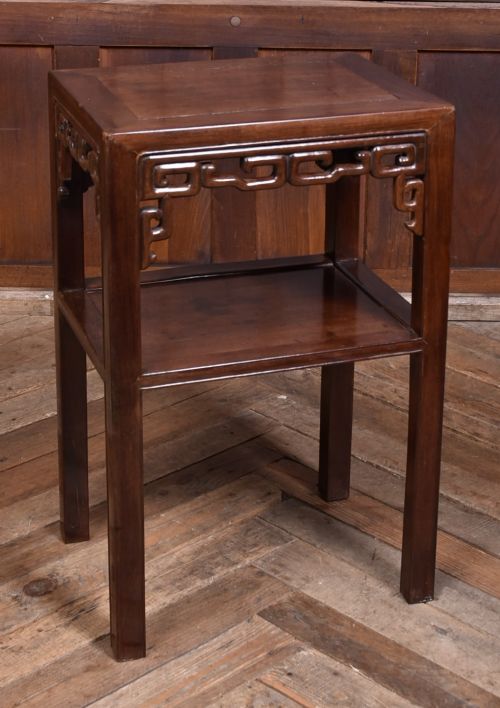
The listings show a prevalence of mahogany and walnut timber, alongside nineteenth-century Chinese hardwood and marble-topped plant stands.
Druce & Co London·Shoolbred·Liberty of London
The Tall Wooden Urn Stand Glossary
- Torchere
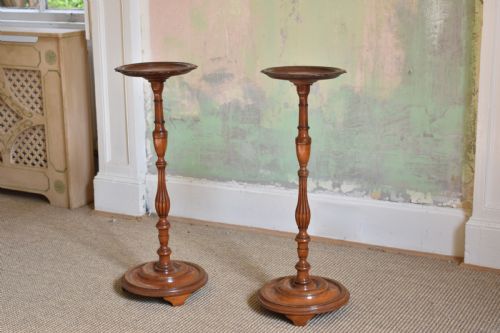
- A tall, slender ornamental stand designed to support a lamp, vase, or urn. These pieces typically feature a small circular top supported by a single carved column.
- Jardiniere
- A decorative pot or stand intended for holding plants and flowers. They often incorporate waterproof liners or durable marble inserts.
- Urn stand
- A specialised low or tall table designed specifically to hold a classical urn or heating vessel. Georgian examples often take octagonal or square forms.
- Barley twist
- A spiral turning technique applied to wooden table legs and support columns. This style gained particular popularity during the seventeenth and early twentieth centuries.
- Inlay
- A decorative technique where pieces of contrasting timber or shell are inserted into recesses within the primary wood surface. Satinwood is frequently utilised for this purpose on mahogany furniture.
Tall Wooden Urn Stand: Frequently Asked Questions
What were tall wooden urn stands used for?
These tall wooden urn stands functioned primarily to elevate decorative urns, heavy vases, and potted plants within grand reception rooms and domestic interiors. By raising the vessel, they drew the eye upward and protected fine furniture surfaces from moisture.
In period homes, they also served as supports for lighting devices such as oil lamps and candles before the widespread adoption of electricity. Their slender proportions allowed them to occupy corners and narrow wall spaces without cluttering the floor plan.
How do I style a tall wooden urn stand today?
A tall wooden urn stand works effectively in an empty hallway, a living room corner, or beside a fireplace to add vertical dimension to a room. Placing a trailing plant, a ceramic vessel, or a bronze sculpture upon the top surface creates an immediate focal point.
Because of their sturdy timber construction, they easily support heavier decorative objects while introducing natural warmth and historical texture to modern or traditional interiors.
How can I tell a Georgian stand from an Edwardian one?
Georgian stands, particularly those produced in the eighteenth century, tend to exhibit restrained classical proportions, dense mahogany timbers, and meticulous hand-carving. They reflect strict adherence to architectural orders and cabinetmaking traditions of the period.
Edwardian examples, manufactured around the turn of the twentieth century, often display lighter satinwood inlay, Sheraton revival influences, and slightly softer edge profiles. These later pieces embraced brighter decorative contrasts and decorative versatility.