


Tall Wood Pedestal
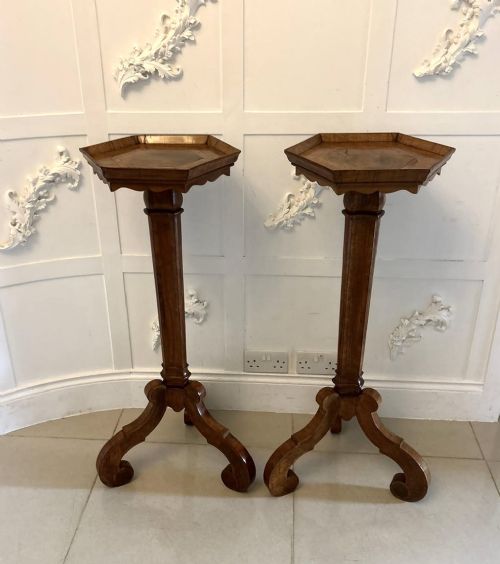
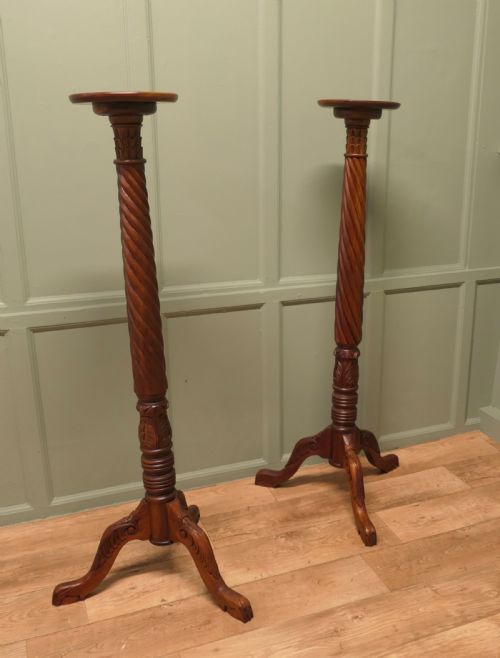
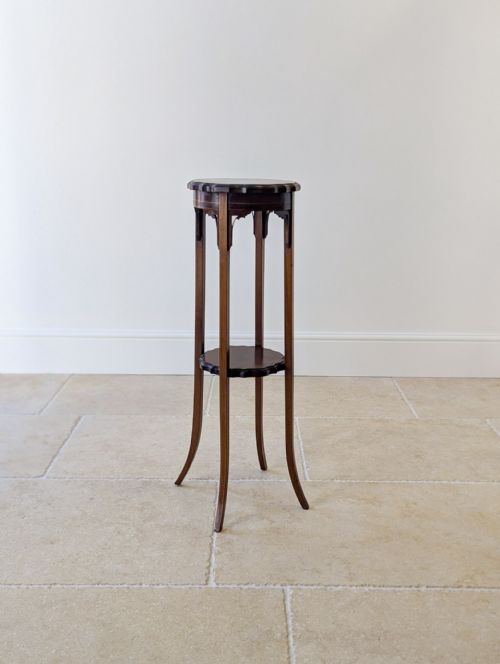
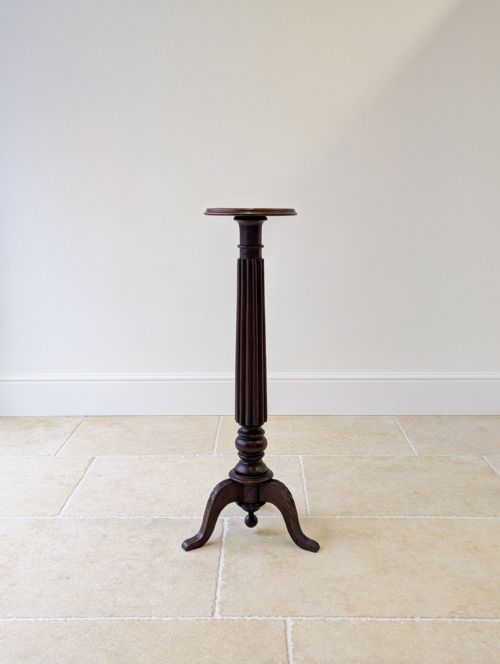
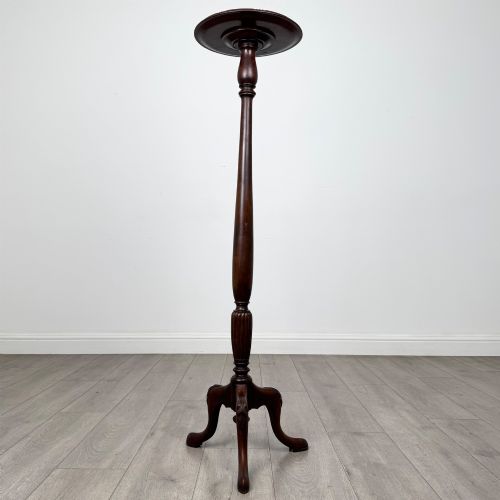
A tall wood pedestal elevates a vase or lamp, bringing vertical emphasis to a corner through slender turned columns and tripod bases.
Tall Wood Pedestal
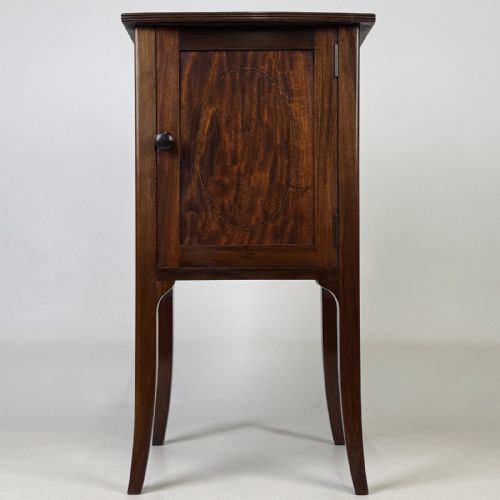
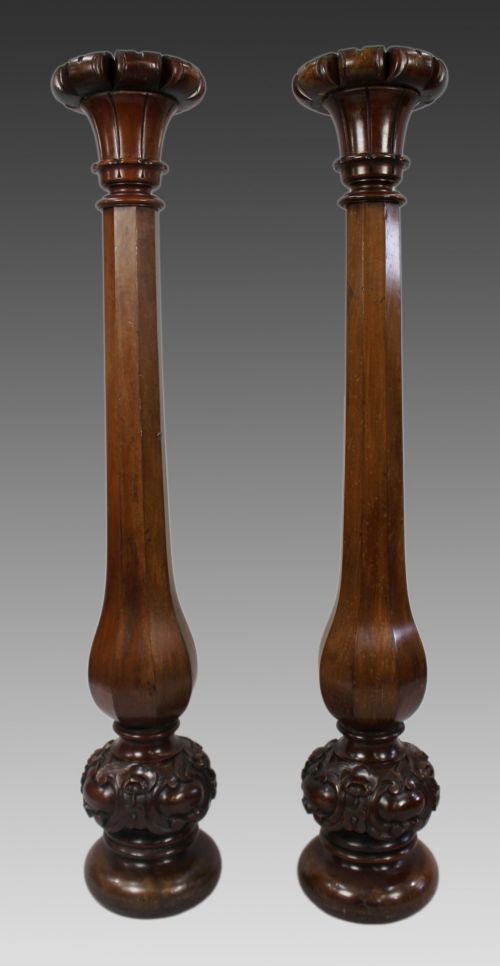
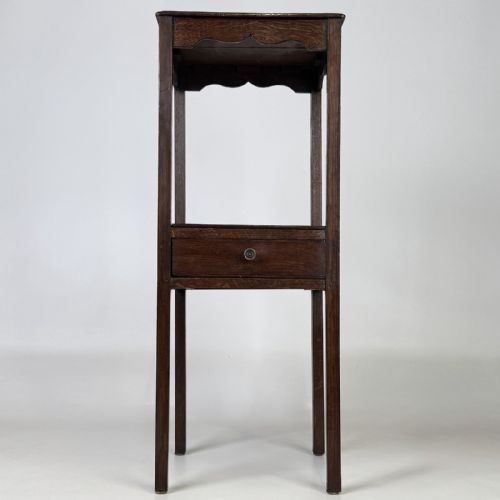
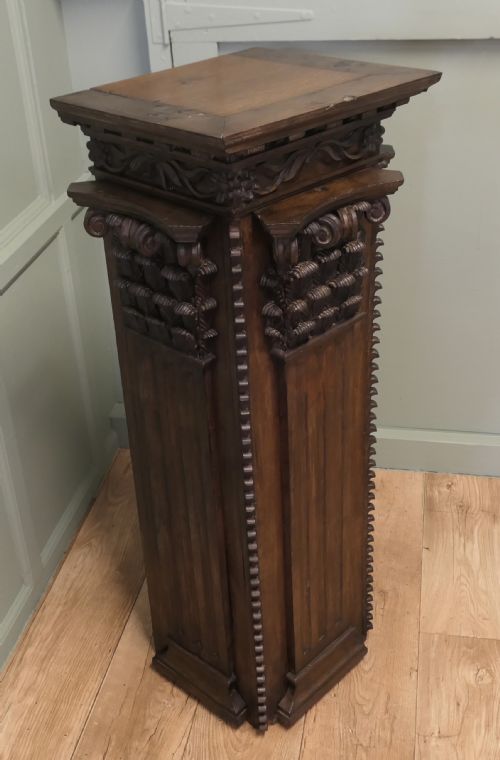
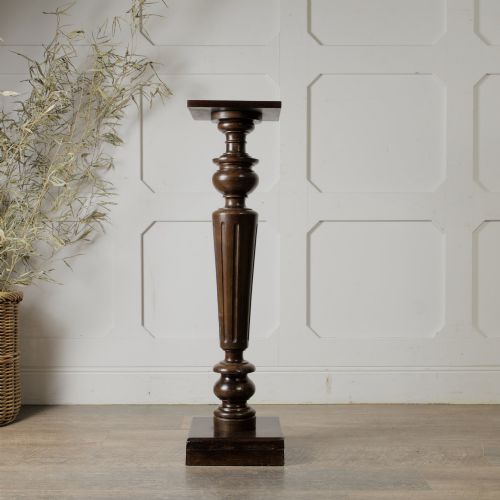
When you search for a tall wood pedestal, you are looking at vertical stands designed to display plants, lamps, and decorative figures. The pieces on this page span the eighteenth, nineteenth, and early twentieth centuries, encompassing Georgian, Victorian, and Edwardian eras. Plant stands, torcheres, and column displays dominate the selection, functioning historically to lift objects above floor level for better visibility and light.
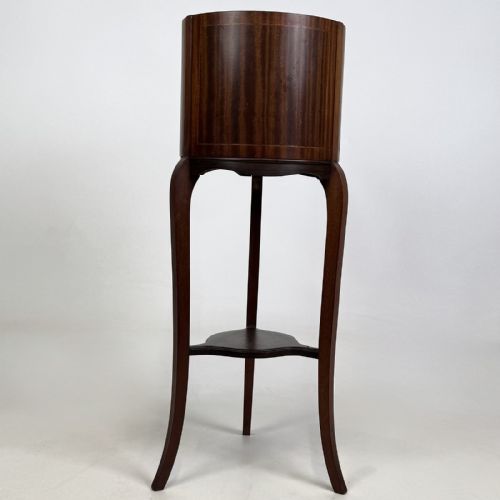
Mahogany and walnut form the backbone of the domestic English and European material record here, alongside oak and ebonised timber. You will also encounter imported hardwoods featuring inset marble tops, particularly from nineteenth-century Chinese export workshops. Tripod bases and column supports appear frequently, engineered to maintain stability despite a narrow footprint.
Materials and Construction
Cabinetmakers utilised solid and veneered timbers such as mahogany, walnut, rosewood, and oak, often combining them with brass fittings or inset marble slabs to create durable display surfaces. Turning lathes shaped slender shafts and columns, while hand-carving ornamented the knees and capitals of Victorian and Georgian examples.
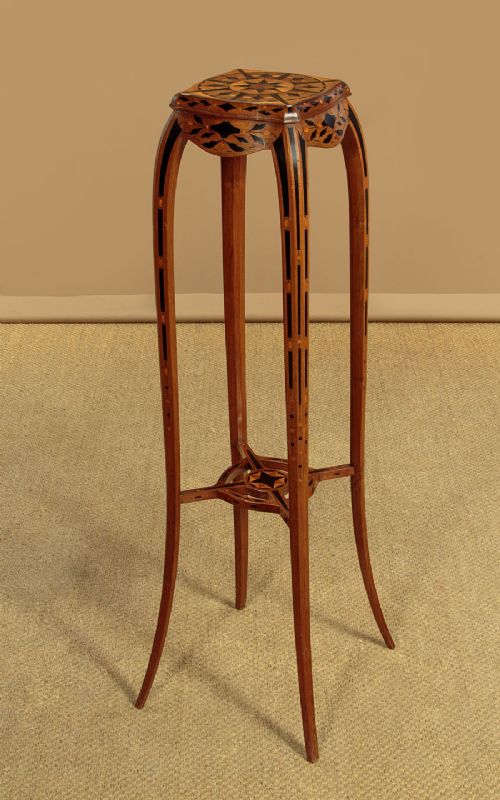
Inlay work, marquetry, and painted finishes provided decorative surface variety across Edwardian and nineteenth-century pieces. Joinery relied on sturdy tenon and dowel construction to support heavy stone tops and cast iron or timber internal weights within tripod feet.
Tall Wood Pedestal Retail Price Guide 2026
Typical asking prices for tall wood pedestal among the pieces listed under this phrase on Sellingantiques today, from the lower quarter to the upper quarter. They describe what is for sale here now, not the wider market.
Some nineteenth-century makers painted ordinary pine to masquerade as exotic marble, fooling everyone except the unfortunate soul who tried to dust it.
Distinctions in Execution
The distinction between standard utility stands and high-end reception pieces lies in the crispness of the hand-carved ornament and the selection of figured timber veneers. Superior examples display tightly fitted joints, well-proportioned fluting, and substantial weight in the base to prevent tipping.
Makers of finer pieces invested greater care in secondary woods and symmetrical grain matching on circular tops. Lesser items often rely on simpler turned geometry with minimal surface enrichment and lighter, less stable chassis construction.
Druce And Co London
The Tall Wood Pedestal Glossary
- Torchere
- A tall stand designed originally to hold a candle or torch, now commonly used for lamps and vases. These slender supports feature prominent vertical shafts.
- Jardiniere stand
- A decorative pedestal specifically built to support a heavy plant pot or floral container. They frequently include waterproof liners or inset ceramic tiles.
- Marquetry
- The art of applying decorative veneer pieces of different woods to a structure to form geometric or floral pictures. This technique often highlights Edwardian and Georgian tops.
- Ebonised
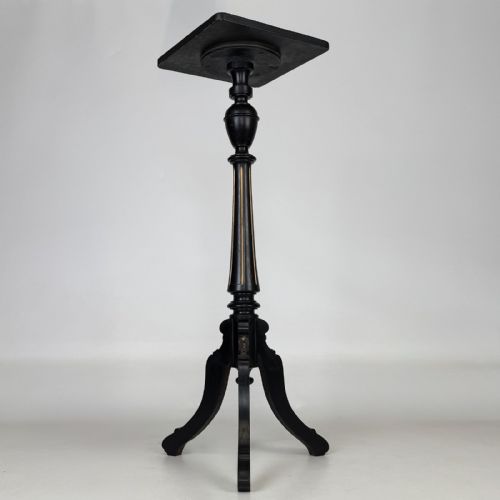
- Timber treated with a chemical stain or black paint to imitate expensive ebony. Victorian workshops favoured this finish for dramatic contrast in plant stands.
- Plinth
- A heavy rectangular or circular base supporting a column or statue. It provides a stable footing for otherwise top-heavy display furniture.
Tall Wood Pedestal: Frequently Asked Questions
What is a torchere stand used for?
A torchere stand serves as an elevated platform for lamps, urns, and decorative sculptures. Historically, these pieces held wax candles to illuminate dark corners of reception rooms.
Today, they function primarily as interior design accents that bring height and architectural interest to empty wall spaces.
How do I spot an Edwardian plant stand?
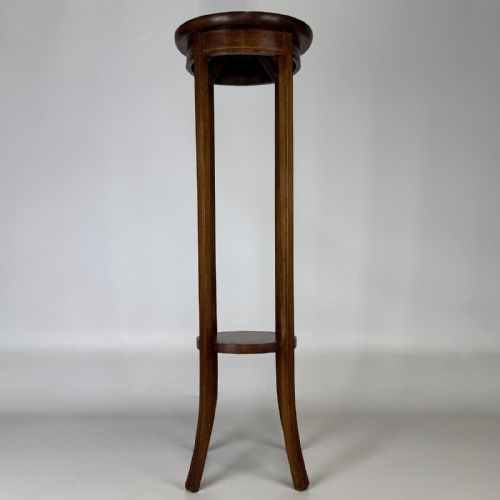
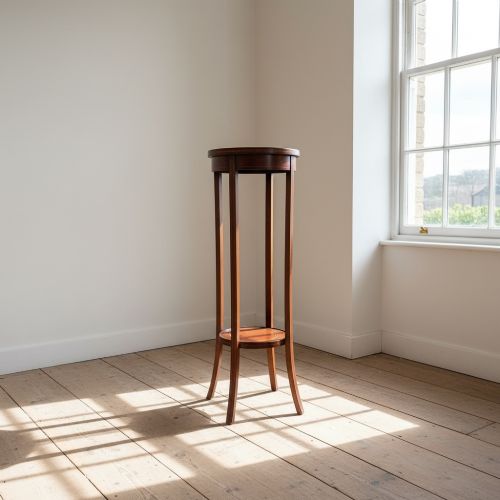
Edwardian plant stands often feature lighter mahogany frames, delicate stringing inlay, and sometimes a secondary lower shelf for storage. Their proportions tend to be slender compared to heavy Victorian furniture.
Makers working around the nineteen-hundreds also incorporated satinwood banding and subtle satin finishes rather than deep dark polishes.
Are marble top stands heavy?
Marble top stands carry significant weight at the top due to the stone inset, which helps anchor the slender wooden base below. The stone slab is usually rebated directly into the timber frame for security.
When moving these pieces, lift from the wooden structure rather than the marble top to avoid straining the surrounding mitre joints.
Why use tripod bases on columns?
Tripod bases provide superior stability on uneven historic floorboards compared to four-legged alternatives that easily rock. Three points of contact ensure the pedestal rests firmly without wobbling.
This structural choice allows nineteenth-century makers to build taller, narrower columns safely.