

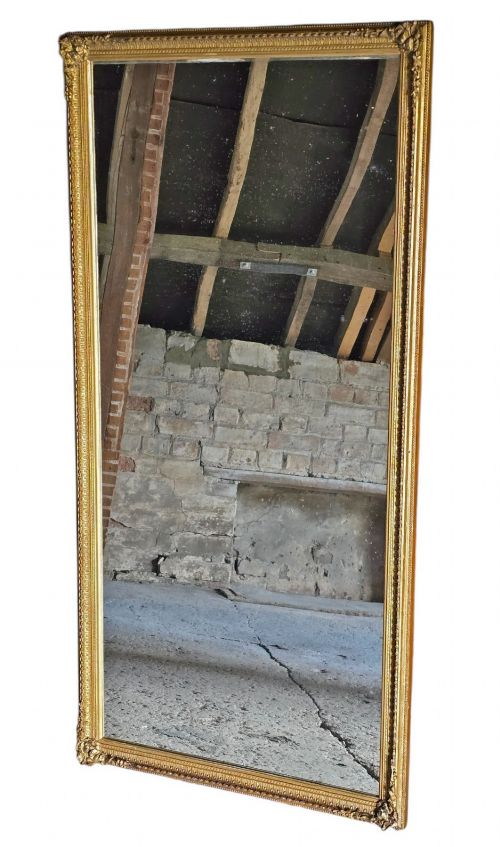
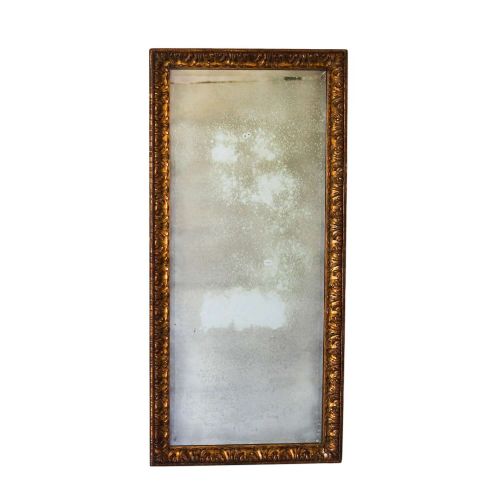


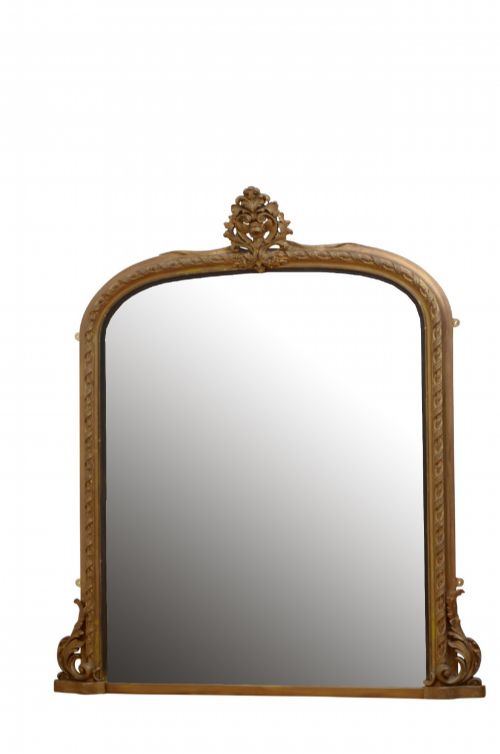
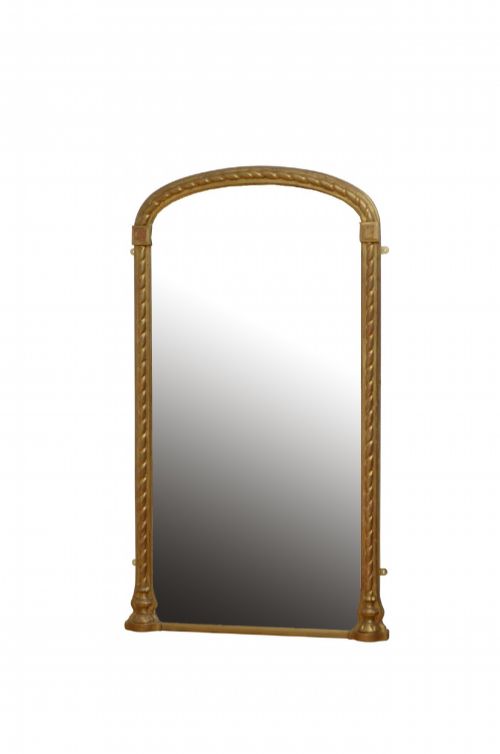


Tall Wood Framed Mirror
A tall wood framed mirror commands vertical space with timber and glass, bringing height and light into a room.
Tall Wood Framed Mirror
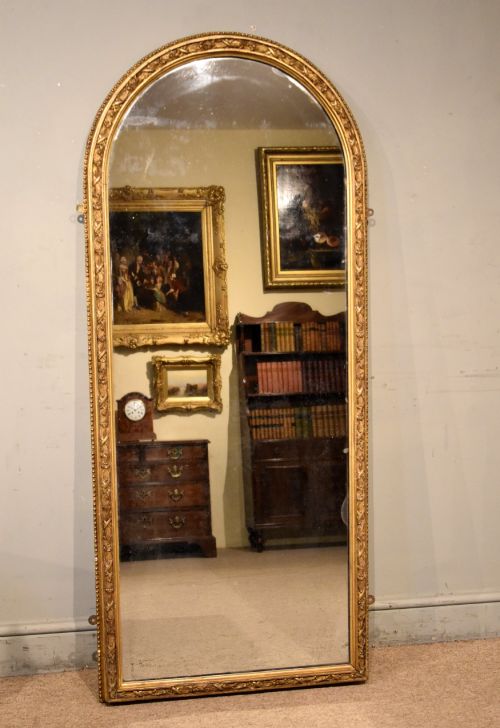
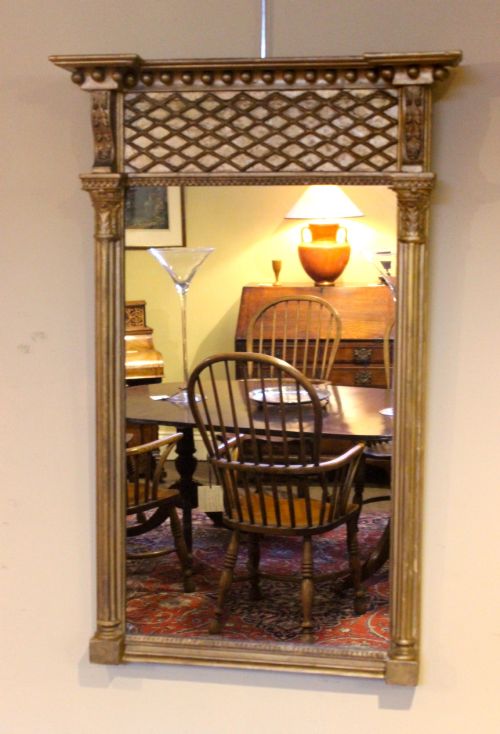
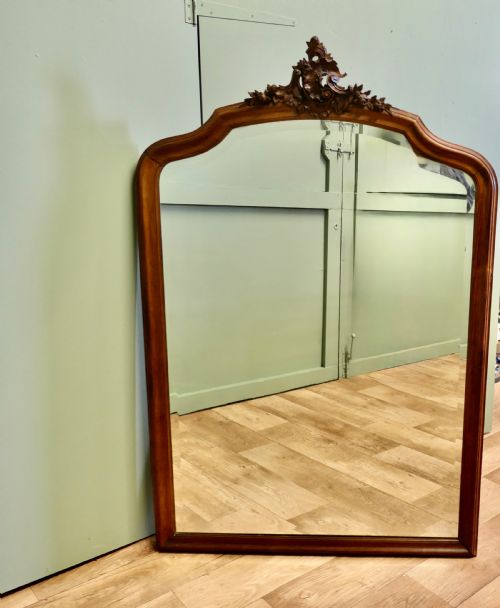
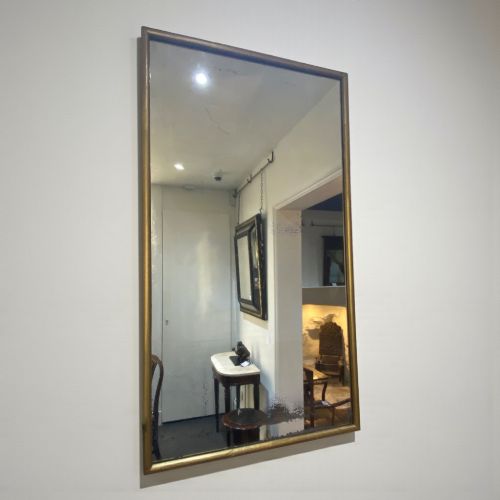
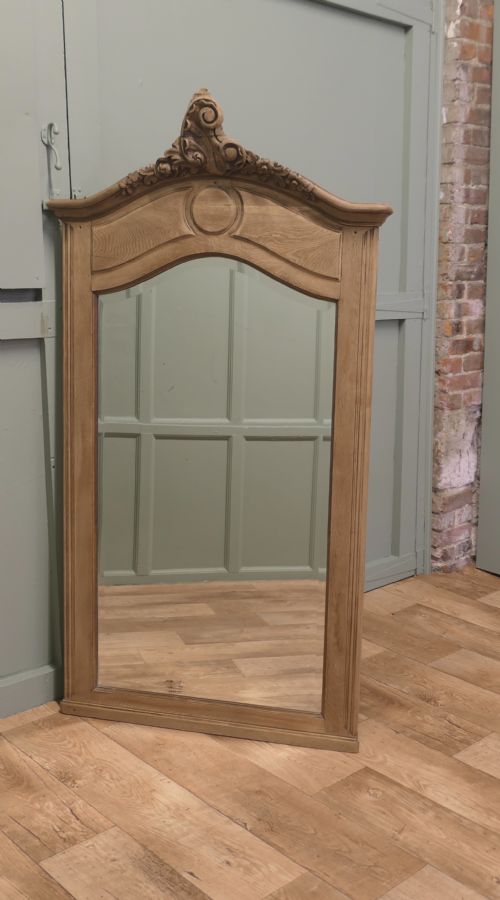
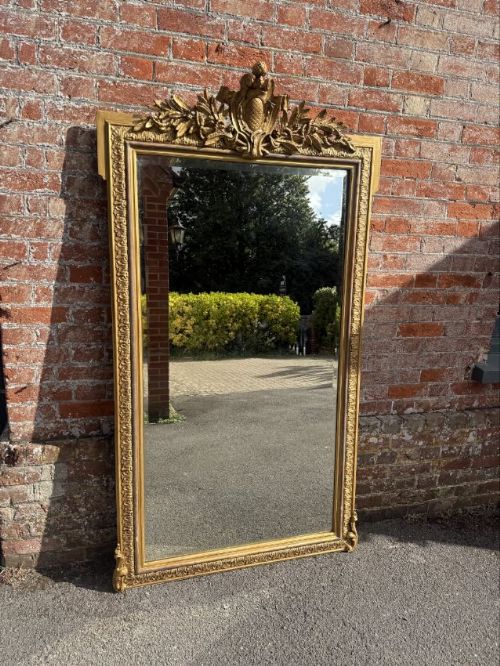
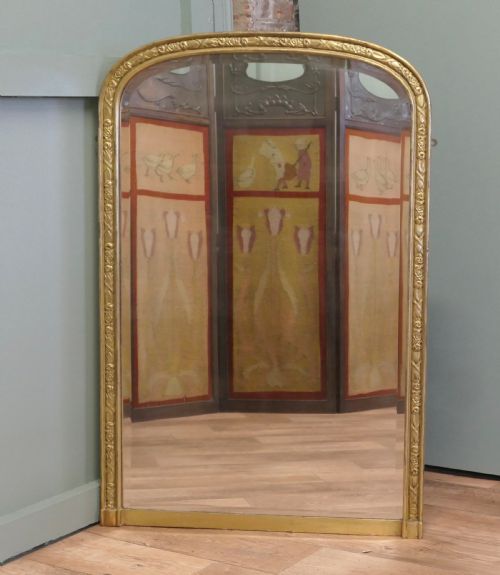
A tall wood framed mirror stands primarily as a vertical architectural element designed to anchor a room and reflect ambient light across interior walls. When searching for a tall wood framed mirror, buyers encounter numerous nineteenth-century French and English wall-hanging examples, alongside pier glasses, overmantels, and free-standing cheval mirrors.
The objects present in varied regional guises, spanning French neoclassical, Rococo revival, and Regency styles alongside simpler country formats. Chestnut, bleached oak, mahogany, walnut, and rosewood form the foundational timber structures supporting the glass plates.
Materials and Construction Techniques
Frames rely on solid timbers such as mahogany, walnut, oak, and chestnut, often shaped and joined with pegged or mitred corners. Many wood carcasses receive an applied layer of gesso, a plaster-like mixture carved and gilded with gold leaf or painted in monochrome tones.
Surface treatments range from clear timber polish to silvered and gilded finishes, sometimes enhanced with decorative elements like rope carvings, ripple mouldings, or applied neoclassical columns. The heavy glass plates sit securely within these timber rebates, occasionally showing the characteristic silvering degradation of age.
Tall Wood Framed Mirror Retail Price Guide 2026
Typical asking prices for tall wood framed mirror among the pieces listed under this phrase on Sellingantiques today, from the lower quarter to the upper quarter. They describe what is for sale here now, not the wider market.
Some nineteenth-century mirrors wear their foxed glass like a badge of honour, reflecting centuries of passing waistcoats.
Assessing Craftsmanship and Material Quality
Quality rests in the crispness of the wood carving and the depth of the gesso mouldings applied over the timber substrate. Superior examples display sharply defined ornamentation, hand-carved detailing rather than cast composition ornament, and well-proportioned sight lines that balance the weight of the frame against the glass.
The integrity of the timber frame, the retention of original gilding or paint finishes, and the preservation of the early or original silvered mirror plate dictate the standing of an individual piece.
John Belchier
The Tall Wood Framed Mirror Glossary
- Pier mirror
- A tall mirror specifically designed to hang on the narrow pier of wall space between windows. These pieces often feature elongated vertical proportions.
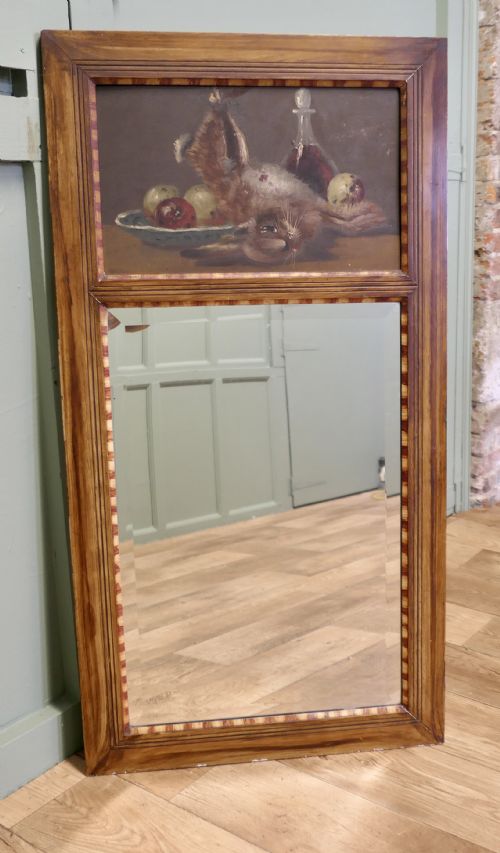
- Trumeau mirror
- A decorative wall mirror incorporating a painted panel or oil painting within the upper section of the wooden frame. They originate largely from French interior design traditions.
- Gesso
- A prepared mixture of chalk, gypsum, and binder applied to wood frames to create a smooth surface for subsequent carving and gilding. It allows for intricate relief ornamentation.
- Cheval mirror
- A freestanding full-length dressing mirror mounted on a pivoted frame supported by four legs. The design allows the glass to tilt at various angles.
- Overmantel mirror
- A wide mirror intended to be positioned directly above a fireplace mantelpiece. They frequently incorporate landscape orientations or tall arched profiles.
Tall Wood Framed Mirror: Frequently Asked Questions
Where should a tall wood framed mirror go?
These mirrors hang securely on large expanses of wall in hallways, living rooms, and bedrooms where vertical proportions enhance room height. Pier mirrors suit spaces between windows, while overmantels anchor the wall directly above a fireplace.
Positioning the glass opposite a window maximises the reflection of natural light. Wall construction must support the substantial weight of timber, gesso, and glass.
How do I secure a heavy mirror?
Hanging a heavy timber frame requires locating structural wall studs or utilising heavy-duty masonry fixings capable of bearing considerable downward and outward tension. Professional mirror brackets or sturdy metal plates screwed directly into the frame backing provide reliable support.
Cheval mirrors avoid wall-mounting entirely by utilising a self-supporting pivoted stand with a wide footprint. Freestanding designs must rest on level flooring to prevent tipping.
What periods do these mirrors represent?
The available selection spans primarily through the nineteenth century, encompassing Victorian, Regency, and various French provincial styles. Earlier influences appear through revived eighteenth-century designs.
Details such as neoclassical columns, carved Rococo scrolls, and ripple mouldings help date the construction. Timber choices like mahogany and walnut further point to specific nineteenth-century manufacturing eras.
Are the mirror plates original?
Many older frames retain their original mercury or silvered glass plates, often identifiable by subtle foxing, spotting, and minor surface distortions. These natural signs of age confirm long historical continuity.
Replacement glass occasionally appears in pieces that underwent nineteenth-century or later restoration. The clarity and thickness of the plate offer clues to its age.