



Tall Wood Clock
A tall wood clock anchors a room with steady rhythm and stately presence, bringing centuries of cabinet-making and horology together.
Tall Wood Clock
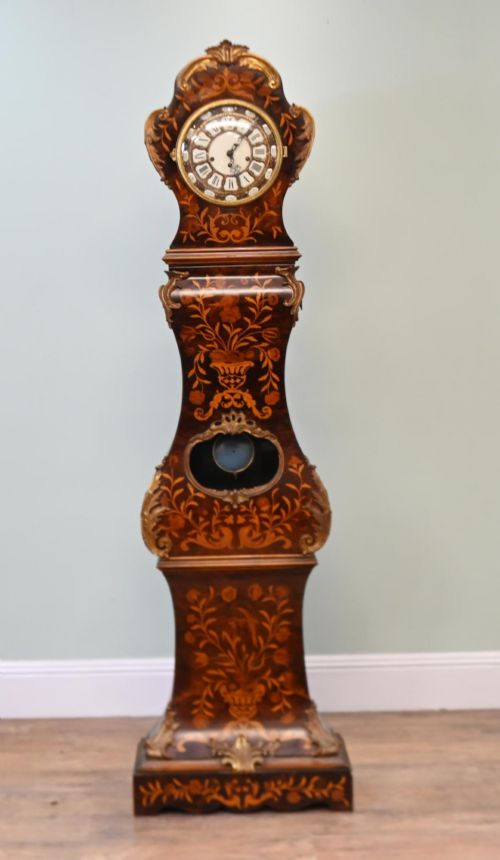
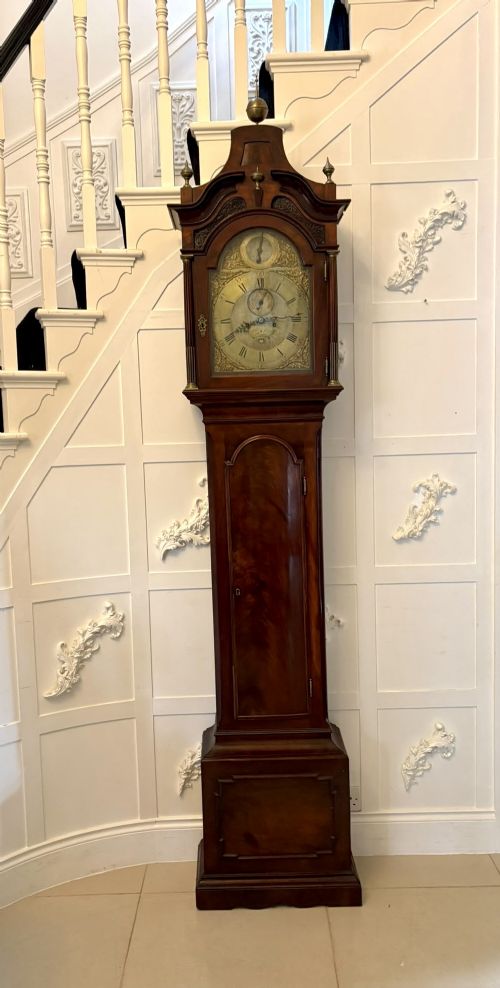
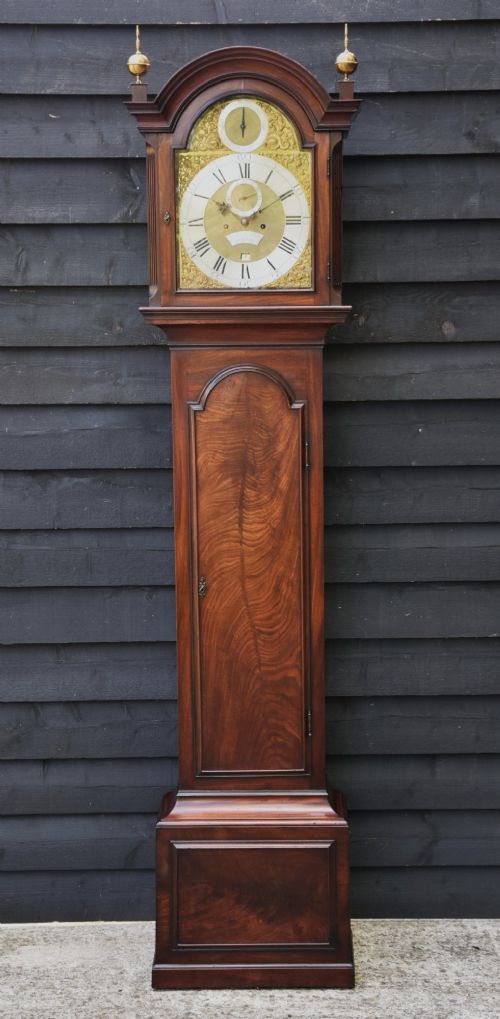
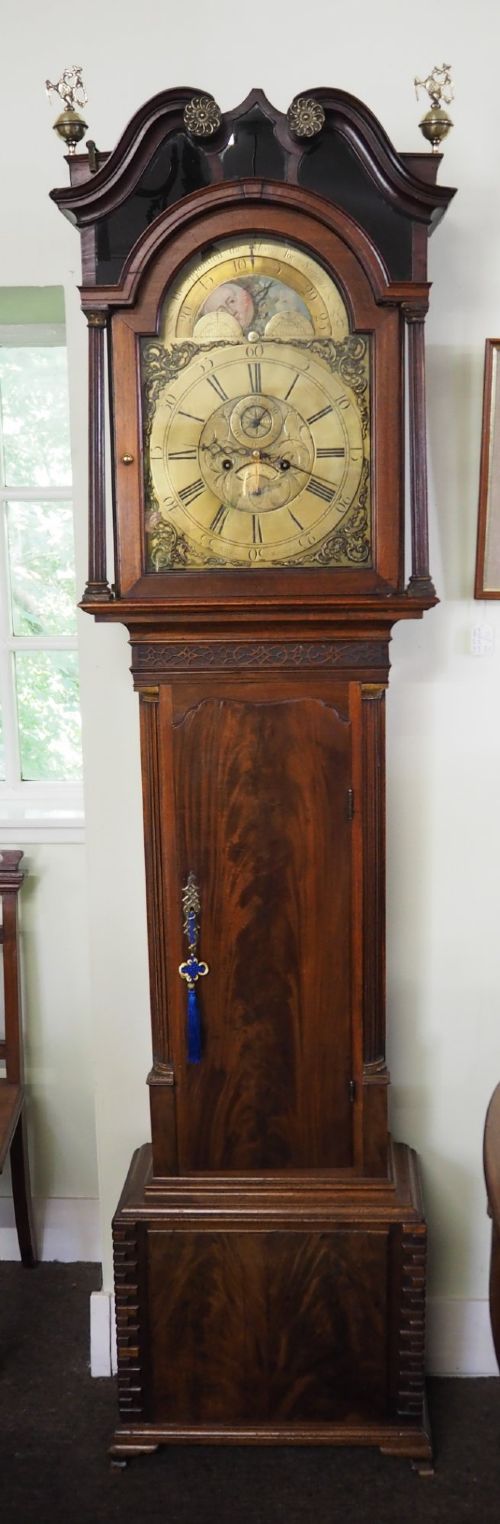
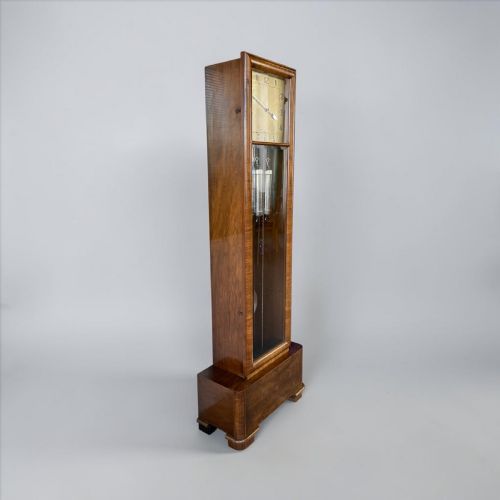
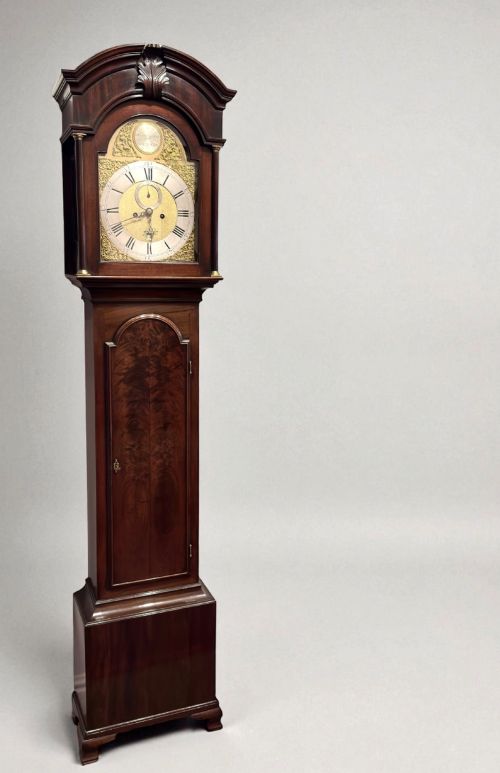
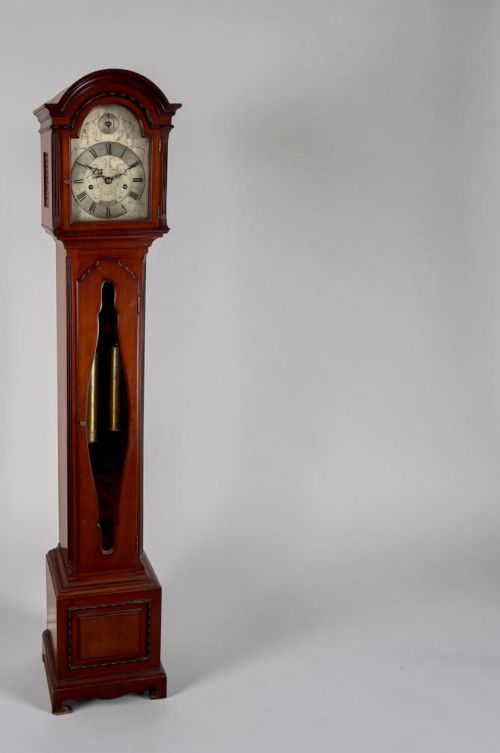
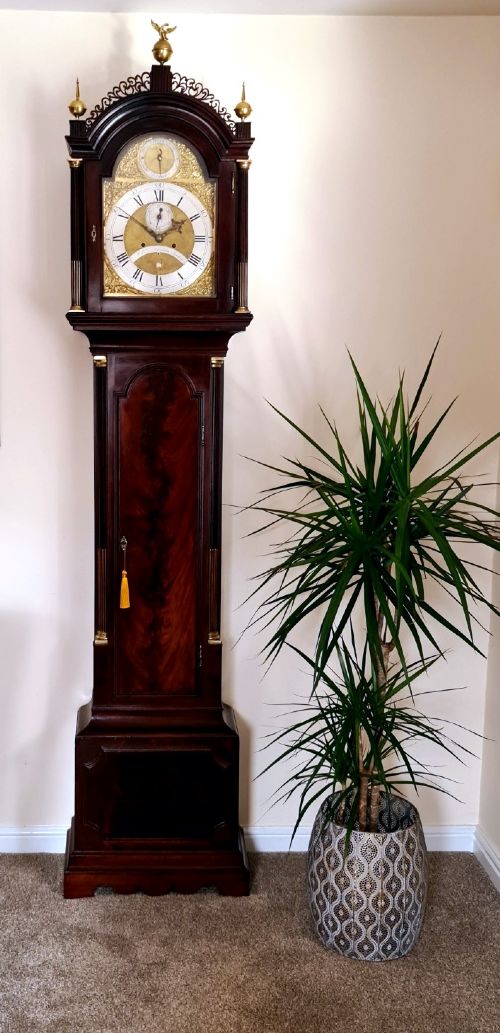
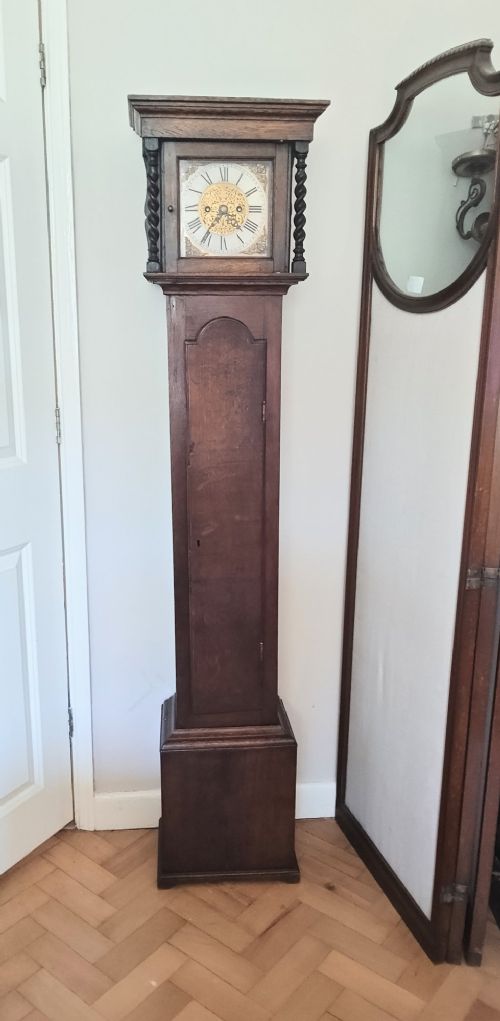
A tall wood clock typically refers to longcase and grandfather clocks housed in timber floor-standing enclosures, often grouped with smaller grandmother clocks. These vertical timepieces span periods from the Georgian era through the Victorian, Edwardian, and Art Deco years.
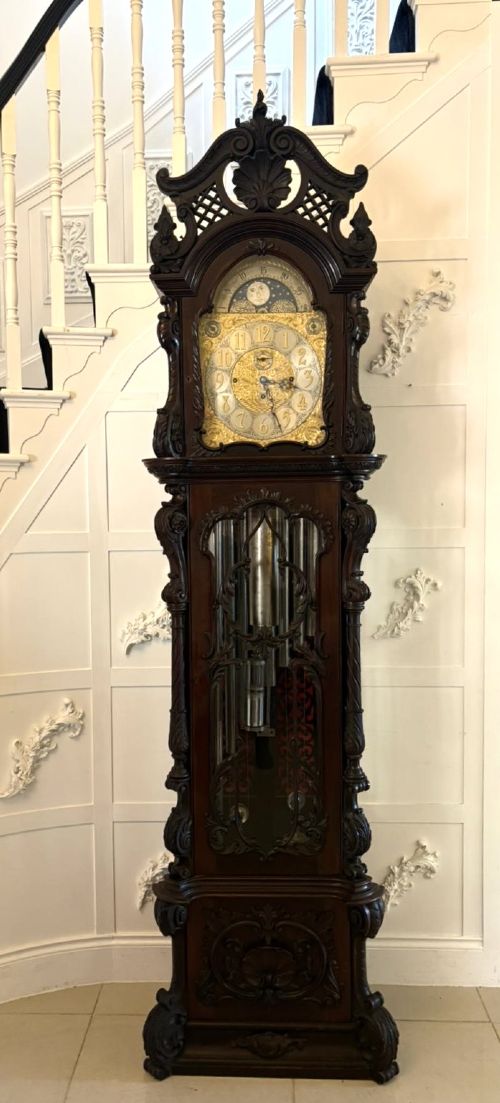
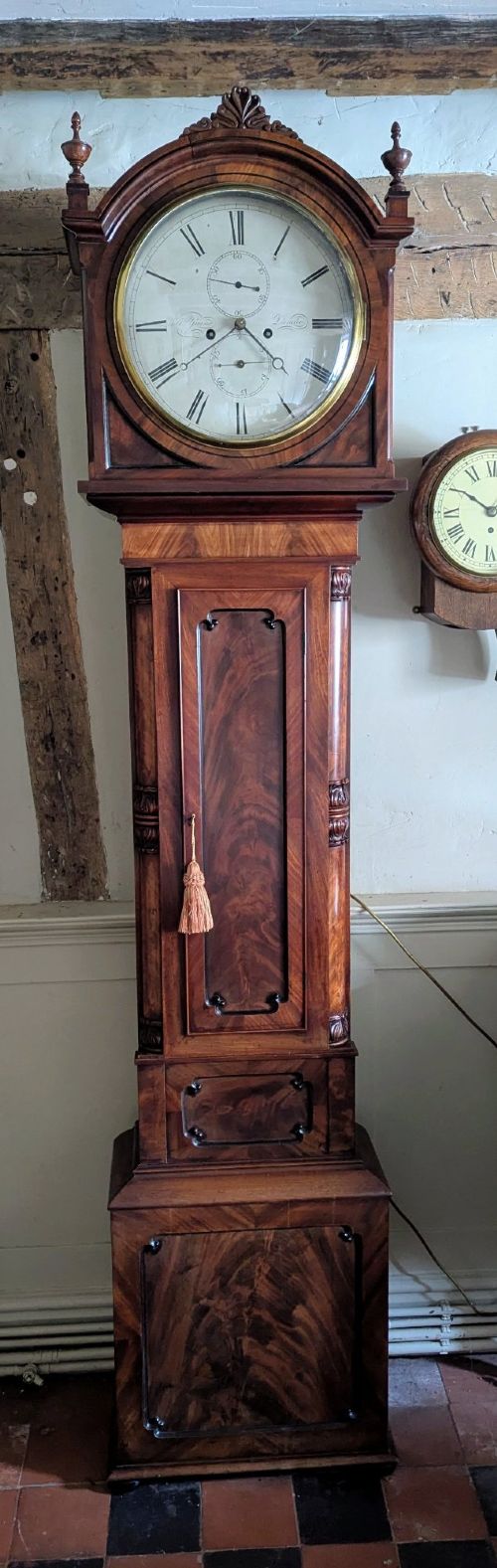
The mahogany version stands as the most common encounter on this page, frequently paired with oak or walnut variants. Cases range from plain domestic regulators to elaborate specimens featuring chiming movements and musical mechanisms.
Origins stretch from English provincial towns and London workshops to Scottish centres like Edinburgh, Dundee, Aberdeen, and Paisley. Formats vary from full-height longcases down to compact grandmother clocks designed for restricted ceiling heights.
How they were made
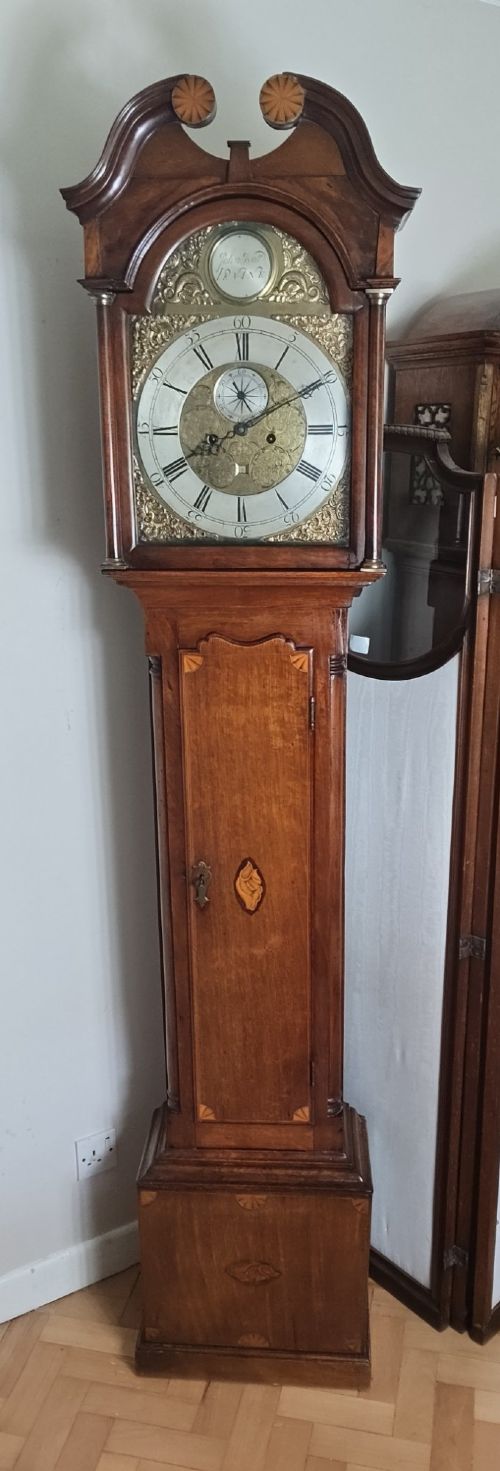
Cabinet-makers constructed tall wood clock cases using solid and veneered timbers, selecting figured mahogany, flame mahogany, walnut, and oak. Brass components formed the movements, dials, and decorative hardware, while glass protected the dial faces.
Clockmakers fitted eight-day movements, chiming mechanisms, moon rollers, and moonphase dials into these timber trunks. Master horologists signed their work on the brass dials, which often featured paterae inlay and intricate engraving.
Tall Wood Clock Retail Price Guide 2026
Typical asking prices for tall wood clock among the pieces listed under this phrase on Sellingantiques today, from the lower quarter to the upper quarter. They describe what is for sale here now, not the wider market.
What varies in quality
The refinement of the timber veneer and the crispness of carved details separate standard examples from superior pieces. Flame mahogany and figured walnut cases display deliberate grain selection that elevates the visual depth.
Horological complexity dictates the upper tier, where nine-tube chiming systems, moonphase complication dials, and signed movements by notable makers distinguish the engineering. The integration of the movement into the cabinet reflects the original maker's skill.
John Taylor London·Gordon of Aberdeen·Gillett and Johnston of Croydon·James Field of Hempstead·Samuel Kellett of Bredbury·William Jourdain·Priory of Dundee Scotland·George Hallifax of Doncaster·Edward Shepley of Manchester·Matt Wylie Paisley·Charles Dowsett of Canterbury·John Denbigh Merton Park
The Tall Wood Clock Glossary
- Longcase clock
- A tall pendulum clock enclosed in a wooden case standing directly on the floor. These tall wood clocks are commonly known as grandfather clocks.
- Grandmother clock
- A smaller, more slender version of the longcase clock produced during later periods. They suit rooms with lower ceilings while retaining traditional mechanical movements.
- Moonphase dial
- A specialised clock dial displaying the lunar cycle through a rotating painted disk. This complication tracks the phases of the moon alongside standard time.
- Paterae
- Small circular decorative ornaments carved or inlaid into furniture surfaces. They appear frequently on neoclassical tall wood clock cases.
- Regulator clock
- A precision pendulum clock designed for exact timekeeping. Domestic variants of these mechanical timepieces served as household reference standards.
Tall Wood Clock: Frequently Asked Questions
How do I wind a tall wood clock?
Winding requires using a specific crank or key to raise the weights or tension the springs inside the trunk. Care must be taken not to overwind the mechanism.
Most eight-day movements need attention on a weekly schedule. Keeping to a consistent routine helps maintain accurate timekeeping.
Where should I place a tall wood clock?
Position the piece against a solid interior wall away from direct sunlight and sudden temperature shifts. Floor stability prevents vibration from interfering with the pendulum.
Allow enough clearance above for the case height and ensure the cabinet stands plumb so the pendulum swings evenly.
How do I tell Georgian clocks from later periods?
Georgian examples often feature architectural hoods, brass dial plates with cast spandrels, and rich mahogany or oak surfaces. Makers marked their names directly on the face.
Victorian and Edwardian versions introduce varied dial styles, drum heads, and different proportions. Timber selection also shifts towards heavily figured veneers and walnut.
What is a moonphase dial?
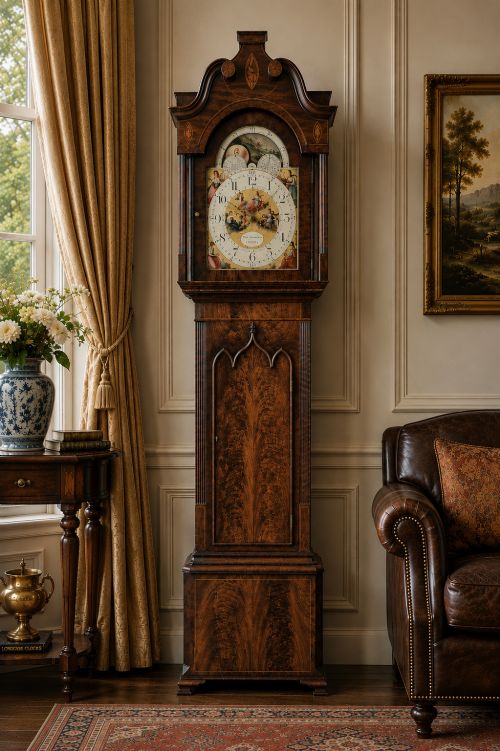
A moonphase dial tracks the lunar month behind a shaped aperture on the clock face. Painted moons rotate to show the waxing and waning cycles.
This feature added significant cost and complexity, making such clocks prized by owners who valued mechanical ingenuity.