


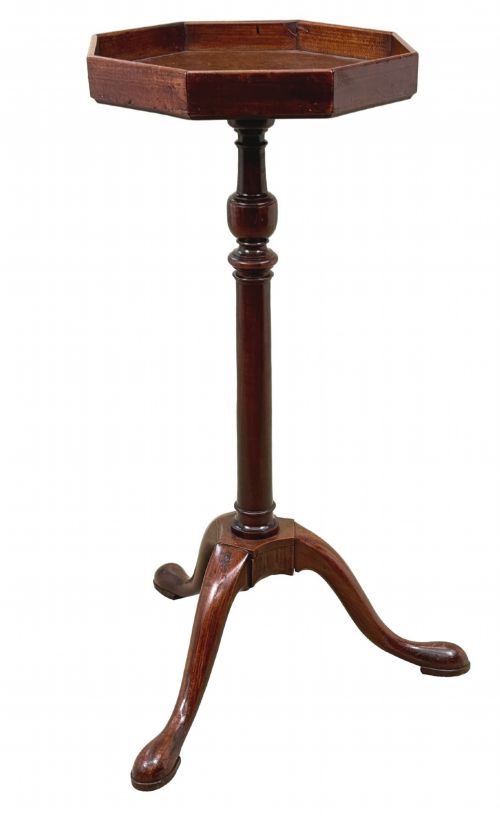


Tall Wood Candle Stands
Tall wood candle stands bring height and structure to a room, offering a vertical display for light and foliage.
Tall Wood Candle Stands
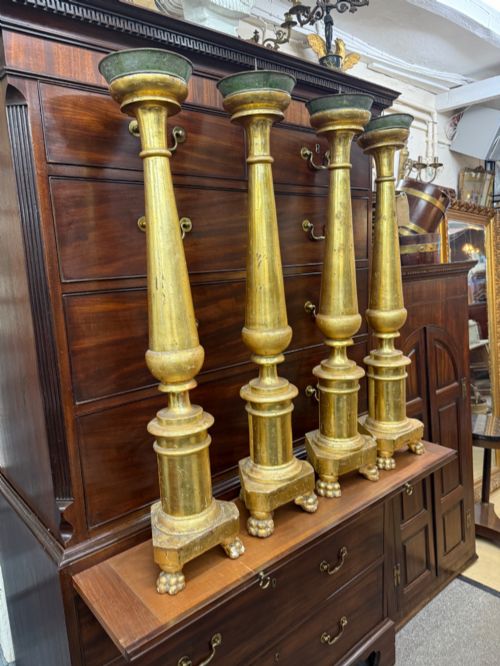
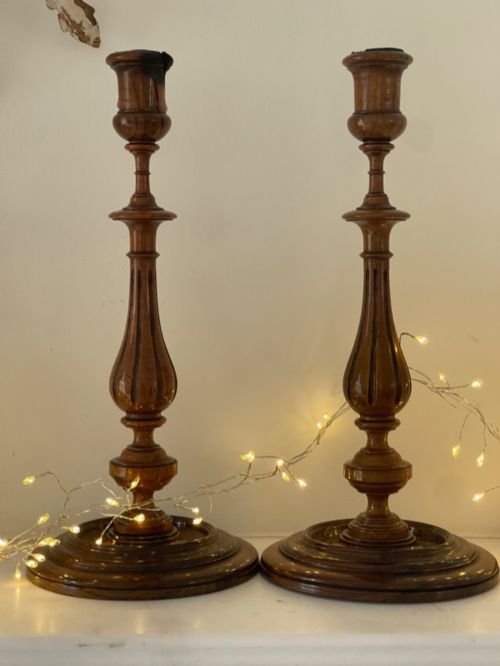
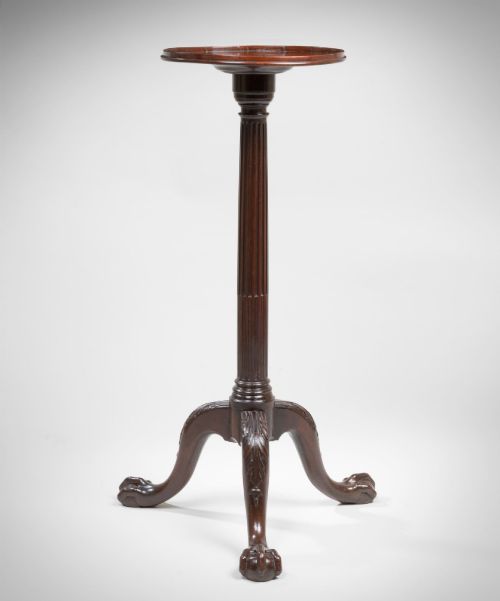
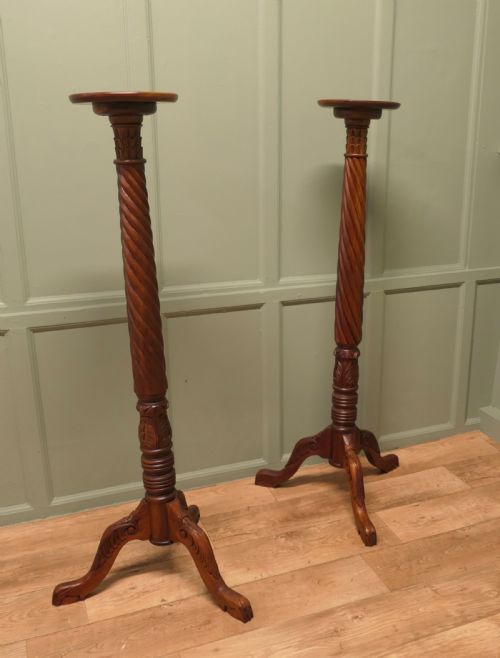
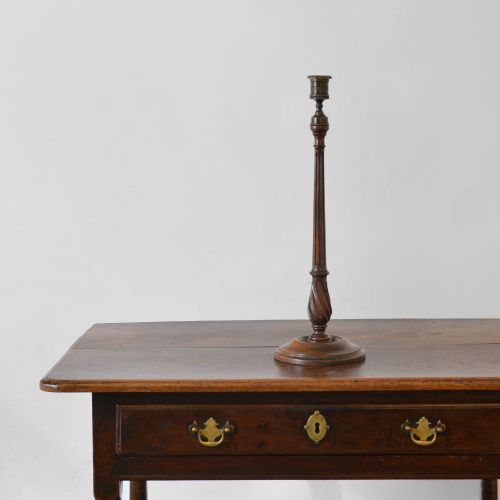
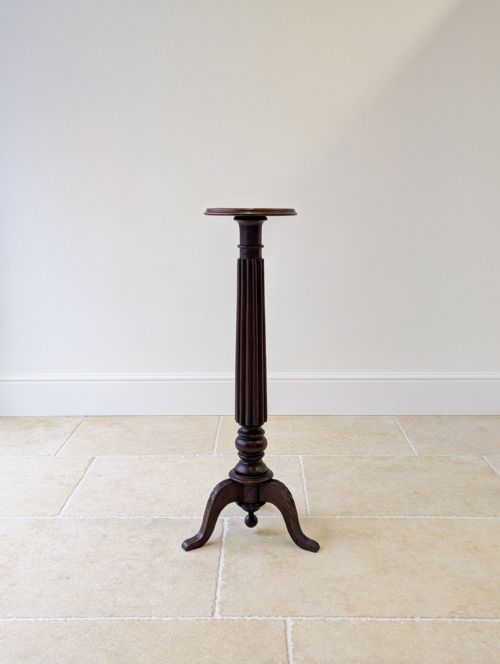
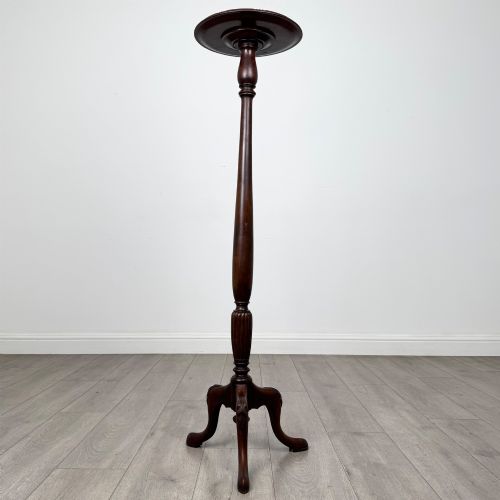
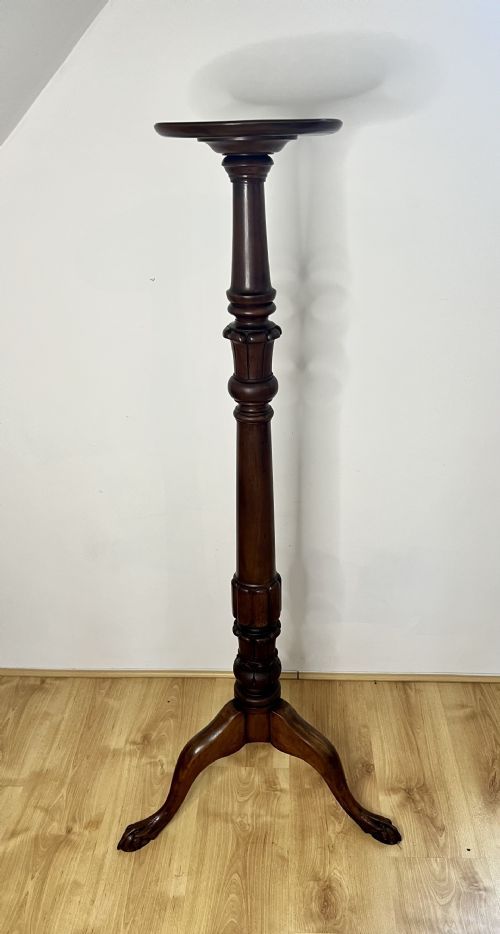
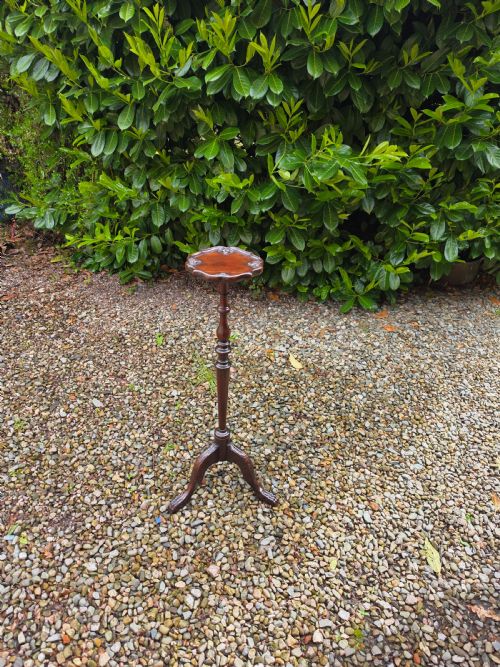
When you search for tall wood candle stands, you encounter a range of elevated supports including torcheres, plant stands, and candlesticks originating from the eighteenth, nineteenth, and early twentieth centuries. These pieces serve to lift illumination or ornaments above standard table height, utilising slender shafts supported by tripod or circular bases.
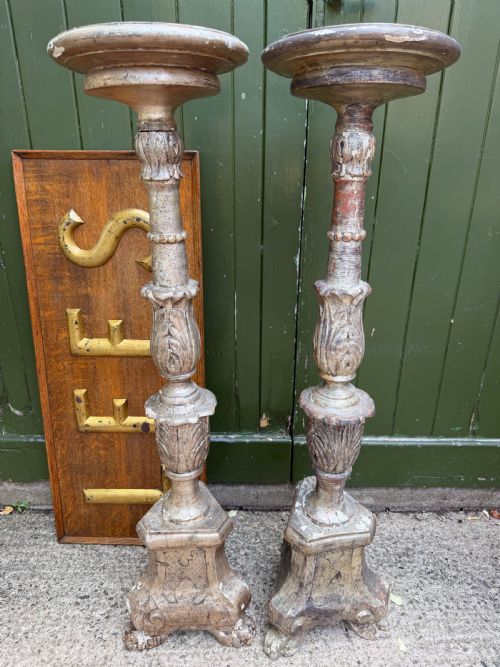
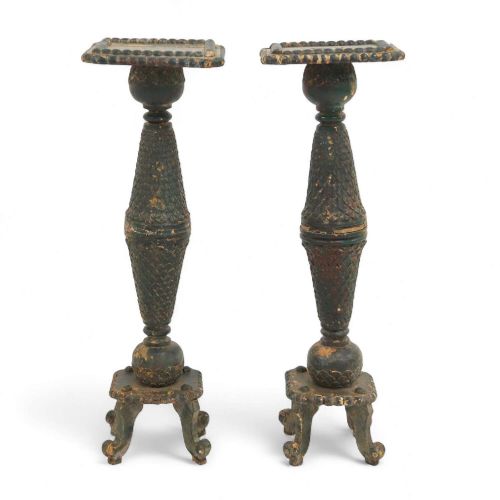
The selection on this page leans heavily toward nineteenth-century Victorian pieces and eighteenth-century Georgian examples, alongside Edwardian and later interpretations. Mahogany and walnut dominate the offerings, occasionally finished with paint, silvering, or giltwood rather than plain timber.
Forms cross over between dedicated candle holders, torcheres, and plant stands, reflecting how nineteenth-century households repurposed tall wooden supports for lamps and flora. The most common survivals on this page are mahogany torcheres and turned candlesticks from the Victorian and Georgian eras.
How they were made
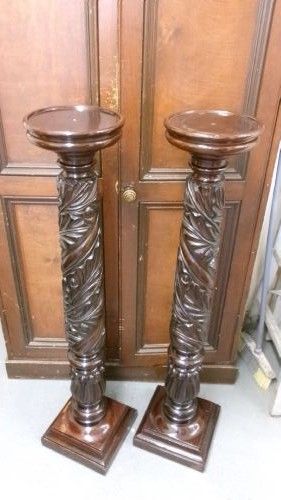
Cabinetmakers constructed these stands predominantly from dense hardwoods such as mahogany and walnut, selected for their stability when shaped into slender columns. Turning on a lathe formed the central shafts, while hand-carving added detail to knees, capitals, and tripod legs.
Surface treatments varied from polished timber and marquetry inlay to applied layers of green paint, silver leaf, and giltwood. Brass fittings and prickets occasionally supplemented the wood construction, particularly on pieces designed to hold large candles or lamps.
Tall Wood Candle Stands Retail Price Guide 2026
Typical asking prices for tall wood candle stands among the pieces listed under this phrase on Sellingantiques today, from the lower quarter to the upper quarter. They describe what is for sale here now, not the wider market.
Listings feature mahogany, walnut, and gesso alongside painted and silvered finishes across the eighteenth, nineteenth, and early twentieth centuries.
What varies in quality
Quality rests in the crispness of the carved detail and the weight distribution of the base, which determines whether a tall stand remains stable. Superior examples show fluid hand-carving on the knees and fluted columns, whereas simpler pieces rely on standard lathe turnings without enrichment.
The choice of timber grain and the integrity of the joinery at the junction of shaft and legs dictate the durability of the stand. Original surfaces, such as undisturbed green paint or aged walnut polish, elevate a piece above later refinishing.
The Tall Wood Candle Stands Glossary
- Torchere
- A tall decorative stand designed originally to carry a torch or candle, evolving later to support lamps and plants. These pieces feature slender upright shafts on steady bases.
- Pricket
- A sharp metal spike set on a candlestick or pricket candlestick to hold a large wax candle in place. It pierces the base of the candle for secure mounting.
- Marquetry
- Decorative veneer work forming geometric or floral patterns using various tinted woods. This technique appears on tabletops and stands of the Georgian period.
- Giltwood
- Timber coated with gold leaf or gold paint to simulate solid gold enrichment. It frequently surfaces on Italian and French decorative stands.
- Tripod base
- A three-legged support system providing stability for tall vertical stands. It prevents tipping on uneven floors.
Tall Wood Candle Stands: Frequently Asked Questions
What is a torchere stand?
A torchere stand is a tall, slender piece of furniture designed to elevate a light source or decorative object above the floor. They gained popularity in grand interiors to illuminate dark corners.
Over time, these stands adapted to hold potted plants and oil lamps while retaining their distinctive vertical profile.
How were tall candle stands used?
Historical interiors utilised tall stands to place candles at eye level around rooms where wall sconces could not reach. They stood beside seating areas and near doorways to cast ambient light.
As gas and electric lighting replaced candles, many of these tall wooden supports transitioned into plant stands and torchieres.
How do I distinguish Georgian from Victorian stands?
Georgian stands generally exhibit refined proportions, crisp hand-carving, and timbers like figured mahogany or walnut. They date from the eighteenth and early nineteenth centuries.
Victorian pieces often display heavier proportions, bolder turnings, and occasional machine-assisted detailing reflecting nineteenth-century manufacturing methods.