




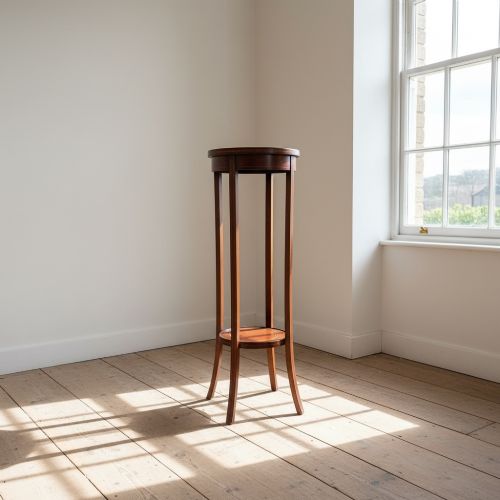
Tall Plant Display Stand
A tall plant display stand elevates botanical specimens and decorative objects, bringing vertical interest and architectural form into domestic interiors.
Tall Plant Display Stand
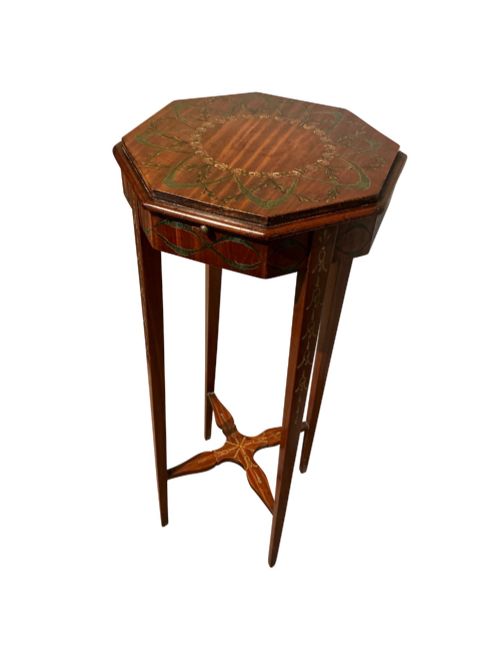
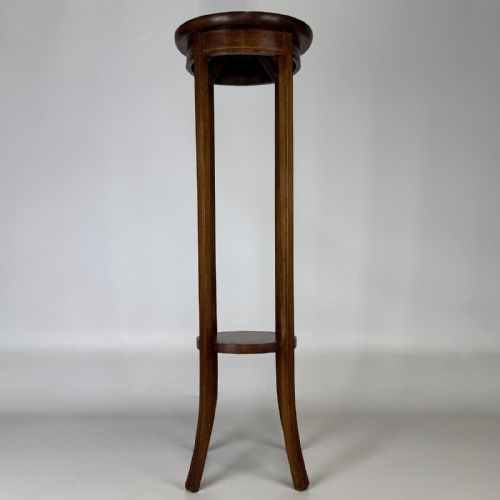
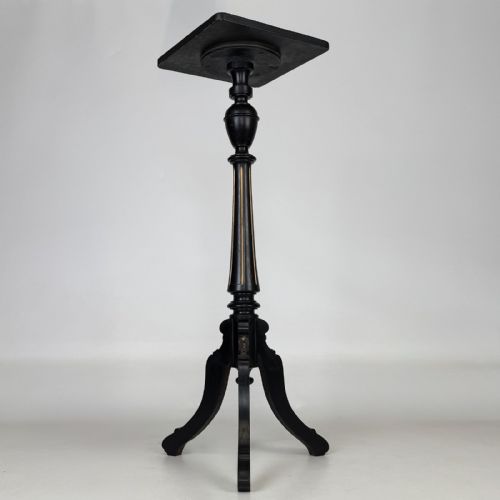
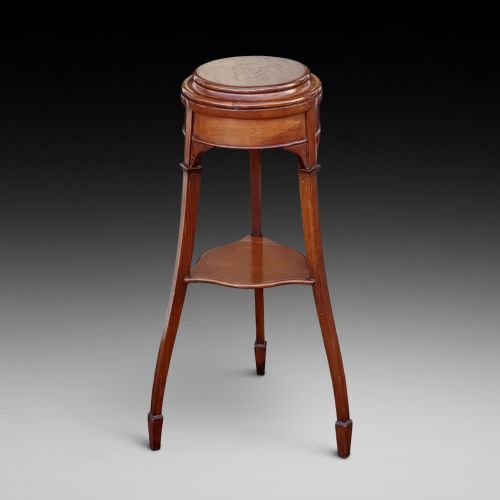
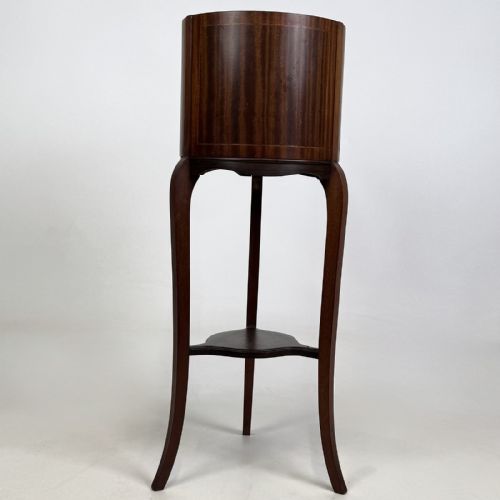
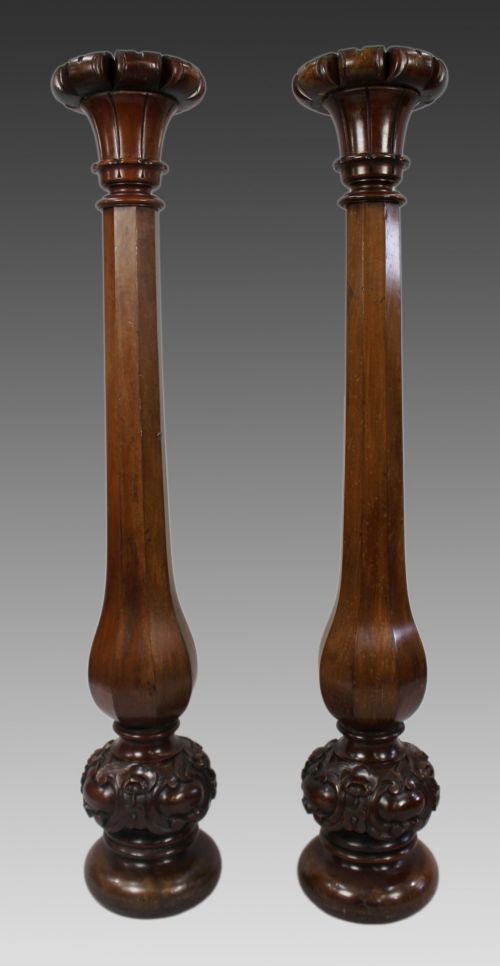
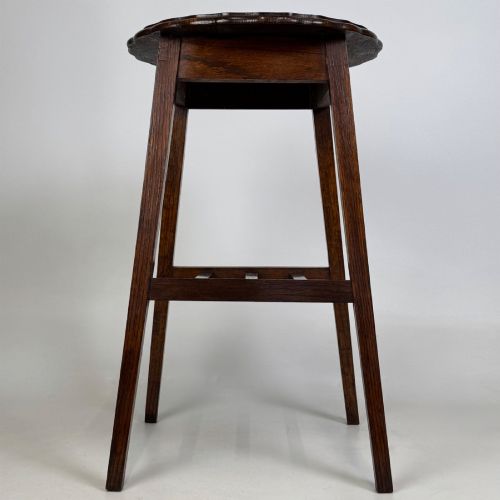
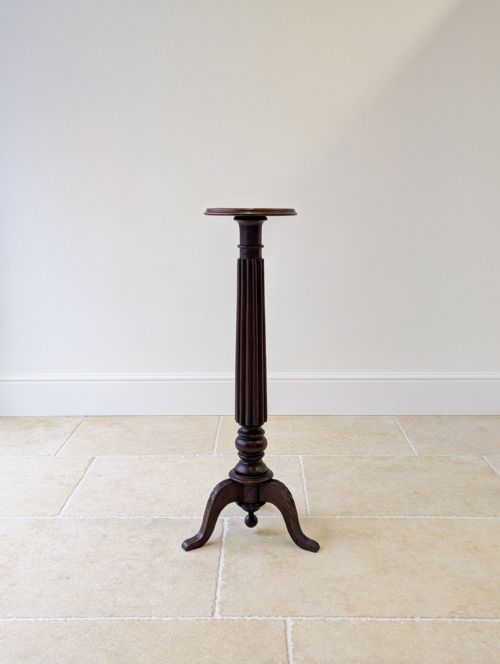
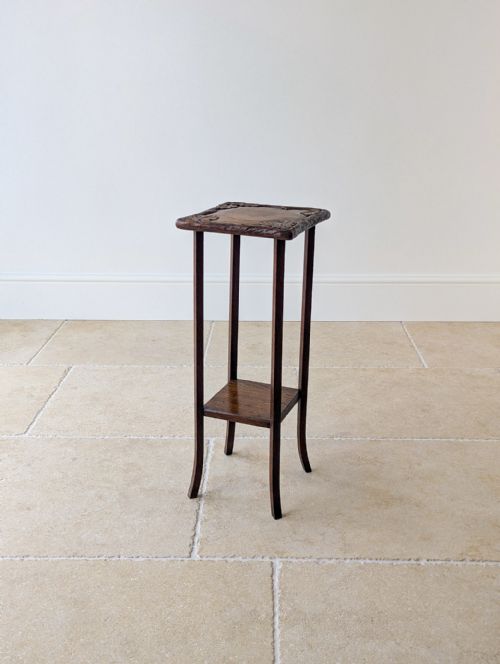
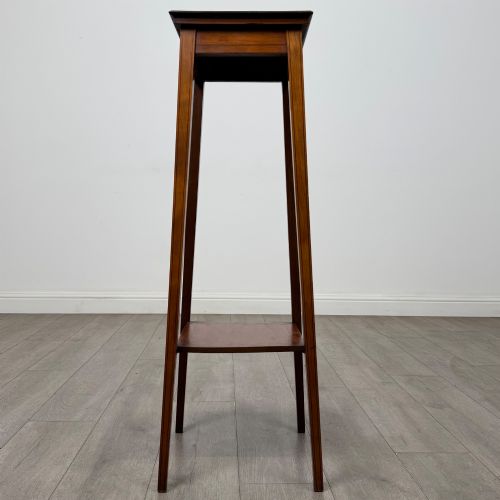
A tall plant display stand serves primarily to elevate flora, urns, or decorative figures above floor level. Buyers searching for a tall plant display stand will encounter various forms, most commonly slender torcheres, multi-tiered plant tables, and columnar pedestals originating from the nineteenth and early twentieth centuries.
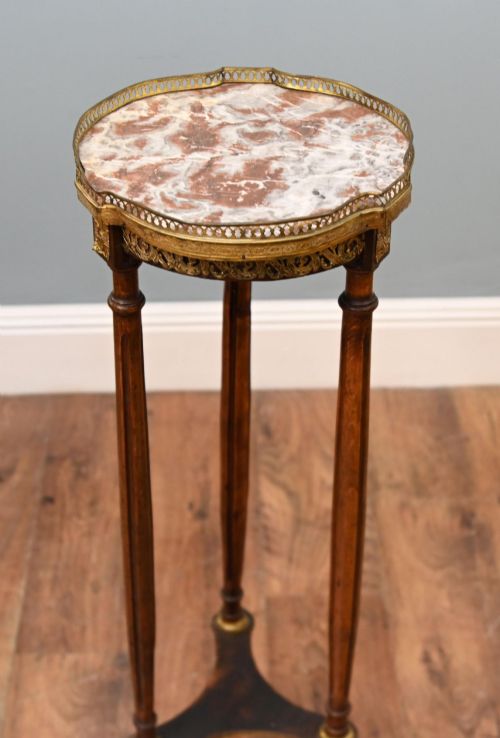
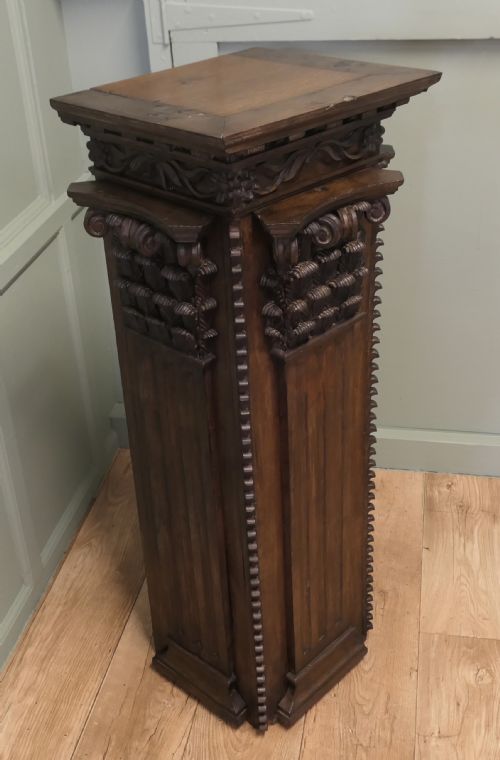
The materials reflect domestic tastes of the Victorian, Edwardian, and Arts and Crafts periods, featuring hardwoods, inset marble tops, and occasionally painted plaster or faux finishes. Pieces range from straightforward turned mahogany plinths to heavily carved oak columns and imported Oriental hardwood stands with marble inserts.
Makers and workshops of the era produced these items as functional furniture for conservatories, parlours, and drawing rooms. The selection available spans simple utility tables to ornate neoclassical statuary pedestals and Chinese export pieces designed to showcase prized specimens.
Construction and materials
Cabinetmakers utilised dense timbers such as mahogany, walnut, and oak, often employing turning, joinery, and detailed hand-carving to shape columns and legs. Inlaid satinwood and brass fittings appear frequently on Edwardian examples, adding decorative contrast to the primary wood grain.
Many stands incorporate inset marble or hardwood panels on the top surface to withstand moisture from watering plants or to provide a stable, cool base for heavy vases. Surface treatments range from polished French polish on hardwoods to painted finishes and faux marble effects on plaster or softwood columns.
Tall Plant Display Stand Retail Price Guide 2026
Typical asking prices for tall plant display stand among the pieces listed under this phrase on Sellingantiques today, from the lower quarter to the upper quarter. They describe what is for sale here now, not the wider market.
Some nineteenth-century makers built stands with concealed revolving tops so plants could rotate toward the sun without manual intervention.
Assessing quality and craftsmanship
Quality in a tall plant display stand is evident in the crispness of the hand-carved details, the weight and stability of the base, and the selection of figured timber veneers. Superior examples display tight joinery, balanced proportions, and high-grade inset marble rather than lightweight substitutes.
The distinction between standard utility pieces and fine craftsmanship lies in the depth of relief carving, the integration of classical design elements such as fluting, and the preservation of original patination on the wood surfaces.
Shoolbred·Liberty of London
The Tall Plant Display Stand Glossary
- Torchere
- A tall, slender stand or floor lamp designed to hold a light or a decorative object. They frequently feature a small circular top supported by a single turned or carved column.
- Jardiniere
- An ornamental pot or stand for holding plants or flowers. These items are typically designed to withstand damp environments within conservatories or drawing rooms.
- Pedestal
- A architectural support or column used to elevate a bust, vase, or plant. They appear in stone, wood, and painted plaster across various revival styles.
- Inlay
- A decorative technique where contrasting materials such as satinwood or brass are inserted into recesses in the wood surface. This ornamentation is common on Edwardian pieces.
- Plinth
- The heavy base or lower block of a column, statue, or plant stand. It provides structural stability and grounds the vertical composition.
Tall Plant Display Stand: Frequently Asked Questions
What is a tall plant display stand used for?
These pieces function primarily to raise potted plants, ferns, or decorative sculptures off the floor to catch better light and create vertical dimension in a room. They also serve as display surfaces for vases and lamps.
Historically, they occupied corners and window recesses in Victorian and Edwardian drawing rooms, parlours, and glass conservatories. Today, they remain practical furniture items for displaying botanical collections in domestic interiors.
How do I tell an Edwardian stand from a Victorian one?
Victorian stands typically feature heavier carved mahogany, darker finishes, and robust proportions associated with revival styles. Edwardian examples often display lighter timbers such as satinwood, subtle stringing inlay, and simpler Arts and Crafts influences.
Examining the turning style, timber selection, and decorative motifs helps determine the manufacturing period. Arts and Crafts pieces from the turn of the twentieth century favour honest oak construction over applied surface ornamentation.
Are marble top stands suitable for heavy pots?
Marble top stands provide a cool, water-resistant surface that easily supports heavy ceramic pots and stone urns without sustaining moisture damage. The dense stone top adds considerable weight to the base, improving overall stability.
Care should be taken to ensure the supporting wooden frame underneath is structurally sound and securely joined. The inherent weight of the marble also prevents the stand from tipping easily.
How do I care for antique wood plant stands?
Protect the wood surface by using waterproof saucers beneath plant pots to prevent standing water from penetrating the polish or causing timber warping. Regular dusting and occasional application of appropriate furniture wax help maintain the finish.
Positioning the stand away from direct heat sources and extreme humidity fluctuations prevents the wood from drying out or cracking over time. Gentle handling preserves the original patination and historic surface.