



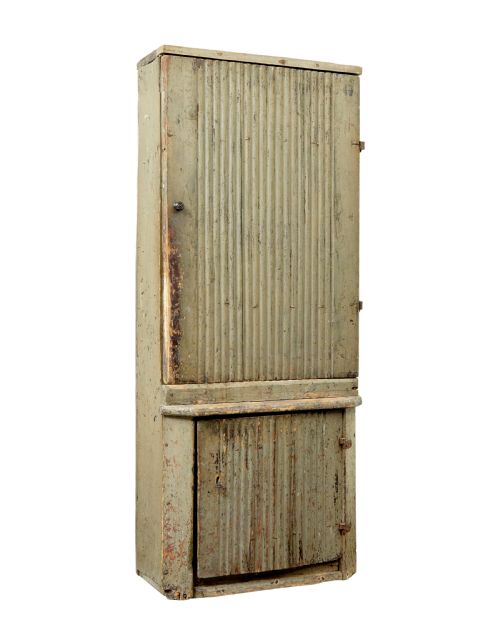
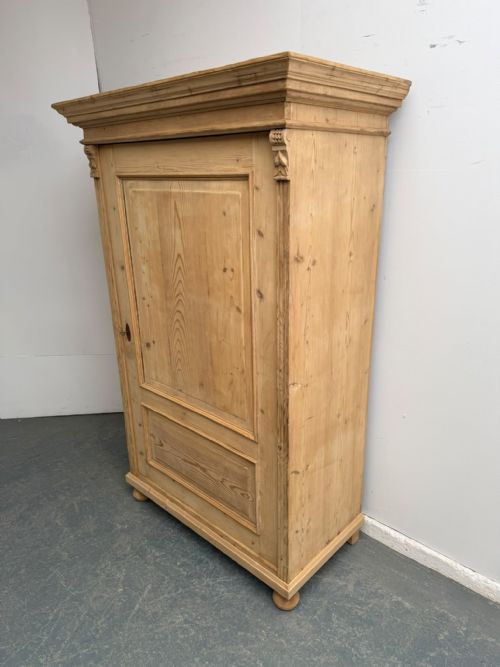


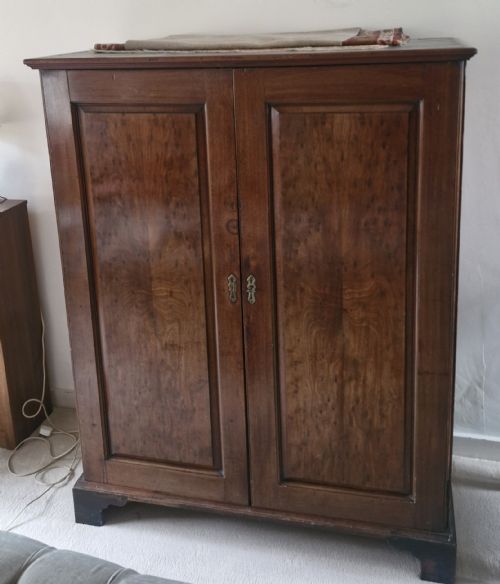
Tall Pantry Cupboard
These tall pantry cupboards offer substantial storage and presence, bringing traditional utility and character to modern kitchens.
Tall Pantry Cupboard
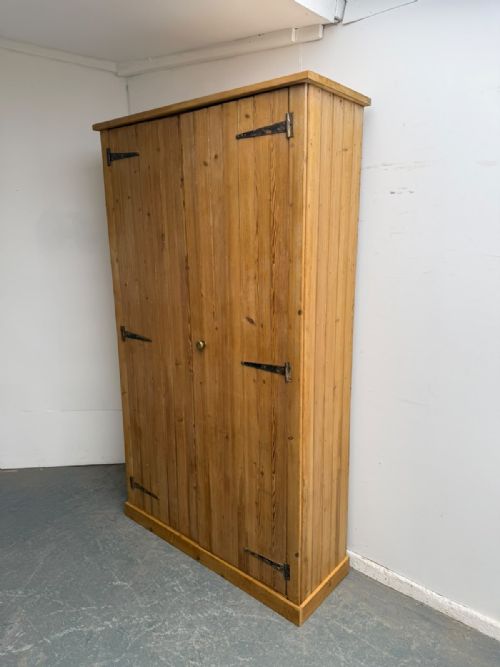
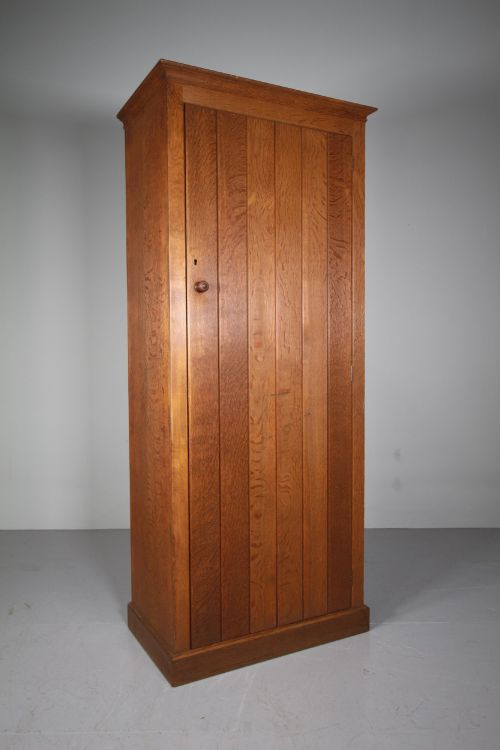
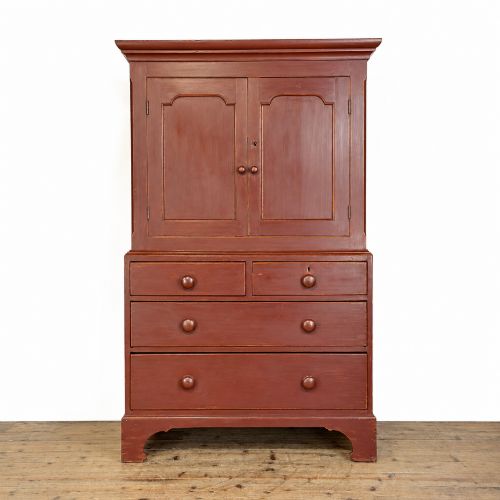
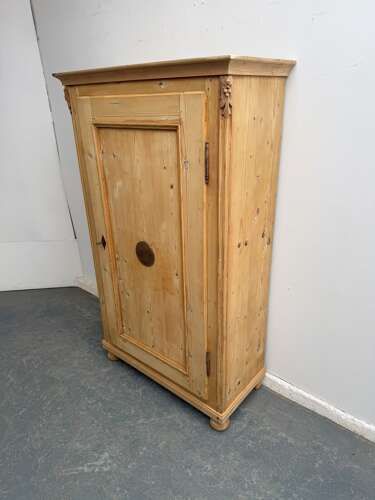
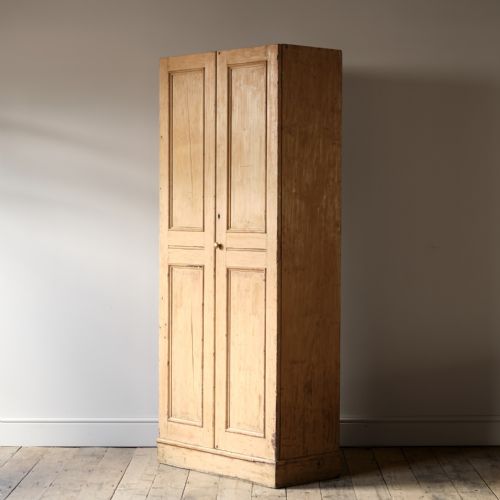
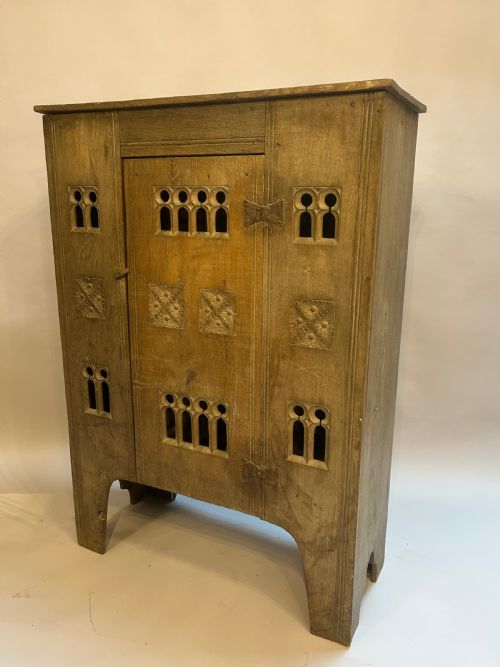
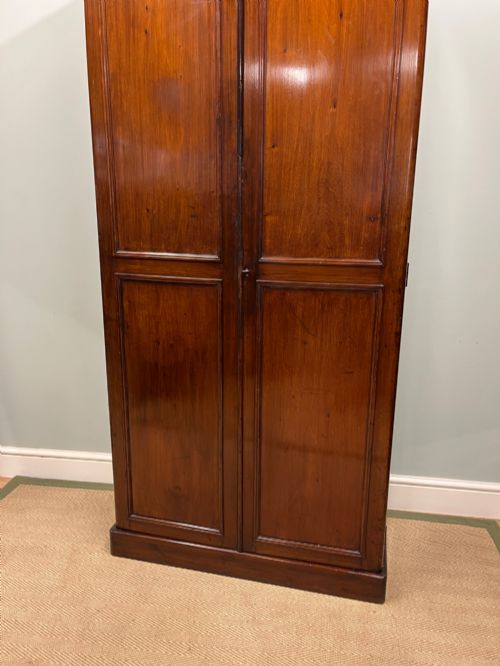
A tall pantry cupboard serves as a primary storage solution for provisions, linens, and household goods, anchoring a room with its vertical proportions. When searching for a tall pantry cupboard, buyers encounter varied vernacular traditions, from Welsh elm pieces to East European and French painted examples.
The selection ranges across several centuries, encompassing 18th century oak and elm formats alongside robust Victorian pine iterations. Single and multi-door configurations appear frequently, often retaining historical paint finishes or original hardware.
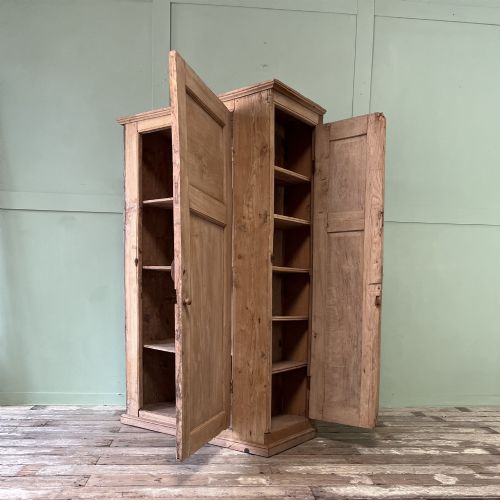
Regional forms demonstrate distinct construction habits, including Scandinavian carved pine and English housekeeper formats. These storage items bridge kitchen and utility spaces, offering deep shelving suited to domestic organisation.
How they were made
Construction relies heavily on solid timber foundations such as pine, oak, elm, and mahogany, selected for durability and local availability. Carpenters utilised traditional joinery methods, housing panels within frames to accommodate seasonal wood movement.
Surfaces frequently display applied paint finishes, ranging from early layered lead paints to later cream and scraped treatments, alongside waxed natural timbers. Hardware elements incorporate wrought iron hinges and brass escutcheons, securing heavy panelled or skeleton doors.
Tall Pantry Cupboard Retail Price Guide 2026
Typical asking prices for tall pantry cupboard among the pieces listed under this phrase on Sellingantiques today, from the lower quarter to the upper quarter. They describe what is for sale here now, not the wider market.
Listings feature robust timbers including pine, oak, elm, and mahogany across diverse Victorian and 18th century vernacular traditions.
What varies in quality
Quality rests upon the integrity of the timber framing and the survival of original structural components like bun feet, cornices, and internal shelving. Pieces retaining undisturbed historic paint surfaces or original ironmongery command greater interest among purists.
Proportion and scale dictate the visual success of the piece, with narrower proportions and balanced door configurations offering superior domestic utility. The subtlety of hand-carved details, such as those found on Scandinavian or Welsh vernacular examples, distinguishes finer workshops from utilitarian output.
The Tall Pantry Cupboard Glossary
- Housekeeper's cupboard
- A large storage cabinet traditionally utilised for linens, dry goods, and domestic equipment in substantial homes. These pieces often incorporate a combination of hanging space, deep shelves, and lower drawers.
- Fielded panel
- A wooden panel with bevelled edges designed to fit within a surrounding frame. This technique allows the timber to expand and contract without splitting.
- Skeleton cupboard
- A cabinet featuring open frames or glazed sections intended for the display or ventilation of contents. In vernacular pieces, this configuration often served specialised agricultural or storage functions.
- Welsh vernacular
- Regional furniture traditions from Wales constructed by local joiners using accessible timbers like elm and oak. These items prioritise functional utility and robust pegged joinery over academic stylistic rules.
Tall Pantry Cupboard: Frequently Asked Questions
How do I clean a painted cupboard?
Dust surfaces regularly with a dry microfibre cloth to prevent the accumulation of dirt on historic paintwork. Avoid harsh chemical cleaners or excess moisture, which can soften fragile old layers.
For stubborn marks, apply a mild soap solution sparingly on a damp cloth, drying the area immediately afterwards. Maintaining a stable indoor humidity protects both the timber substrate and the adhering paint.
Can I adjust the internal shelves?
Most historical storage cupboards feature fixed internal shelving supported by traditional wooden bearers or integrated dados. Altering these layouts requires careful carpentry work to avoid compromising the rigid frame.
Buyers should inspect the internal depth and shelf spacing before purchase to ensure it accommodates modern provisions. Many owners utilise freestanding storage baskets inside the fixed compartments to organise smaller items.
Where should I place a tall cupboard?
Position tall storage units against sturdy structural walls, allowing sufficient clearance for heavy doors to swing fully open. Keep timber furniture away from direct heat sources and strong sunlight to prevent warping and paint fading.
Adequate ventilation behind the unit prevents moisture accumulation, particularly in older kitchen environments. Ensure the floor surface is level so the heavy frame remains square and stable.
How do I identify the wood type?
Examine the grain pattern, weight, and colour to distinguish between softwoods like pine and hardwoods such as oak, elm, and mahogany. Pine typically shows distinct growth rings and knots, whereas oak displays characteristic medullary rays.
Painted surfaces require careful inspection around unpainted interior edges or hinges to reveal the underlying timber. Consulting period characteristics helps narrow down regional timber usage.