

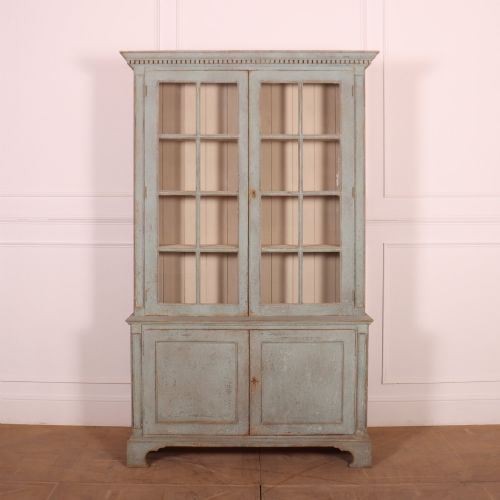
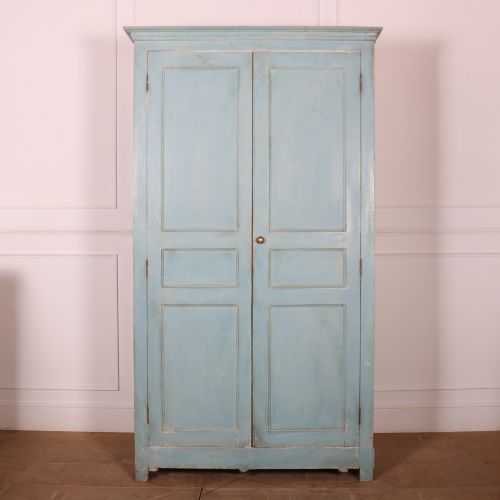
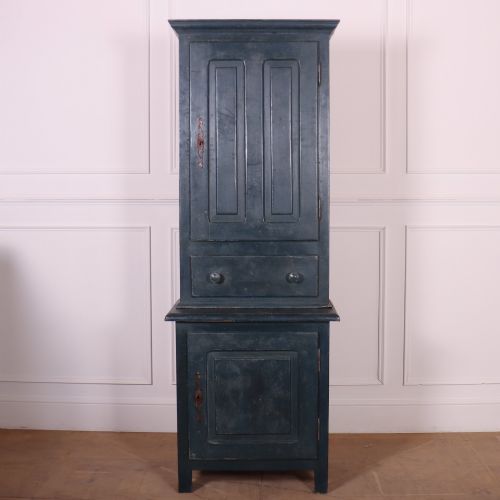
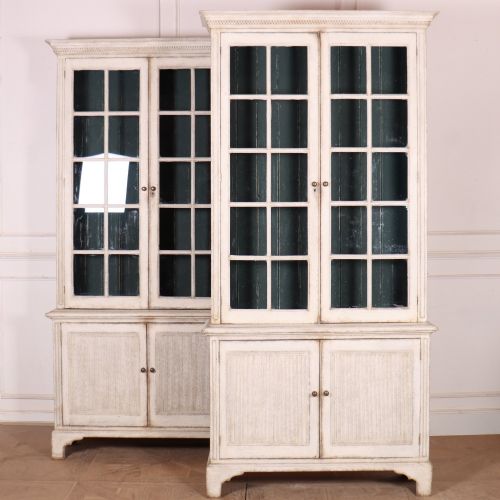
Tall Painted Cabinet
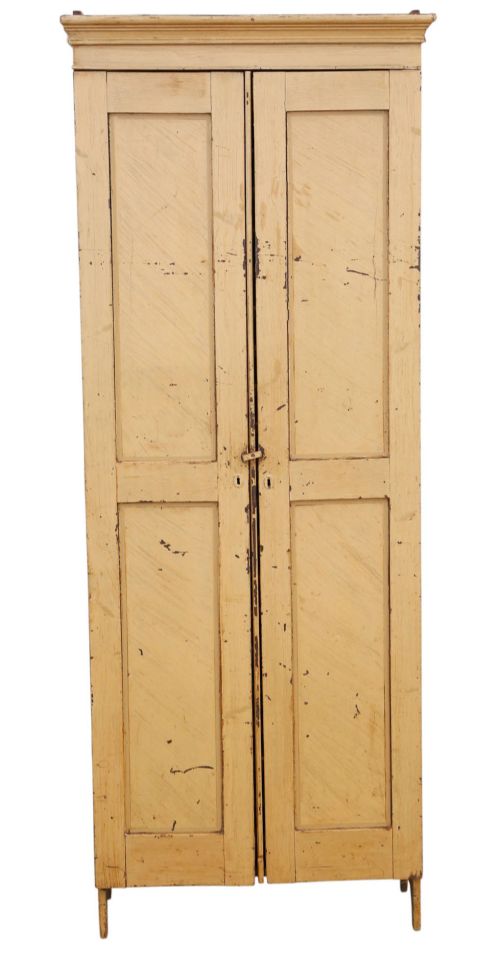
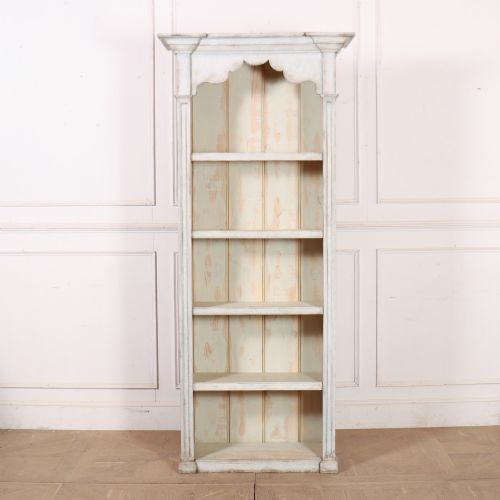
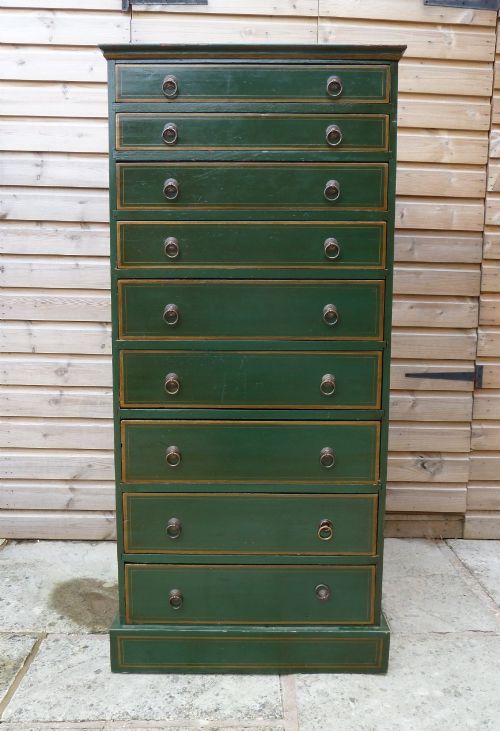
A tall painted cabinet brings vertical presence and colour to a room, offering practical storage disguised beneath layers of decorative pigment.
Tall Painted Cabinet
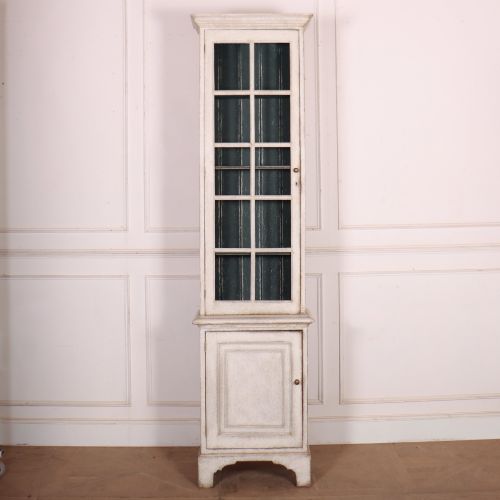
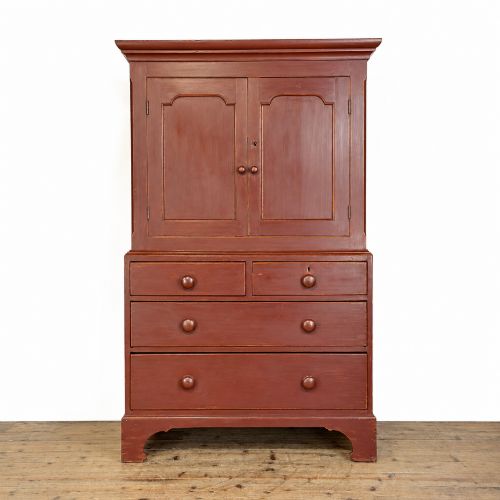
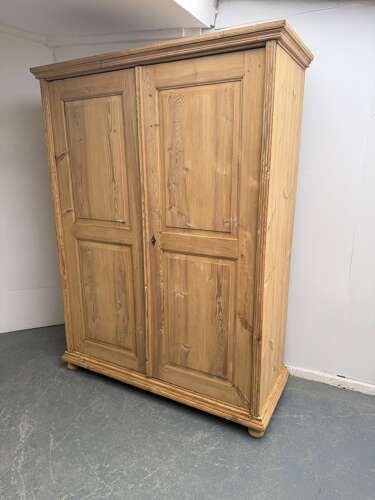
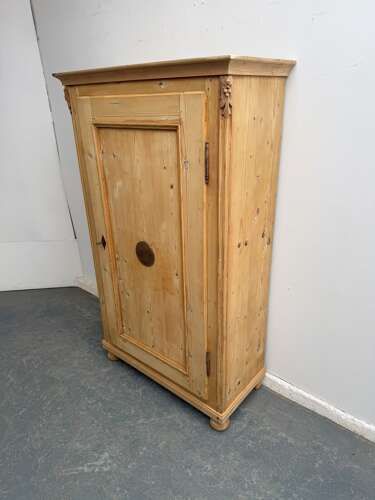
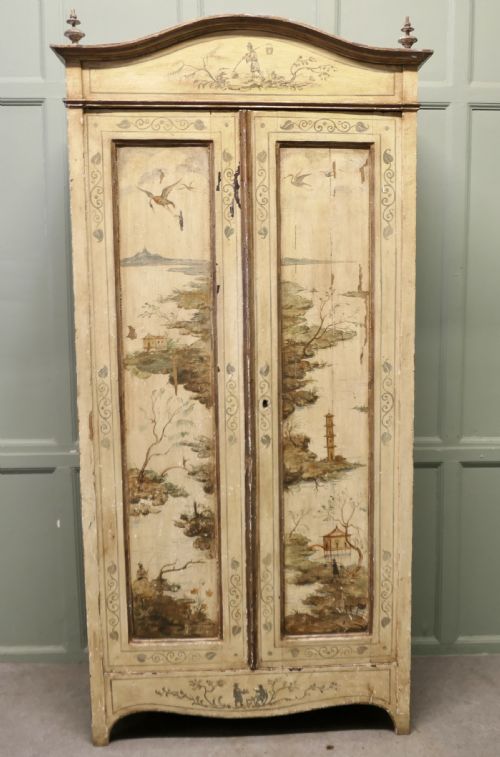
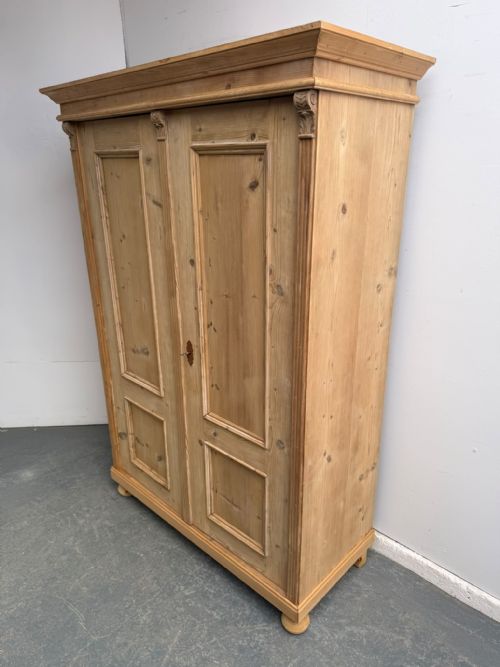
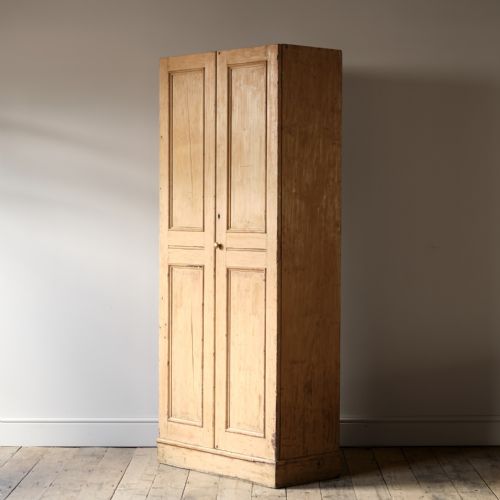
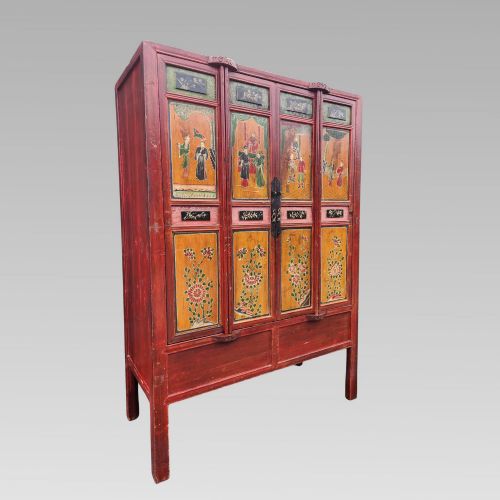
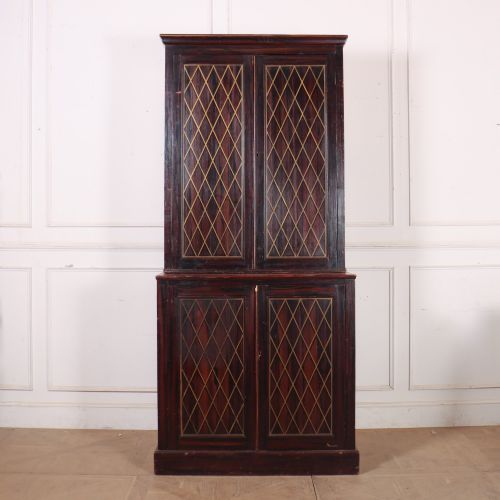
When you search for a tall painted cabinet, you encounter a diverse group of upright furniture designed to hold books, linen, kitchen provisions, or clothing. The listings show forms ranging from narrow Swedish and French bookcases to substantial English housekeeper's cupboards and Chinese marriage cabinets.
Victorian pine pieces dominate the selection, often discovered in kitchen, wardrobe, or display formats alongside continental interpretations from the eighteenth and nineteenth centuries. Regional traditions appear clearly in Scandinavian linen presses, French food cupboards, and Chinoiserie lacquer work decorated with outdoor scenes.
Buyers meet vertical storage solutions built for specific domestic duties, whether configured with single doors, multiple drawers, glazed upper sections, or open shelving. The underlying carcases span simple domestic pine to imported hardwood, unified by applied coats of paint, lacquer, or wax.
Materials and Construction
Makers built the structural carcases primarily using pine and various hardwoods, joining panels with traditional methods suited to domestic utility and prolonged use. Iron and brass hardware, including hinges and embellishments, secure doors and drawers while adding functional contrast to the wooden surfaces.
Decoration relied heavily on paint, lacquer, and applied pigments, ranging from muted cream finishes and railway grey tones to vibrant Chinese red lacquer. Glazed glass panels appear on display bookcases, while fielded panels and carved details provide architectural depth to cupboards and wardrobes.
Tall Painted Cabinet Retail Price Guide 2026
Typical asking prices for tall painted cabinet among the pieces listed under this phrase on Sellingantiques today, from the lower quarter to the upper quarter. They describe what is for sale here now, not the wider market.
Listings feature pine as the predominant structural material, supplemented by hardwoods, iron, and glass across Victorian and continental pieces.
Craftsmanship and Finish
The distinction between ordinary and superior pieces rests on the integrity of the original construction and the preservation of authentic surface finishes. Superior examples retain their early or original paint layers, uncompromised structural joints, and proportioned mouldings that reflect the maker's regional training.
Subtleties in proportion, such as narrow footprints or balanced door panels, separate standard utility furniture from finer architectural commissions like Swedish linen cupboards or French decorative armoires. The treatment of decorative scenes, whether hand-painted Chinoiserie motifs or carved pine details, determines the visual distinction of the piece.
The Tall Painted Cabinet Glossary
- Housekeeper's cupboard
- A large utilitarian storage piece traditionally used in substantial homes for linens and dry goods. These tall cupboards often combine upper cabinet doors with lower banks of drawers.
- Chinoiserie
- European decorative style reflecting Chinese artistic influences, frequently seen on cabinets decorated with outdoor scenes and red lacquer finishes. This style gained popularity across the eighteenth and nineteenth centuries.
- Linen press
- A tall storage unit designed specifically for folding and storing textiles, typically featuring sliding trays behind upper doors. Lower sections frequently incorporate a chest of drawers.
- Fielded panel
- A wooden panel with bevelled edges recessed into a surrounding frame, adding depth and structural stability to cabinet doors. This technique prevents wood warping across large surfaces.
- Gustavian
- Swedish neoclassical style characterised by restrained carving, pale painted finishes, and functional elegance. Pieces from this tradition often feature muted cream or grey palettes.
Tall Painted Cabinet: Frequently Asked Questions
What rooms suit a tall painted cabinet?
These upright pieces function effectively in kitchens for provisions, hallways for garments, or living spaces for books and display objects. Their vertical format maximises storage capacity while occupying minimal floor space.
Selecting a version with glazed doors creates a display focal point, whereas solid painted panels conceal everyday clutter cleanly.
How do I identify period painted finishes?
Original paint surfaces show subtle craquelure, natural wear patterns, and gentle fading consistent with age and environmental exposure. Later overpainting often obscures the texture of early timber underneath.
Examining corners, hinges, and interior surfaces reveals the sequence of decoration and helps distinguish factory finishes from domestic updates.
Can I use a kitchen cupboard in a bedroom?
Many surviving pieces originated as housekeeper's cupboards or pantry units but adapt readily to modern bedroom storage needs. Their deep shelving and internal drawer configurations accommodate folded garments and linens efficiently.
Their substantial height provides ample vertical volume without dominating the horizontal footprint of a sleeping space.
What is the difference between Swedish and French painted styles?
Swedish furniture from this category typically exhibits restrained neoclassical lines, pale painted surfaces, and functional simplicity. French provincial examples often incorporate more decorative carving, curved crests, and vibrant colour choices like railway greys or soft greens.
Both traditions utilise native timbers beneath their pigmented finishes, yet their regional mouldings remain distinct.