




Tall Narrow Gilt Mirrors
Tall narrow gilt mirrors bring vertical light and proportion to compact rooms, offering centuries of decorative history from Georgian pier glasses to Edwardian revivals.
Tall Narrow Gilt Mirrors
Tall narrow gilt mirrors span centuries of design, appearing across the Georgian, Victorian, and Edwardian periods alongside later 20th-century revivals. Buyers searching for tall narrow gilt mirrors typically encounter pier mirrors designed to hang in the narrow wall space between windows.
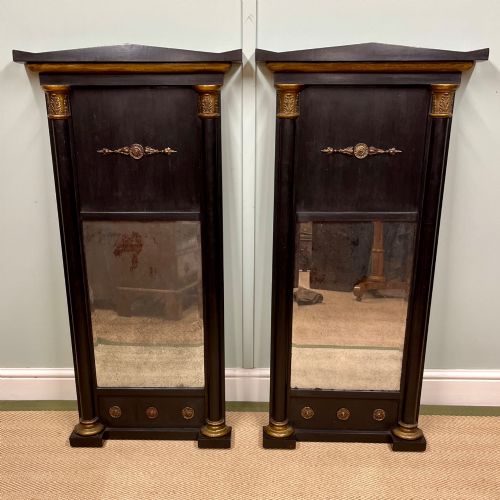
These pieces frequently adopt Neoclassical, Empire, and French Chateau styles, reflecting classical architectural influences. The forms include dedicated wall mirrors and pier glasses paired with console tables.
Origins range from English workshops to French makers, encompassing both authentic period items and faithful revival pieces from the early 20th century. The vertical emphasis remains consistent across these diverse historical iterations.
Materials and construction
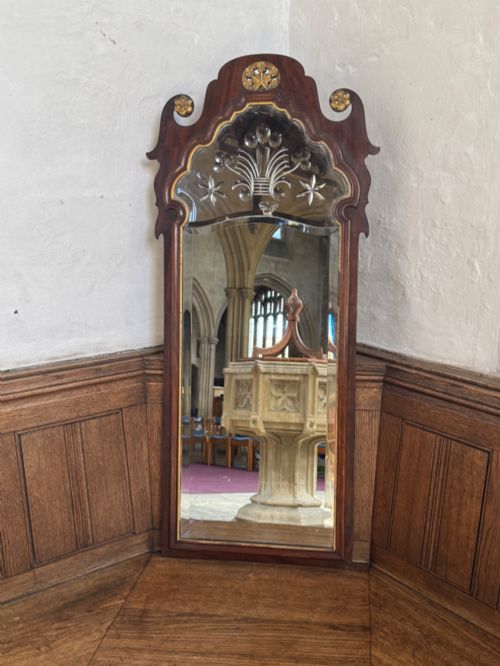
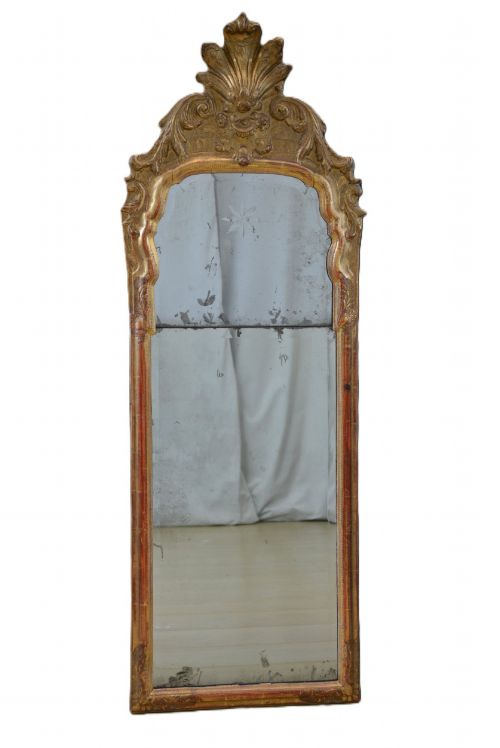
Frames rely on carved wood, gesso, and giltwood, with some examples utilising painted wood, mahogany, or gilt metal to build up intricate surface detail. Craftsmen applied layers of gesso over carved wooden foundations to receive gold leaf or gilding.
Glass plates include early techniques such as reverse cut plates, alongside standard reflective mirror glass fitted securely within the wooden carcasses. Joinery methods reflect the specific period of manufacture, from eighteenth-century construction principles to later revival techniques.
Early craftsmen occasionally hid subtle pencil marks behind the glass plate, leaving quiet signatures for future restorers to discover centuries later.
Evaluating craftsmanship and condition
Quality reveals itself in the crispness of the carved gesso decoration and the depth of the gilding applied to the wooden frame. Superior examples maintain intact ornamental detailing without heavy restoration obscuring the original profiles.
The integrity of the glass plate matters significantly, with older bevelled or reverse cut plates holding greater interest than modern replacements. Construction solidity at the joints ensures the frame supports the weight of the mirror glass safely over time.
John Belchier
The Tall Narrow Gilt Mirrors Glossary
- Pier mirror
- A tall narrow mirror designed specifically to hang on the pier, which is the solid wall space between two windows. These pieces often feature console tables placed directly beneath them.
- Gesso
- A plaster-like mixture applied to wood frames and carved to create ornate relief ornament before gilding. It provides the smooth foundation necessary for catching light.
- Parcel gilt
- A finishing technique where only specific raised portions of a wooden frame are gilded, leaving the underlying wood or paint visible elsewhere. This creates a contrasting two-tone appearance.
- Reverse cut plate
- A glass mirror featuring decorative incisions or engravings on the rear surface, creating a subtle visual depth when viewed from the front. This technique appears on period pieces.
- Giltwood
- Timber that has been coated with thin sheets of gold leaf over a prepared ground. It differs from gilt metal and painted alternatives by offering a warm, lustrous metallic sheen.
Tall Narrow Gilt Mirrors: Frequently Asked Questions
Where should I hang a pier mirror?
Pier mirrors suit narrow wall spaces, particularly the architectural gap between two windows where they historically reflected natural light into dark rooms.
They also function effectively in hallways, dressing rooms, and above console tables to create an illusion of greater ceiling height.
How do I identify a Georgian style mirror?
Georgian style mirrors typically display classical symmetry, parcel gilding, and architectural elements such as broken pediments or gilded scrollwork.
Many examples on this page date from later revival periods including the Edwardian era while strictly adhering to 18th-century design canons.
What is the difference between a pier glass and a wall mirror?
A pier glass specifically refers to a tall narrow mirror proportioned to fit the narrow wall space between windows in traditional domestic architecture.
General wall mirrors encompass a broader range of shapes and proportions without this specific architectural placement requirement.
Are these mirrors original period pieces?
The selection includes genuine antique pieces from the 18th and 19th centuries alongside high-quality revival pieces from the early 20th century.
Each listing specifies the exact period or style era to help buyers distinguish between original items and later interpretations.