





Tall Metal Candlesticks
Tall metal candlesticks are commanding lighting fixtures that anchor a room, bringing vertical presence and historical weight to a mantel or floor.
Tall Metal Candlesticks
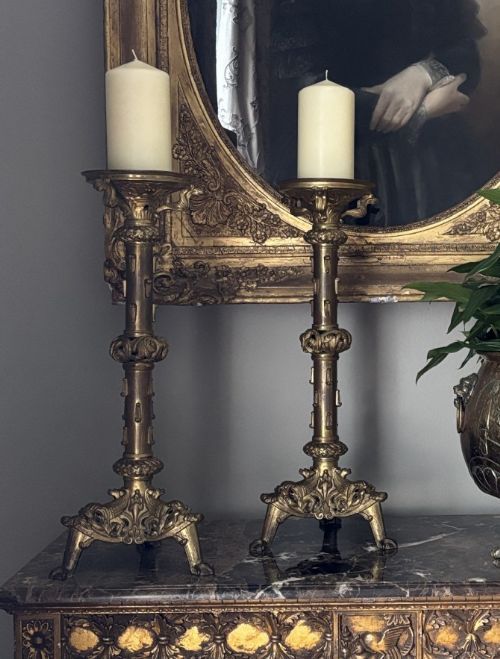
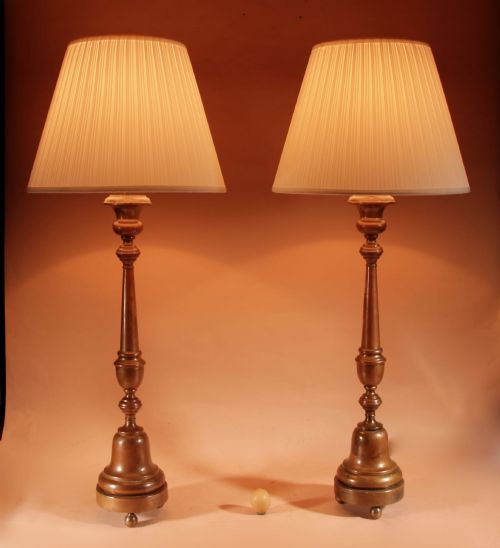
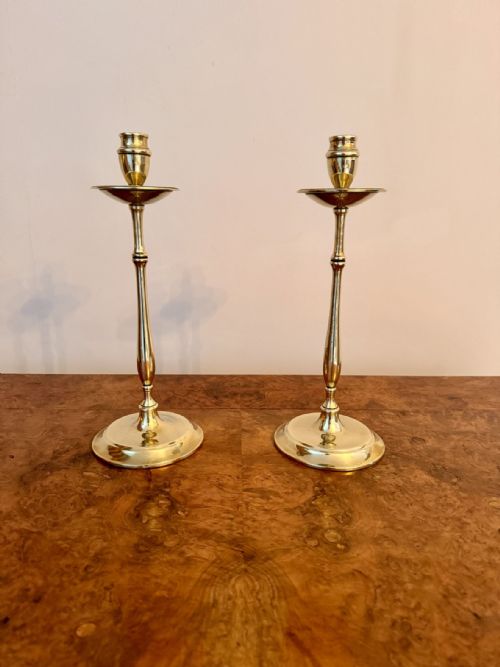
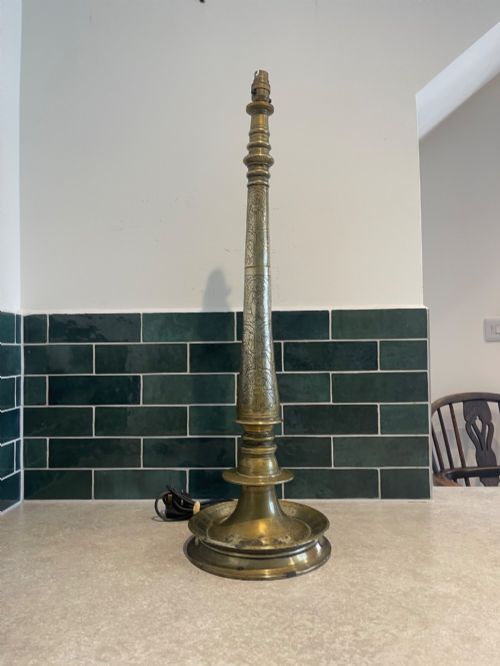
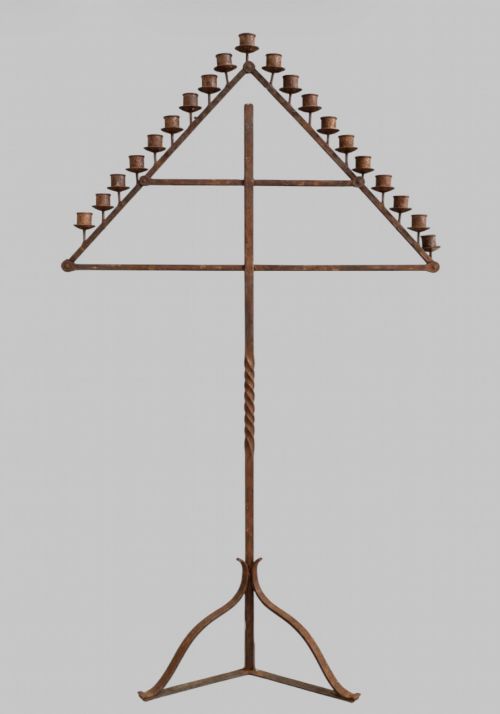
Tall metal candlesticks span several centuries of domestic and ecclesiastical lighting, taking the form of table candlesticks, floor candelabra, standard lamps, and altar lamps. These objects appear in periods ranging from the eighteenth century through the Victorian era and into the early twentieth century, including Edwardian, Art Deco, and Arts and Crafts examples.
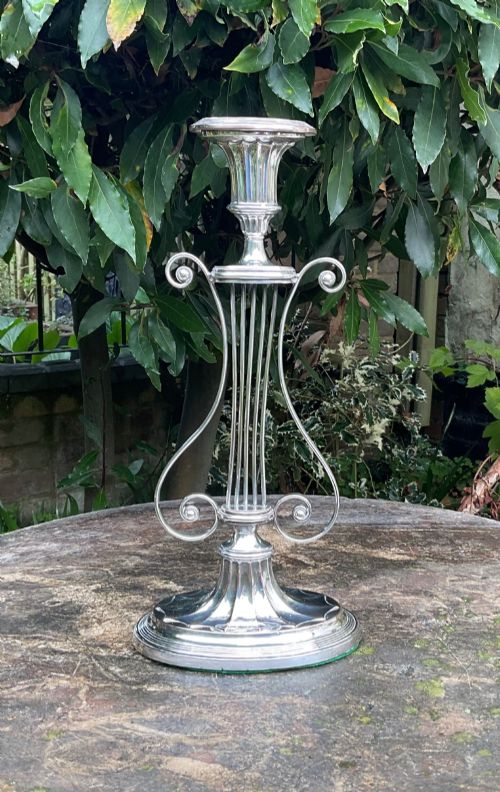
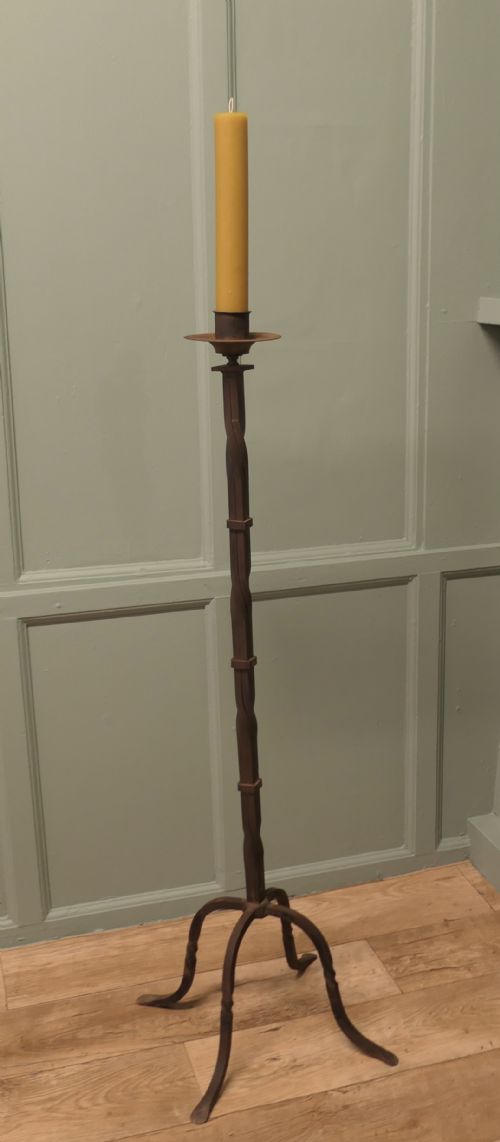
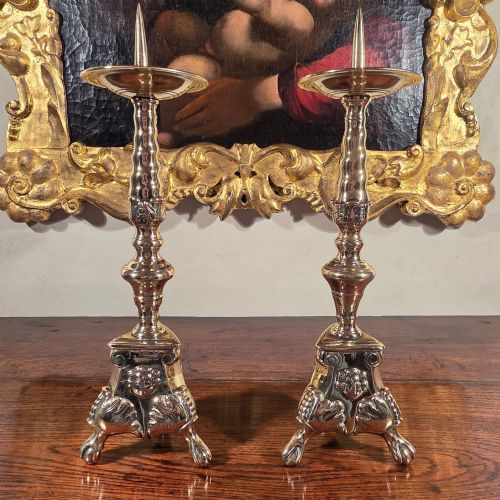
The materials utilised for these pieces are predominantly brass, wrought iron, bronze, and silver plate, alongside gilt metal, cast metal, and occasional combinations with hardwood. Forms vary from simple seamed columns and pricket candlesticks to architectural floor candelabra and Continental candle stands.
Buyers looking for tall metal candlesticks will most frequently encounter nineteenth-century and early twentieth-century brass pairs, alongside wrought iron floor pieces and silver-plated designs. Stylistic influences stretch from Gothic Revival and Baroque to Rococo Revival and Anglo-Indian designs.
What varies in quality
Quality in these pieces rests upon the precision of the casting, the weight of the metal utilised, and the integrity of the construction. Heavier gauge brass and solid bronze demonstrate superior material substance compared to lighter, thinner alternatives.
Hand-finished details, such as crisp chasing on brass or carefully forged joints on wrought iron, distinguish finer workshops from mass production. The presence of original surface finishes, whether patinated bronze, polished brass, or silver plate, preserves the visual integrity intended by the maker.
Tall Metal Candlesticks Retail Price Guide 2026
Typical asking prices for tall metal candlesticks among the pieces listed under this phrase on Sellingantiques today, from the lower quarter to the upper quarter. They describe what is for sale here now, not the wider market.
Listings feature brass as the most common material, alongside wrought iron, bronze, and silver plate across the nineteenth and early twentieth centuries.
James Clews·Barker Ellis
The Tall Metal Candlesticks Glossary
- Pricket candlestick
- A candlestick featuring a sharp metal spike on the drip pan to secure the candle, commonly found on ecclesiastical and older altar pieces.
- Seamed
- Describes metal objects constructed from separate sheets or cast sections joined together along a visible or finished seam.
- Candelabra
- A branched candlestick or lamp designed to hold multiple candles or light sources simultaneously.
- Silver plate
- A thin layer of silver applied to a base metal such as copper or brass to give the appearance of solid silver.
- Standard lamp
- A tall floor-standing lamp designed to provide ambient lighting in a room.
Tall Metal Candlesticks: Frequently Asked Questions
How do I clean antique brass?
Antique brass responds best to gentle dusting with a soft cloth to preserve its accumulated patina. Avoid harsh chemical cleaners that strip the historic surface.
For stubborn grime, mild soap and warm water applied sparingly will clean the metal without damaging the underlying alloy.
Were these used in churches?
Many tall metal candlesticks, particularly pricket forms and altar lamps, originated in ecclesiastical settings. Their height ensured visibility during services and ceremonies.
Over time, domestic interiors adopted these architectural forms for grand entertaining and lighting large rooms.
How do I date a brass candlestick?
Dating relies on manufacturing methods, such as the presence of seams from older production techniques versus modern machine threading. Base shapes, weights, and stylistic details like Gothic or Arts and Crafts motifs also indicate the period.
Maker marks or stamped registration numbers provide further chronological evidence when present on the base.
Can I use standard candles?
Most antique candlesticks accommodate specific taper diameters that may differ from modern standard candles. Measuring the nozzle or pricket width ensures a secure fit.
Whittling the base of a modern candle or using beeswax adapters helps secure slightly mismatched candles safely.