




Tall Marble Pedestal
A tall marble pedestal elevates sculpture, plants and lamps, bringing classical proportion and solid weight into a room.
Tall Marble Pedestal
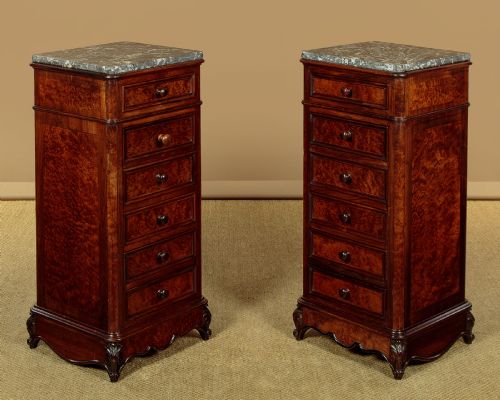
A tall marble pedestal serves primarily as a display column or plant stand, lifting decorative objects to eye level. When searching for a tall marble pedestal, buyers encounter pieces originating from the nineteenth and early twentieth centuries, spanning Victorian, Edwardian, and Neoclassical styles.
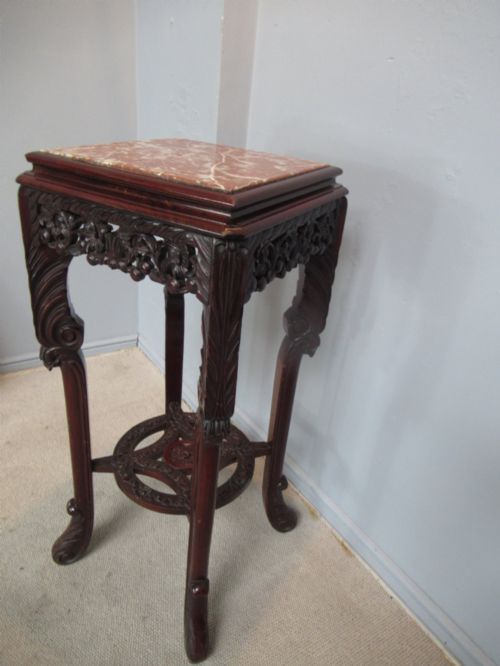
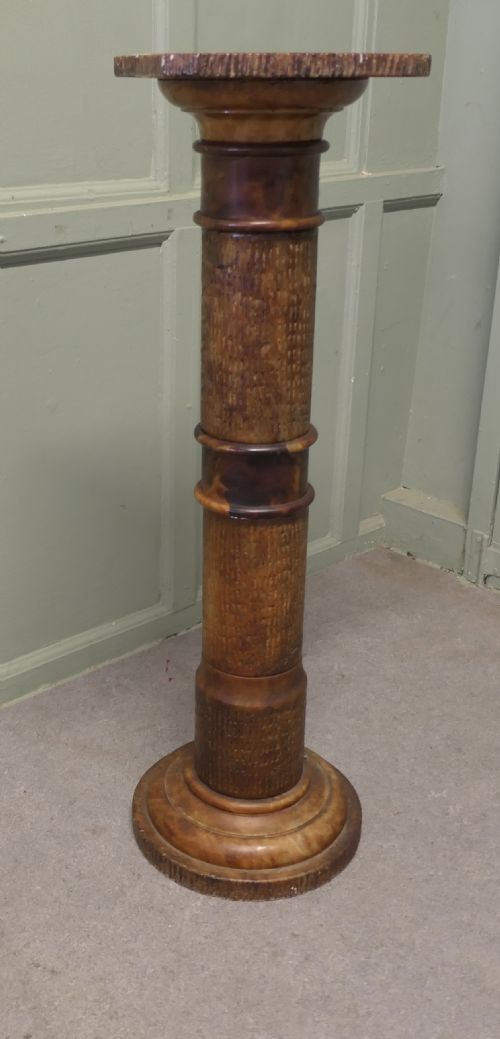
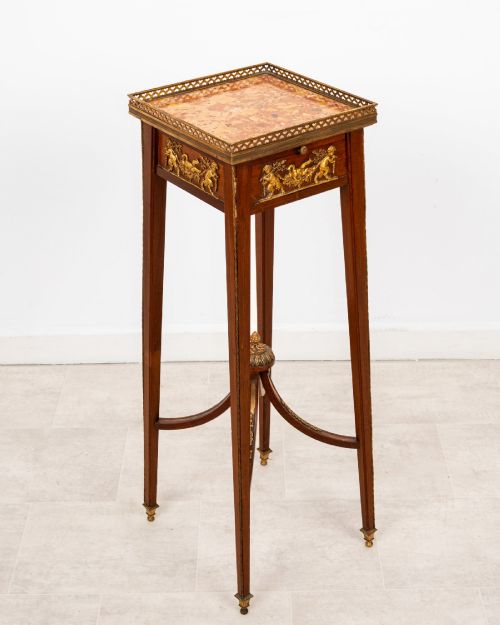
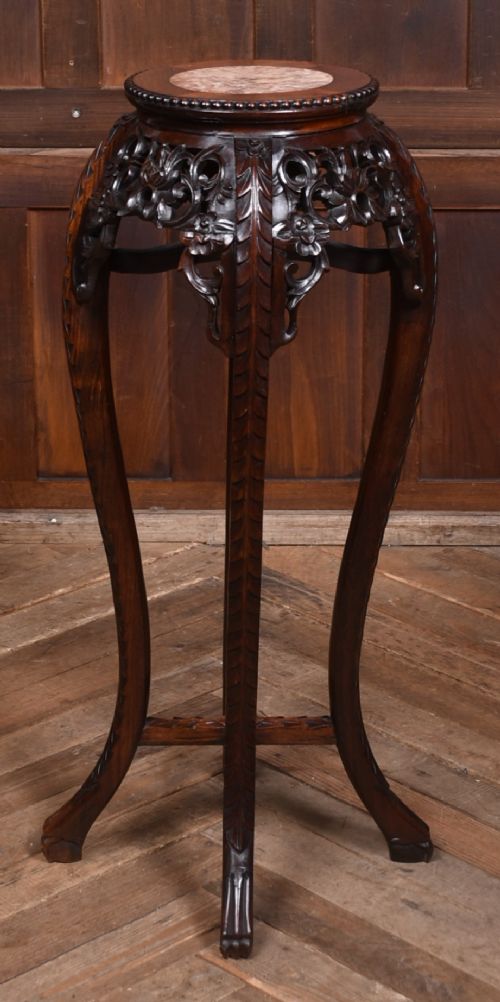
The form appears in various configurations, from monolithic stone columns to hardwood stands inset with marble, onyx, or alabaster tops. Chinese export pieces in Hongmu and oriental hardwood frequently feature stone insets, alongside European classical columns in statuary or honey-coloured marble.
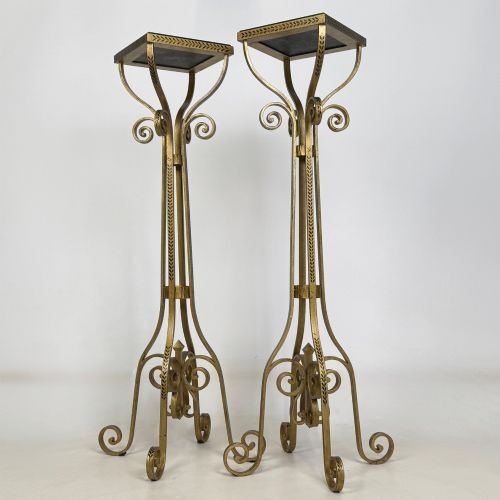
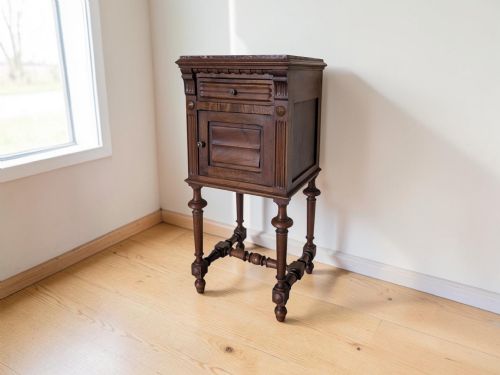
Beyond strict architectural columns, the category encompasses related display furniture such as jardiniere stands, torchieres, and occasional tables with stone surfaces. These objects function equally well supporting a bronze bust, a ceramic vase, or a table lamp.
Materials and construction methods
Makers combined natural stone with dense timbers such as mahogany, walnut, rosewood, and exotic oriental hardwoods. Stone surfaces utilised carrara, arabescato, onyx, and alabaster, shaped into solid blocks or sliced into thin inset panels.
Joinery techniques matched the functional demands of tall, narrow furniture, employing sturdy internal bracing and pegged joints to maintain stability. Wood components often received hand-applied polish, paint, or faux finishes to imitate more costly marbles.
Metal elements, including brass collars, mounts, and Corinthian capitals, were cast and turned to accent the stone and timber structures. Plaster and painted pine also appear, providing lightweight alternatives for decorative theatrical columns and torchieres.
Several pieces arrive ready to hold a potted fern, a bronze bust, or an evening candle.
Distinctions in craftsmanship and design
Quality rests upon the selection and figure of the marble and the underlying timber. Uniform veining in the stone and tight, stable joinery in the woodwork separate superior examples from standard utility pieces.
Carved detail dictates the distinction between ordinary stands and fine works, particularly in the crispness of acanthus leaves on capitals or the precision of mother-of-pearl inlay in hardwood frames. Heavier sectional columns require exact engineering to ensure the tiers align plumb and true.
The Tall Marble Pedestal Glossary
- Jardiniere stand
- A tall piece designed to hold a plant container or planter bowl, often fitted with a waterproof or stone top. These stands elevate heavy flora safely above floor level.
- Torchere
- A tall ornamental stand or candlestick originally intended to carry a torch or lamp. In later periods, the term describes slender pedestals used for displaying sculptural objects.
- Hongmu
- A modern Chinese term for dense, red-brown hardwoods used in traditional furniture making. It provides the rigid structural support required for heavy stone insets.
- Corinthian column
- An architectural order characterised by slender fluted shafts and ornate capitals decorated with acanthus leaves. This classical form frequently inspires decorative metal and stone pedestals.
- Faux marble
- A painted surface finish designed to simulate the appearance of genuine stone. Artisans applied glazes to pine or plaster substrates to mimic natural veining.
Tall Marble Pedestal: Frequently Asked Questions
What were tall marble pedestals used for originally?
These pieces served primarily to display art, plants, and lighting in formal reception rooms and hallways. Raising sculptures and vases to eye level allowed guests to examine fine details without bending down.
They also acted as architectural focal points within domestic interiors, breaking up long expanses of wall and adding vertical balance to room layouts.
How do I place a tall marble pedestal safely?
Position the pedestal on a flat, level surface away from high-traffic areas where it might suffer accidental knocks. Because stone tops carry significant weight, stability is paramount in homes with children or pets.
Distribute the weight of any displayed object evenly across the centre of the top surface. Heavy stone columns should remain on solid ground rather than thick carpets to prevent tilting.
How do I clean the marble top?
Dust the stone regularly with a soft, dry cloth to prevent abrasive particles from scratching the polished surface. Wipe spills immediately using plain water or a mild, pH-neutral soap.
Avoid acidic cleaning agents, vinegar, or citrus-based sprays, which etch and dull marble finishes. Polish the surface periodically with a specialised stone conditioner to maintain its lustre.
How can I tell the period of a pedestal?
Examine the tool marks, timber characteristics, and hardware beneath the piece or inside the joints. Nineteenth-century examples often display hand-turned elements and traditional joinery methods.
Compare the decorative style against documented design periods such as Neoclassical or Art Nouveau. Stylistic cues like brass mounts and specific wood selections help narrow down the decade of manufacture.