




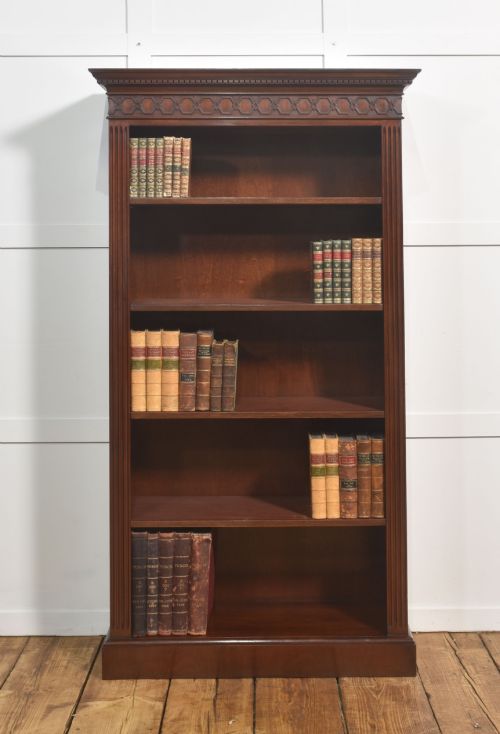
Tall Bookshelves
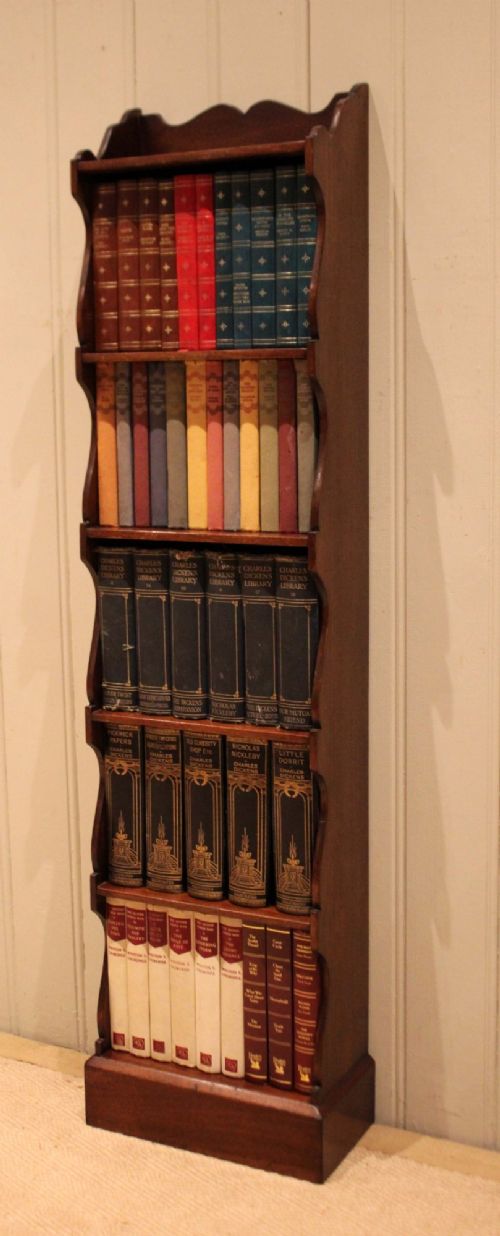
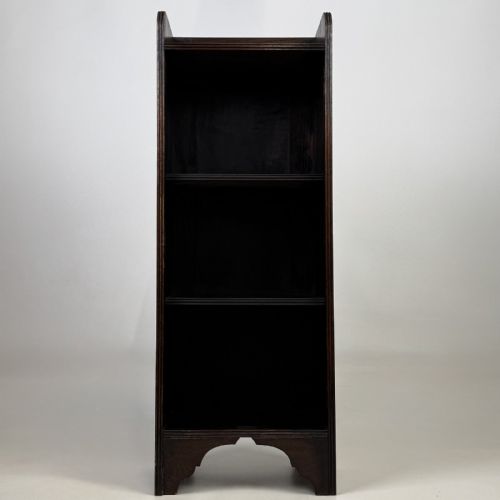
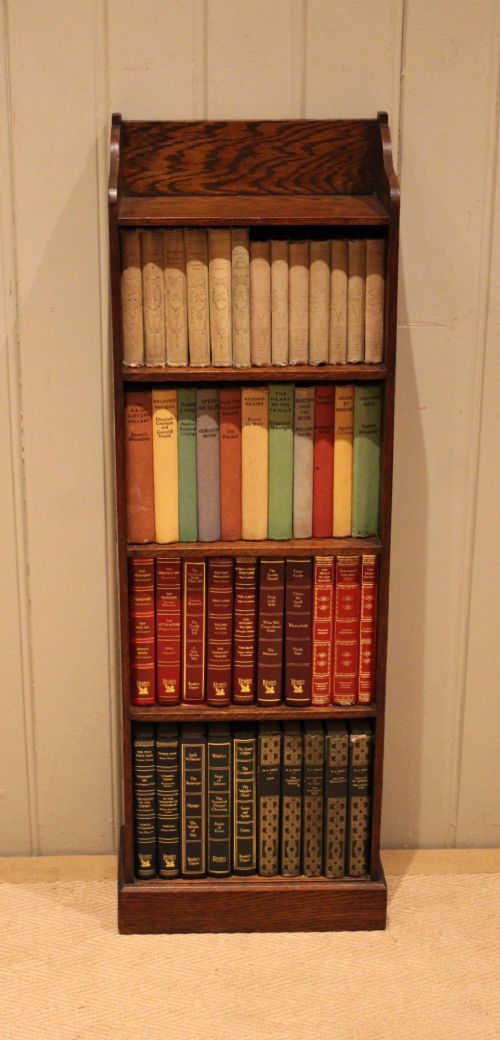
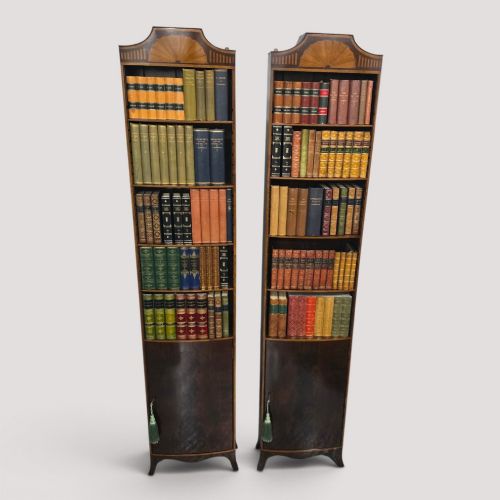
These tall bookshelves bring vertical storage into a room, offering sturdy timber frames designed to hold sizeable libraries.
Tall Bookshelves
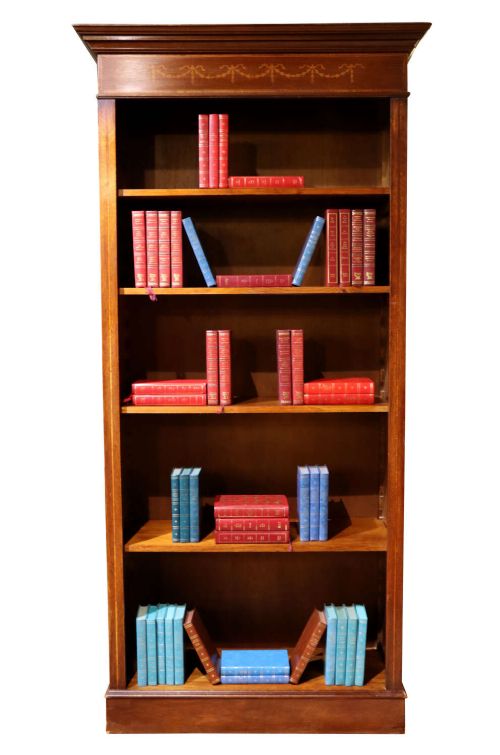
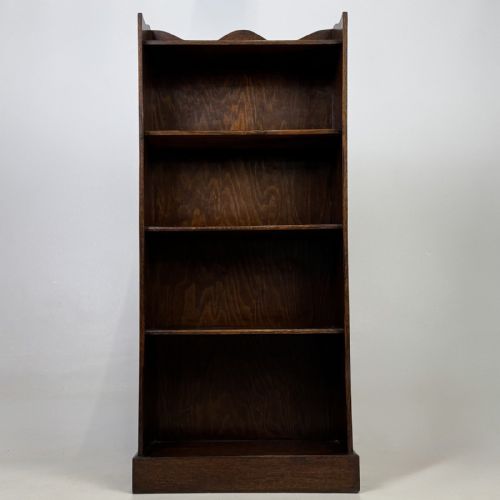
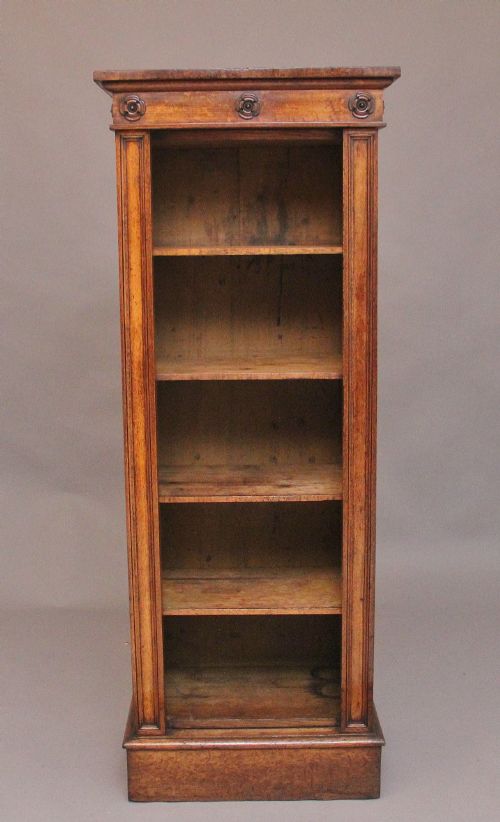
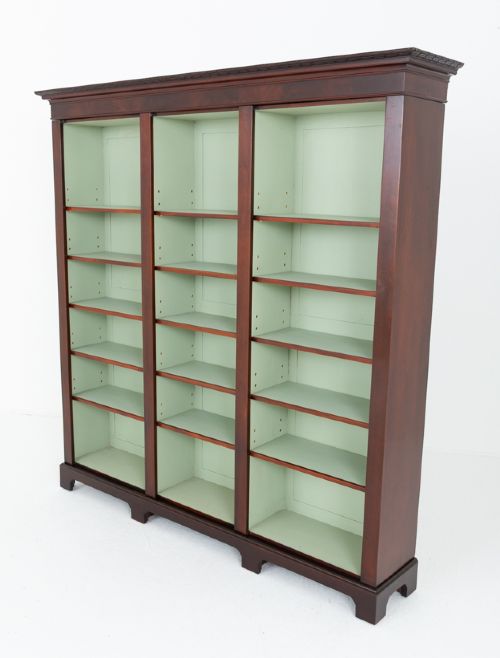
Tall bookshelves provide substantial vertical storage for collections of books and display items, using minimal floor space in domestic rooms. When searching for tall bookshelves, buyers encounter open formats constructed during the nineteenth and early twentieth centuries.
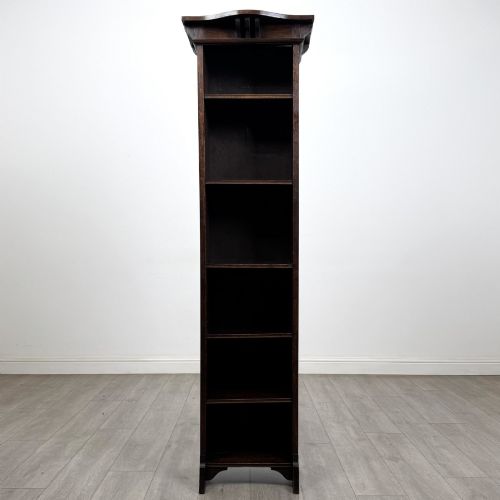
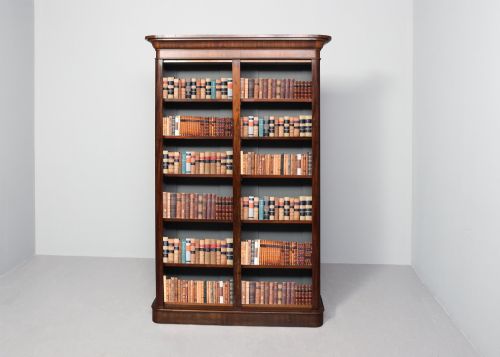
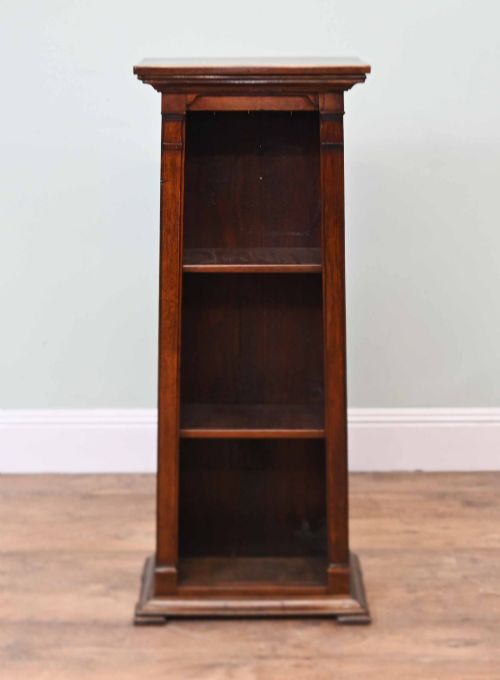
The pieces appearing on this page span several decades, featuring Victorian, Edwardian, and 1920s examples alongside Arts and Crafts designs. These items frequently manifest as open bookcases, fitted with adjustable shelves or decorative galleries at the top.
Makers and workshops produced these tall bookshelves in various regional styles, including Georgian revivals and Sheraton influences. Oak and mahogany dominate the selection, offering different visual weights and wood grains to suit traditional interiors.
How tall bookshelves were made
Cabinet makers built these tall bookshelves primarily using solid hardwoods such as oak and mahogany, alongside softer timbers like pine and deal. Construction methods relied on traditional joinery techniques to support the considerable weight of stacked volumes over vertical spans.
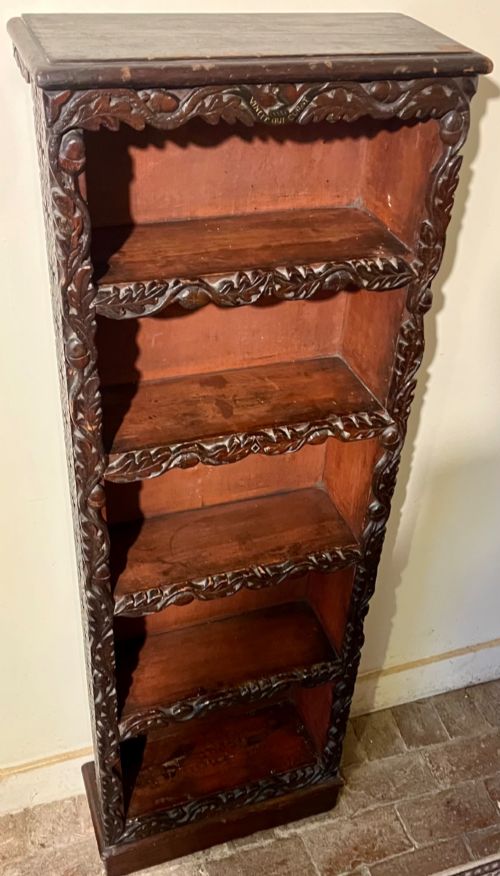
Surface finishes involved wax and polish applied to highlight natural wood grains, occasionally complemented by satinwood inlay or brass mountings. Carved details, dentil cornices, and raised galleries added decorative enrichment to the structural framework of the taller bookcases.
Tall Bookshelves Retail Price Guide 2026
Typical asking prices for tall bookshelves among the pieces listed under this phrase on Sellingantiques today, from the lower quarter to the upper quarter. They describe what is for sale here now, not the wider market.
Several bookcases feature raised galleries on top, presumably to stop adventurous house cats from sleeping dangerously close to the ceiling.
What varies in quality
Quality in these tall bookshelves depends on the selection of timber and the precision of the joinery used to secure the uprights and shelves. Better examples display carefully matched wood grains, robust structural integrity, and well-executed decorative elements like inlaid banding or carved cornices.
The integration of adjustable shelving mechanisms demonstrates higher manufacturing standards, allowing individual shelf heights to shift smoothly without compromising the overall stability of the tall bookcase.
WYLIE LOCHHEAD of GLASGOW·E.A. TAYLOR
The Tall Bookshelves Glossary
- Gallery
- A raised decorative border or low railing positioned along the top edge of a bookcase to prevent items from sliding off.
- Dentil cornice
- A classical architectural moulding featuring small, equally spaced rectangular blocks resembling teeth along the upper projection.
- Adjustable shelves
- Internal horizontal boards resting on movable supports that allow the vertical spacing to be altered for different book sizes.
- Satinwood inlay
- Contrasting pale timber inserted into the primary wood surface to create decorative patterns and geometric borders.
- Arts and Crafts
- A design movement prioritising visible construction, simple forms, and honest materials over heavy factory ornamentation.
Tall Bookshelves: Frequently Asked Questions
How do I measure for a tall bookcase?
Measure the available vertical clearance and floor depth in your room, allowing extra space for decorative cornices or projecting baseboards.
Check that the ceiling height accommodates the upper section without obstructing architectural mouldings or lighting fixtures.
Are the shelves usually adjustable?
Many period examples include adjustable shelving systems using wooden notches, metal pegs, or vertical slots.
This adaptability accommodates varying book heights and allows the interior arrangement to change over time.
Which woods are most common?
Oak and mahogany appear most frequently among the surviving pieces, offering robust structures and distinct grain patterns.
Pine and deal serve as lighter alternatives, while walnut and satinwood details add decorative contrast.
How do I style a tall bookcase?
Balance heavy rows of vertical volumes with horizontal book stacks and decorative objects to break up the visual mass.
Leave small gaps around items to let the timber back panels and overall proportions remain visible.