

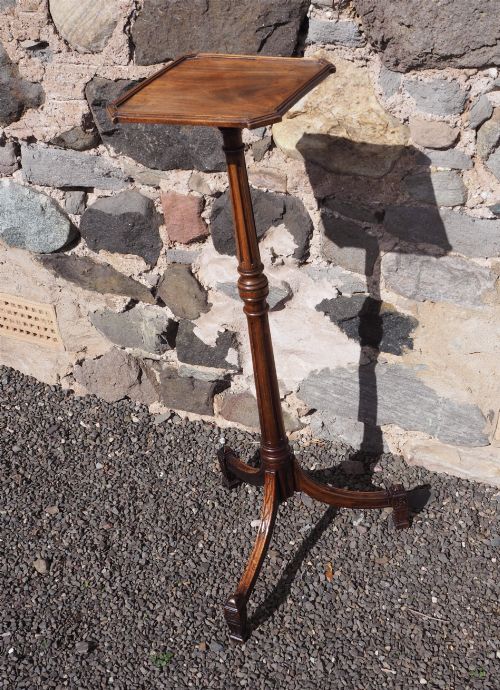


Tall Plant Holder
These tall antique plant holders elevate greenery and flowers in interiors, drawing the eye upward with period craftsmanship.
Tall Plant Holder
A tall antique plant holder brings height and architectural presence to botanical displays inside the home or conservatory. Buyers searching for a tall antique plant holder encounter various forms ranging from slender wood pedestals to sturdy coopered containers.
The selections span distinct historical eras, including the Edwardian period, Victorian era, and the eighteenth century. Common formats include torcheres, jardiniere stands, and column pedestals designed to support potted plants or lanterns.
How they were made
Cabinetmakers utilised traditional timber construction, shaping materials such as mahogany, oak, walnut, and satinwood inlay. Coopered construction appears in wooden barrel planters, binding staves together with metal bands.
Metalwork plays a key role through forged wrought iron and cast brass elements. Brass jardiniere bowls often sit atop dedicated metal or wooden stands, sometimes accented with intricate inlay or turned twist motifs.
Tall Plant Holder Retail Price Guide 2026
Typical asking prices for tall plant holder among the pieces listed under this phrase on Sellingantiques today, from the lower quarter to the upper quarter. They describe what is for sale here now, not the wider market.
Period origins span from the eighteenth century through the Victorian and Edwardian eras into the early twentieth century.
What varies in quality
Quality rests upon the harmony of proportions and the integrity of the structural joinery. Slender stems and pedestals require robust internal stability to safely support heavy soil and potted plants.
Refinement of surface detail distinguishes finer examples, from crisp wood turning and satinwood inlay to well-executed brass work and coopered staves. Original pairing of bowls with their matching stands also elevates a piece.
The Tall Plant Holder Glossary
- Torchere
- A tall, slender stand originally designed to hold a candle or light source, frequently adapted for plants. These decorative columns elevate greenery to eye level.
- Jardiniere
- An ornamental pot or container for plants and flowers. They often rest upon dedicated tall stands or legs.
- Coopered
- Made by assembling curved wooden staves bound together with metal hoops, similar to barrel construction. This technique creates waterproof or sturdy plant containers.
- Barley twist
- A decorative turning technique resembling a spiralling rope carved into wood. This style appears frequently on table legs and plant stand stems.
- Campaign washbowl stand
- A portable piece of furniture originally designed for travel, featuring folding or modular elements. These utilitarian stands find new purpose holding basins and plants.
Tall Plant Holder: Frequently Asked Questions
How were these stands used historically?
These tall stands positioned heavy plants and floral arrangements away from cold floors and closer to natural window light. They served both functional and decorative roles in grand reception rooms, hallways, and conservatories.
Over time, specific forms evolved from lighting supports into dedicated plant holders. Their elevated stature allowed trailing foliage and blooming flowers to be showcased effectively.
Are these stands suitable for modern plants?
Most antique stands accommodate modern ceramic or plastic nursery pots if fitted with a protective saucers. Their sturdy timber and metal frames provide reliable support for typical indoor houseplants.
Care should be taken to protect antique wood surfaces from moisture and water rings. Using inner liners ensures the historic materials remain safe during routine watering.
How do I identify an Edwardian stand?
Edwardian stands often feature lighter timbers like mahogany and incorporate subtle Art Nouveau motifs. Their lines tend to be cleaner and less heavy than earlier Victorian counterparts.
They frequently display delicate satinwood inlay or tapered legs characteristic of early twentieth-century design. Construction remains refined while maintaining structural utility for domestic greenery.