



Tabriz Floor Rug
A tabriz floor rug anchors a room with Persian tradition, offering intricate patterns woven to last generations.
Tabriz Floor Rug
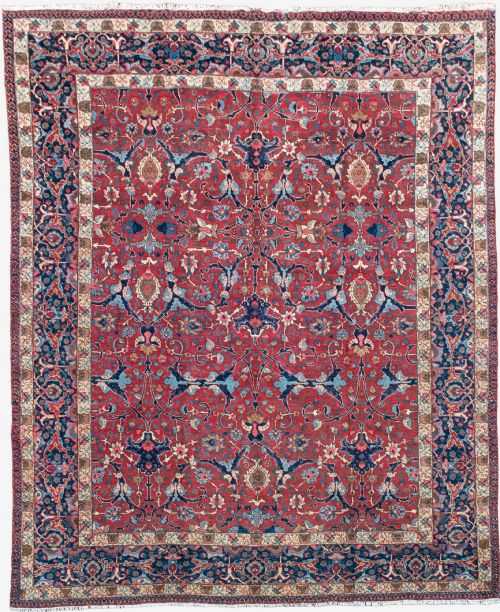
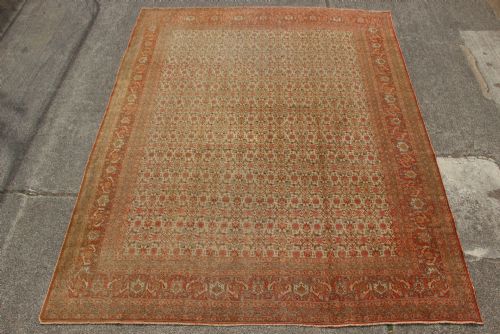
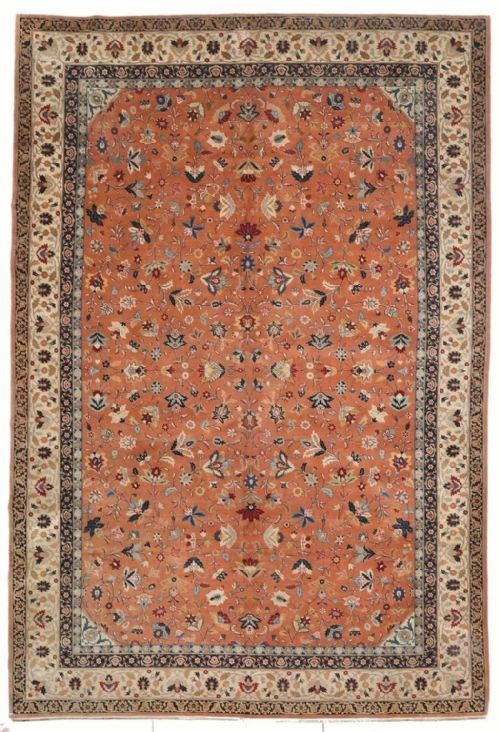
A tabriz floor rug represents a distinguished tradition of Persian weaving originating from the northwest region of Persia. These floor coverings range from smaller area rugs to room-size carpets designed to anchor large spaces.
The pieces encountered most frequently on this page date from the late nineteenth century through the early twentieth century, spanning decades such as the eighteen-eighties, eighteen-nineties, nineteen-hundreds, and nineteen-twenties.
Makers in this tradition produced works featuring classic floral designs, traditional floral medallion layouts, and unusual overall patterns. Buyers will find both grand roomsize carpets and more compact village rugs suited to varied interior layouts.
Materials and Construction
The pieces recorded in the evidence utilise natural materials, predominantly wool and cotton, alongside occasional examples executed in silk. Weavers combined these materials to build resilient foundations and soft, dense pile surfaces.
Wool provided the durable pile required for heavy daily use, while cotton foundations offered structural stability to large roomsize carpets. Select examples incorporated silk to achieve finer detail and a lustrous sheen across the field.
Tabriz Floor Rug Retail Price Guide 2026
Typical asking prices for tabriz floor rug among the pieces listed under this phrase on Sellingantiques today, from the lower quarter to the upper quarter. They describe what is for sale here now, not the wider market.
Some carpets travelled across continents by steamship before ever finding themselves laid out on a grand country house floor.
Judging Quality and Execution
The fineness of the weave and the complexity of the floral medallion design distinguish superior examples from standard production. Master workshops achieved remarkable precision in translating intricate classical motifs onto the loom.
Attribution to notable master workshops or specific historical periods elevates certain carpets within the tradition. The integrity of the materials, from the grade of the wool to the survival of the original cotton foundation, governs the overall standard.
Haji Jalili·Benlian
The Tabriz Floor Rug Glossary
- Tabriz
- A historic centre of carpet weaving located in north-west Persia known for refined technique and classical floral designs. These rugs reflect centuries of sophisticated design development.
- Medallion
- A central ornamental motif placed in the middle of the carpet field, frequently surrounded by floral elements. This layout forms the focal point of traditional Persian composition.
- Foundation
- The underlying structure of warp and weft threads that supports the knotted pile. Cotton serves as the standard foundation material for these Persian carpets.
- Pile
- The vertical tufts of wool, silk, or cotton that form the soft surface of the rug. The density and height of this pile determine the tactile feel underfoot.
- Village Rug
- A piece produced in a regional community rather than a formal city workshop, often displaying more relaxed or spontaneous overall designs. These works carry distinct local character.
Tabriz Floor Rug: Frequently Asked Questions
How do I care for a tabriz floor rug?
Protect the wool and cotton pile by vacuuming gently without a rotating brush bar. Rotate the carpet periodically to ensure even wear across the room.
Keep the textile away from direct, harsh sunlight to preserve the natural tones of the dyes. Professional cleaning is recommended when the fabric requires deeper maintenance.
Where were these carpets made?
These floor coverings originate from Tabriz and the surrounding north-west region of Persia. The area has long maintained a reputation for sophisticated carpet production.
City workshops and regional village centres both contributed to the output seen in these historical periods. Each origin imparted distinct stylistic nuances to the finished textile.
How do I date a tabriz floor rug?
Examine the materials, structure, and stylistic conventions visible in the weave to estimate the period of manufacture. Pieces on this page span from the late nineteenth century into the nineteen-thirties.
Certain master signatures or specific structural characteristics can help narrow the timeframe. Consulting the recorded production eras provides a reliable baseline for comparison.
What is a room size carpet?
A room size carpet is a larger textile designed to cover a substantial portion of a floor, often measuring over three metres in length. These pieces served to anchor major entertaining spaces and formal interiors.
Smaller formats, such as area rugs, fit into more compact areas like studies or bedrooms. Both scales utilise the same traditional floral vocabulary.