





Tabletop Collector Case
These tabletop collector cases bring order to small treasures, offering glass-fronted protection that sits comfortably on a desk or counter.
Tabletop Collector Case
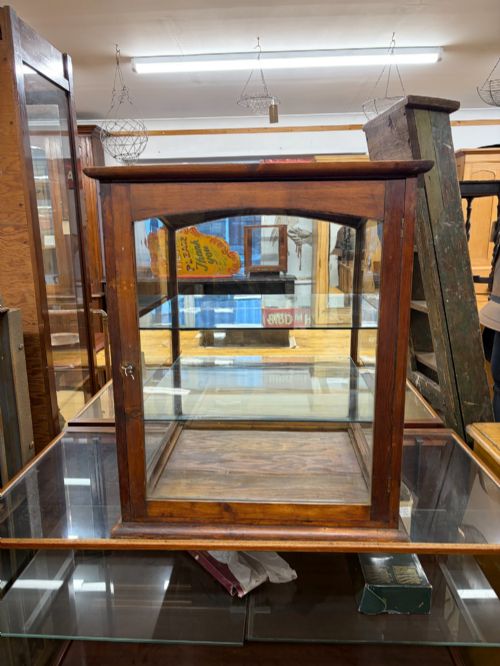
A tabletop collector case provides a compact home for specimens and curiosities, designed to sit directly on counters or furniture rather than standing on the floor. When browsing these items, expect to encounter countertop display cabinets alongside dedicated specimen chests and tabletop cabinets.
The pieces available span from the Victorian era through the Edwardian period and into the nineteen-twenties and thirties. Makers of these countertop units served shops and private homes alike, resulting in forms ranging from apothecary drawers to glazed exhibition boxes.
Origins stretch across English workshops and Chinese production from the republic period, utilising woods such as mahogany, oak, walnut, rosewood, and pine. Such variety ensures a suitable match for both commercial and domestic interiors.
Materials and construction
Cabinet makers relied predominantly on solid hardwoods like mahogany, oak, and walnut, frequently housing them with glazed panels to protect contents from dust while maintaining visibility. Brass hardware, including hinges, pulls, and label holders, appears regularly to secure and accent the timber frames.
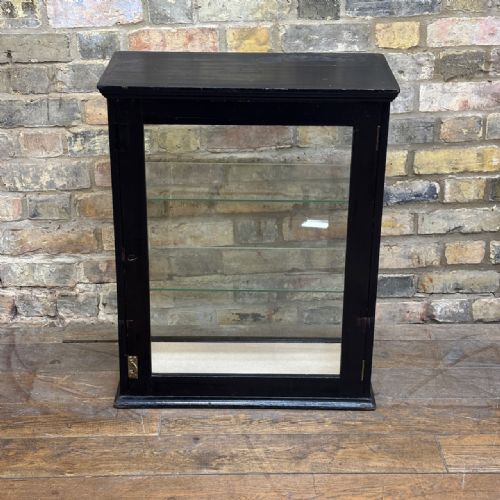
Interiors often incorporate felt linings or fitted wooden drawers, providing a stable bed for delicate specimens and small artefacts. Ebonised finishes and burr walnut veneers demonstrate the range of surface treatments applied to the underlying wooden structures.
Tabletop Collector Case Retail Price Guide 2026
Typical asking prices for tabletop collector case among the pieces listed under this phrase on Sellingantiques today, from the lower quarter to the upper quarter. They describe what is for sale here now, not the wider market.
Some apothecary units still harbour faint herbal aromas from their chemist days.
Distinguishing quality in construction
Quality rests in the precision of the joinery and the selection of timber veneers, where burr walnut and figured mahogany elevate a simple utility box into a polished furnishing. Superior examples display tighter tolerances in door closures and cleaner glass fitting.
The integration of functional elements, such as smoothly operating drawers with original brass fittings and intact internal felt, separates standard commercial pieces from finer domestic display cases.
The Tabletop Collector Case Glossary
- Countertop display cabinet
- A glazed box designed to sit upon shop counters or tables for merchandise or specimen viewing. These units typically feature hinged or sliding doors.
- Specimen case
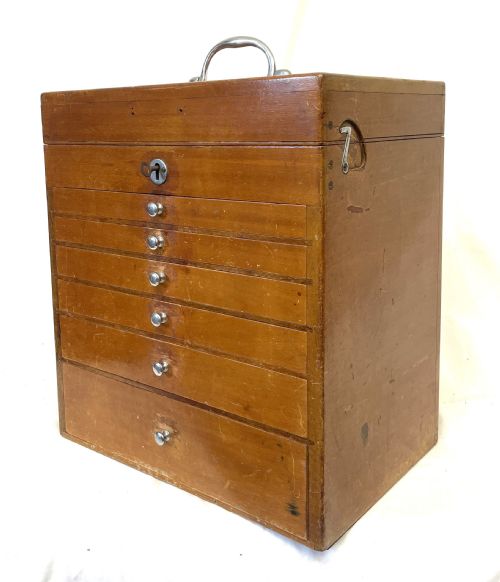
- A specialised chest or box intended for housing natural history or art objects. They frequently incorporate multiple shallow drawers or partitioned compartments.
- Burr walnut
- A highly figured wood veneer prized for its swirling grain patterns. It appears on select Victorian and Edwardian case furniture.
- Apothecary cabinet
- A set of small drawers originally utilised by chemists for storing medicines and ingredients. Collectors value them for organizational utility.
- Ebonised
- Wood treated with a dark stain or finish to imitate ebony. This technique creates a stark, formal appearance on twenty-first-century and earlier frames.
Tabletop Collector Case: Frequently Asked Questions
What fits inside a tabletop collector case?
These cases accommodate small treasures such as coins, medals, stamps, and natural history specimens.
They serve collectors who wish to keep delicate items organised and visible without needing large floor-standing furniture.
How do I date an oak countertop cabinet?
Dating relies on examining the timber preparation, hardware styles, and joinery techniques used throughout the piece.
Edwardian and nineteen-twenties examples often show machine-sawn timber elements alongside traditional hand-cut joints.
Are these cases suitable for retail use?
Many of these pieces originated as shop display counters and retain the durability required for commercial environments.
Their glazed panels and compact footprints make them practical for showcasing small goods securely today.
How should I clean the glass and wood?
Use a soft, dry cloth for the wooden surfaces to preserve polish and finishes without introducing moisture.
Standard glass cleaner applied sparingly to a cloth works well for the display windows.