

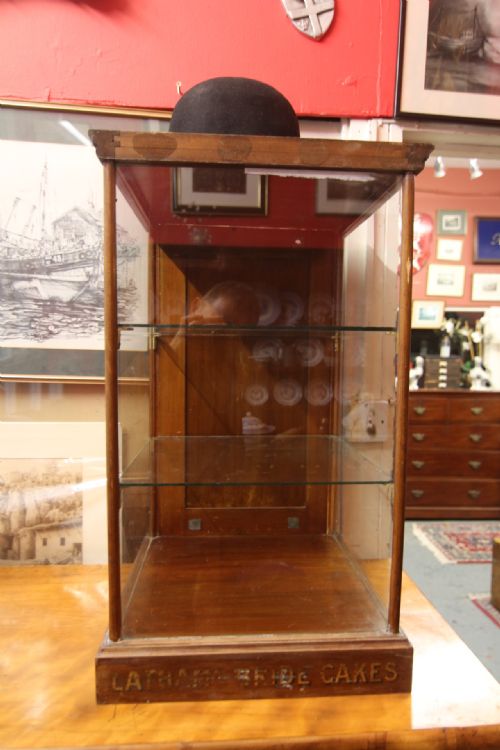



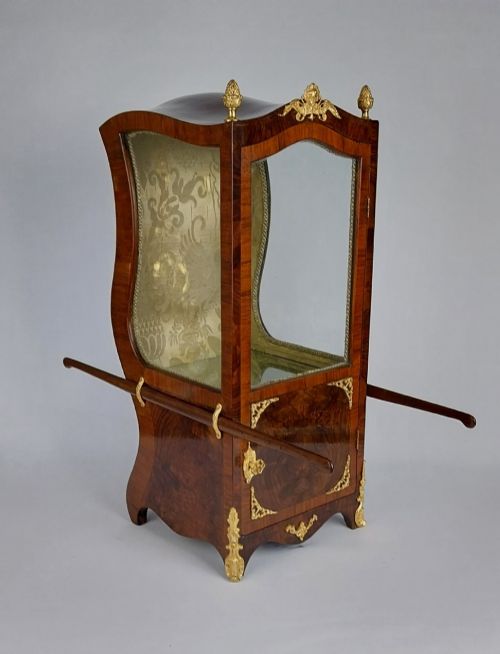


Table Top Showcase
These table top showcase pieces are compact glazed cabinets designed to protect and display small treasures right on top of a larger surface.
Table Top Showcase
A table top showcase sits upon a desk, counter or chest, lifting small objects into the line of sight behind glass panels. When you search for a table top showcase, you encounter forms ranging from simple countertop shop counters to refined domestic vitrines and bijouterie tables. These pieces serve to exhibit delicate items safely while keeping them close at hand.
The selections span the nineteenth century through the early twentieth century, taking in Victorian, Edwardian, and French revival designs. You meet mahogany display tables, glass cases, and specific shop fittings alongside domestic bijouterie pieces. Each version reflects the specific display needs of its original era, whether for retail commerce or private drawing rooms.
Domestic examples often feature hinged lids for accessing interior compartments lined in fabric, velvet or felt. Commercial iterations tend to use hinged doors or glazed boxes intended for merchandise on a shop counter. Both types rely on timber framing and clear glass to keep contents visible yet secure.
Materials and construction
Cabinetmakers built these frames predominantly using solid or veneered mahogany and exotic timbers like kingwood, often embellished with brass fittings and ormolu mounts. Glass provides the primary viewing panels, held securely within rebated wooden frames or metal surrounds. Interiors are commonly lined with soft textiles such as velvet, felt or patterned fabric to cushion displayed items.
Construction techniques combine traditional cabinet joinery with specialised glazing methods suited to small-scale display cases. Ormolu mounts and brass hinges are screwed directly to the timber carcasses, while painted decoration or inlaid woodwork embellishes finer decorative surfaces. Commercial shop fittings utilise robust timber construction to withstand daily retail use.
Table Top Showcase Retail Price Guide 2026
Typical asking prices for table top showcase among the pieces listed under this phrase on Sellingantiques today, from the lower quarter to the upper quarter. They describe what is for sale here now, not the wider market.
One unexpected survivor bears later sign-written detail for Breitling watches, hinting at a bustling mid-century jewellery shop counter.
Judging quality and execution
Quality reveals itself in the crispness of the timber joinery, the selection of figured mahogany or kingwood veneers, and the refinement of any painted or inlaid decoration. Finer examples display meticulous attention to detail in their brass or ormolu mounts and the smooth operation of hinged lids and doors. Commercial pieces prioritize sturdy utility, whereas domestic bijouterie tables emphasise decorative elegance.
The integration of the glass panels and the condition of the original fabric, velvet or felt linings heavily influence the character of each piece. Superior execution avoids clumsy repairs or replacement glass, retaining the original hardware and structural integrity that mark a well-made cabinet.
Quincy Showcase Works Illinois
The Table Top Showcase Glossary
- Bijouterie table
- A glass-topped table designed specifically for displaying small valuables, trinkets and jewellery. These pieces typically feature a hinged lid and a lined interior compartment.
- Vitrine
- A glass cabinet or display case used for exhibiting fine objects and curiosities. They range in scale from floor-standing furniture to compact table top versions.
- Ormolu
- Gilt bronze ornamentation applied to furniture and decorative objects. This technique involves coating bronze with finely ground gold amalgam.
- Kingwood
- A dense, heavy tropical timber prized for its rich dark colour and distinct figuring. Makers utilised it for high-end veneering on decorative furniture.
- Inlay
- A decorative technique where contrasting materials are inserted into recessed cavities within a wooden surface. It often creates geometric or floral patterns on Edwardian furniture.
Table Top Showcase: Frequently Asked Questions
What is a table top showcase used for?
These miniature cabinets were traditionally placed on top of larger furniture or retail counters to exhibit small valuables, pocket watches, and curiosities. They keep delicate items free from dust while allowing clear visibility from above or the sides.
In modern settings, they serve the exact same purpose for collectors wishing to display medals, small silver, or jewellery securely in a domestic room.
How do I clean the fabric lining?
Original velvet, felt or fabric linings require gentle dry maintenance using a soft brush or low-suction vacuum attachment. Introducing moisture can damage fragile historic textiles or stain the underlying wood.
If a lining is too degraded, conservation specialists can sometimes replace the fabric while retaining the original internal wooden tray structure.
Are these cases secure against theft?
Most antique table top showcases feature simple latches or small locks intended more to keep curious hands away than to provide high-security storage. They are decorative display pieces rather than modern safes.
Positioning them away from direct edges and checking that any historical locks function properly helps keep displayed items safe during daily use.
How do I tell Victorian from Edwardian examples?
Victorian display pieces often lean towards heavier proportions, darker timbers, and robust Dutch or revival influences. They prioritize solid presence on a heavy desk or counter.
Edwardian examples frequently exhibit lighter mahogany frames, delicate painted floral decorations, and inlaid details that reflect a more refined, airy aesthetic.