



Sycamore Wood Treen
Sycamore wood treen comprises tactile domestic objects carved from pale timber, prized for their warmth and utility in historic kitchens.
Sycamore Wood Treen
The pieces on this page span the nineteenth century, reflecting regional vernacular traditions from English, Welsh, and French rural workshops.
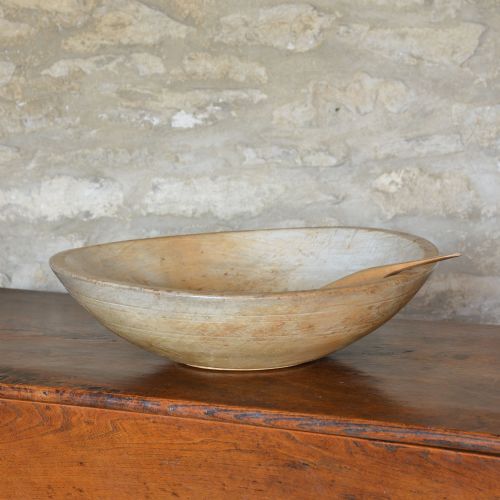
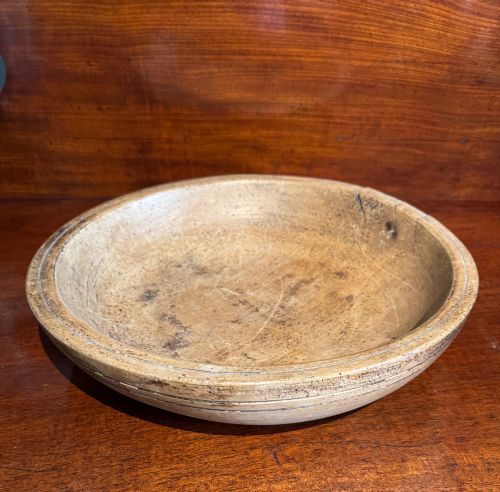
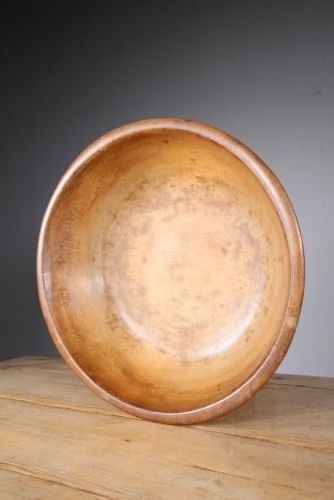
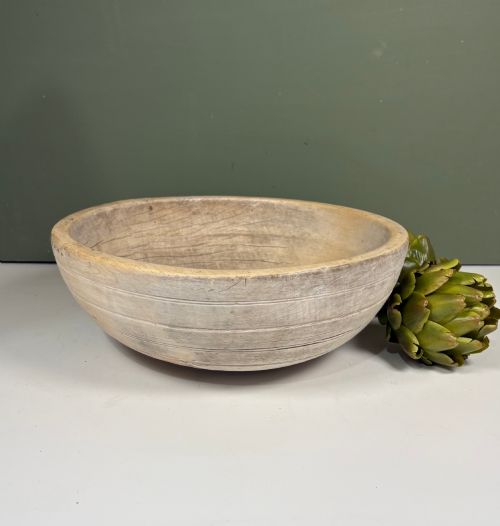
Forms range from large dairy bowls designed for processing milk to intimate objects such as lovespoons and string holders.
Materials and construction
Makers utilised sycamore wood for its density, pale colour, and resistance to splitting, making it the ideal choice for dairy equipment and household utensils.
Turning on a lathe shaped the circular dairy bowls and jars, while hand-carving and incising produced detailed motifs on butter prints and lovespoons.
Sycamore Wood Treen Retail Price Guide 2026
Typical asking prices for sycamore wood treen among the pieces listed under this phrase on Sellingantiques today, from the lower quarter to the upper quarter. They describe what is for sale here now, not the wider market.
Factors of quality
Quality rests upon the proportion and balance of the turned form, alongside the crispness of any hand-carved decoration such as the motifs on butter prints.
Surface character defines the upper tier of pieces, where decades of use leave a warm patina while retaining the integrity of the pale timber.
The Sycamore Wood Treen Glossary
- Treen
- Small handmade wooden domestic objects. This encompasses everything from bowls and spoons to containers utilised in daily rural life.
- Dairy bowl
- A large vessel used historically for setting milk and skimming cream. These items typically feature wide, shallow forms turned from a single piece of timber.
- Butter print
- A carved wooden stamp used to impress patterns onto blocks of butter. Makers frequently carved motifs like acorns and wheat into the surface.
- Lovespoon
- A decorative wooden spoon given as a token of affection. Welsh makers traditionally carved these symbols of romance from single pieces of wood.
Sycamore Wood Treen: Frequently Asked Questions
What is sycamore wood treen?
Sycamore wood treen consists of utilitarian wooden items produced before the widespread adoption of modern manufactured goods. These domestic pieces served practical purposes in kitchens and dairies.
Craftsmen turned and carved the pale timber into bowls, jars, and small implements that gained character through daily handling.
How were dairy bowls used?
Dairy bowls held milk during the butter-making process to allow the cream to rise to the surface. Their wide rims facilitated skimming the cream off easily.
After use, operators scrubbed the timber thoroughly to maintain hygiene, which contributed to the pale surface scrubbed finish seen today.
How do I care for sycamore treen?
Maintain wooden treen by keeping pieces away from direct heat sources and dramatic humidity fluctuations that cause timber to split. Avoid submerging them in water.
Apply occasional coats of food-safe mineral oil or beeswax if the wood appears dry, rubbing gently with a soft cloth.
How old is nineteenth century treen?
Nineteenth-century treen dates from the eighteen hundreds up to nineteen hundred, encompassing the Victorian era and earlier vernacular periods. Items from this timeframe show hand-tool marks from traditional workshop production.
Wear patterns on these pieces reflect decades of active service in farmhouses and country cottages across Britain and France.