



Sycamore Top Table
A sycamore top table brings a pale, fine-grained surface into a room, offering durability and warmth across styles from Georgian to Art Deco.
Sycamore Top Table
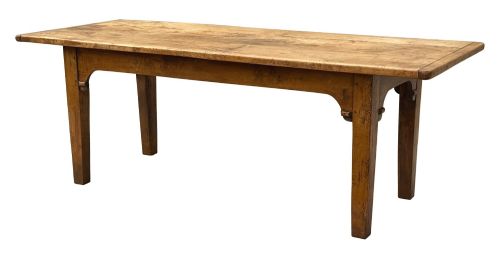
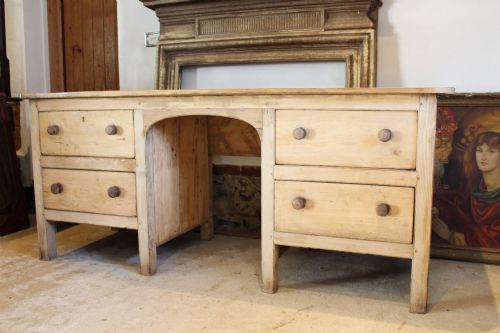
When you search for a sycamore top table, you encounter a varied selection of antique furniture spanning the nineteenth and early twentieth centuries. These pieces range from substantial farmhouse dining tables and kitchen islands to painted centre tables, occasional tripod tables, and dressing table stools.
The versions you are most likely to meet on this page include large nineteenth-century French provincial kitchen tables and English country pieces featuring pale timber surfaces paired with pine, elm, or oak bases. Makers also produced refined exhibition quality centre tables during the mid-nineteenth century, alongside Art Deco dressing stools and occasional tables.
Originating from both French and English workshops, these tables demonstrate diverse regional designs including Georgian, Regency, Victorian, and rustic country styles. The common thread across the listings is the prominent use of sycamore for the top surface, providing a distinctive light colouration and smooth texture.
How they were made
Cabinet makers and joiners utilised pale sycamore timber for the main upper surfaces, frequently selecting it for its dense grain and clean finish. Supporting structures and bases were constructed from companion woods such as pine, elm, oak, and ash, depending on the regional tradition and intended function of the piece.
Surface treatments varied according to period and utility, ranging from scrubbed bare timber on French trestle tables to painted finishes on Regency centre tables. More elaborate examples incorporated fine inlay work, while auxiliary pieces like stools featured textile upholstery including fabric and velvet top covers.
Sycamore Top Table Retail Price Guide 2026
Typical asking prices for sycamore top table among the pieces listed under this phrase on Sellingantiques today, from the lower quarter to the upper quarter. They describe what is for sale here now, not the wider market.
An Art Deco dressing table stool arrives complete with a new flowery top cover, ready for a fresh chapter.
What varies in quality
The distinction between standard utility furniture and the finest examples rests on the selection of materials and the ambition of the design. Exhibition quality centre tables from the mid-nineteenth century display intricate inlay work and superior cabinet making executed in the manner of notable workshops, separating them from simpler domestic pieces.
Construction methods and timber selection also dictate the character of each piece, with robust trestle frames and well-figured sycamore boards representing careful craftsmanship. The preservation of original surfaces, whether scrubbed timber or period paintwork, contributes significantly to the integrity of the antique.
The Sycamore Top Table Glossary
- Sycamore
- A dense, pale hardwood belonging to the maple family, valued in furniture making for its clean appearance and smooth surface. It was frequently chosen for kitchen and table tops.
- Trestle table
- A table consisting of two or more supports connected by a horizontal beam, carrying a removable or fixed top. This form appears in French scrubbed sycamore and elm designs.
- Centre table
- A freestanding table designed to be viewed from all sides and placed in the middle of a room rather than against a wall. Examples range from painted Regency pieces to inlaid Victorian creations.
- Tripod table
- A small occasional table supported by a pillar on three legs. The evidence includes nineteenth-century pieces combining sycamore and ash.
- Scrubbed finish
- A surface treatment achieved by repeated washing and scrubbing of bare wood, commonly found on nineteenth-century French kitchen and trestle tables to maintain a clean pale look.
Sycamore Top Table: Frequently Asked Questions
What is a sycamore top table?
A sycamore top table is a piece of antique furniture featuring a working surface made from pale sycamore timber, paired with various wooden bases and frames.
These tables span several centuries and styles, ranging from rustic French farmhouse dining pieces to refined Regency and Victorian centre tables.
How do I clean a sycamore top?
Sycamore surfaces benefit from gentle cleaning methods that preserve the natural pale tone of the timber without introducing harsh chemicals.
Unfinished or scrubbed tops require careful treatment to avoid staining, while polished or painted sections follow standard antique maintenance.
Are these tables French or English?
The listings include examples originating from both French and English traditions, reflecting regional preferences in furniture design.
French pieces frequently manifest as scrubbed trestle and provincial kitchen tables, whereas English variants encompass Georgian, Regency, and Victorian forms.
What woods are used with sycamore?
Makers combined sycamore tops with a variety of supportive timbers depending on the period and regional workshop practices.
Common companion woods found in the evidence include pine, elm, oak, and ash, used for bases, drawers, and structural frames.