

Sword Stick Blade
A sword stick blade offers a discreet concealed weapon hidden inside a walking cane, combining utility and personal defence for the Victorian gentleman.
Sword Stick Blade
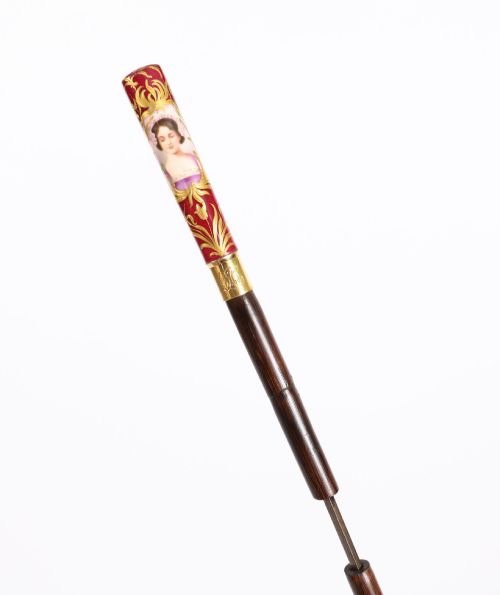
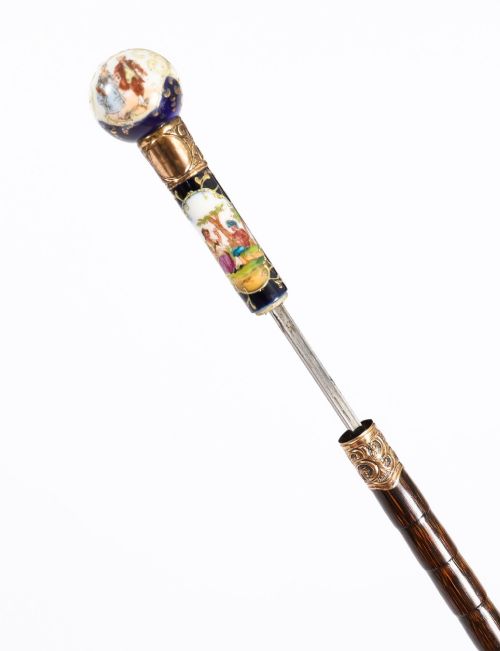
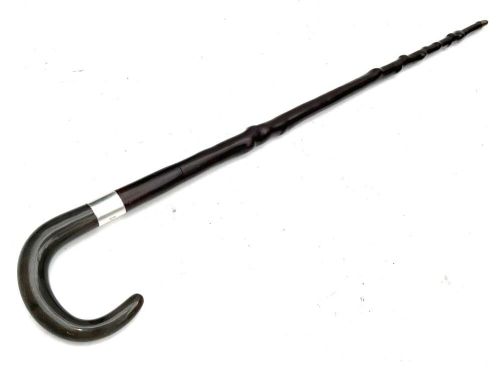
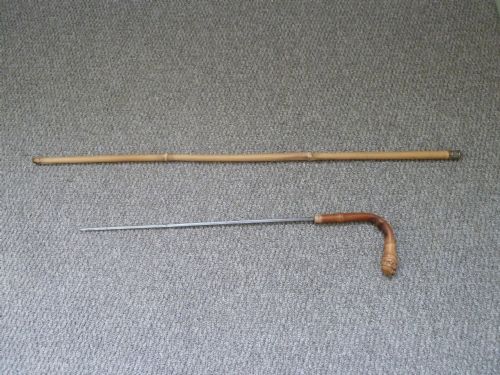
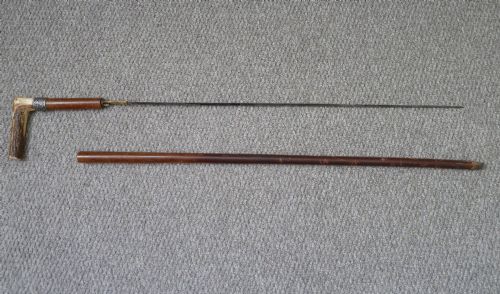
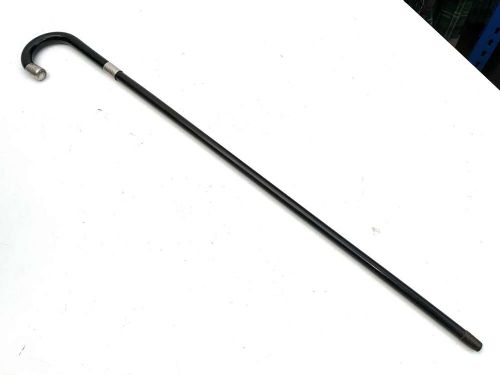
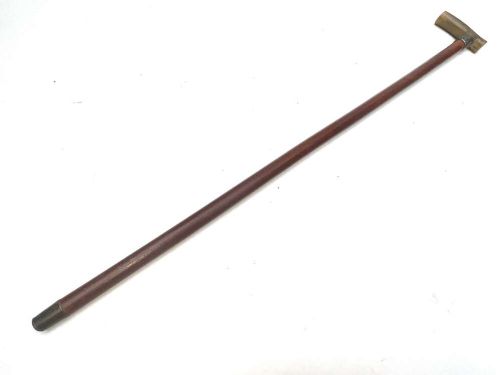
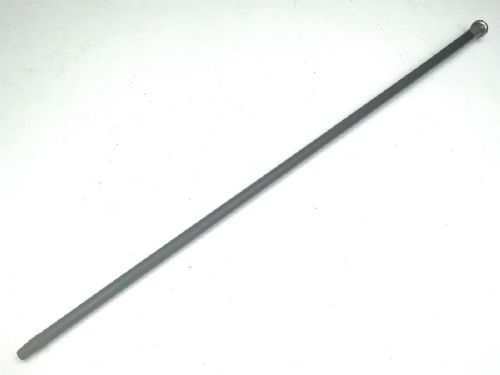
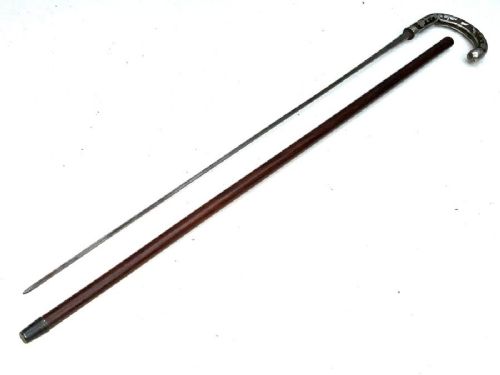
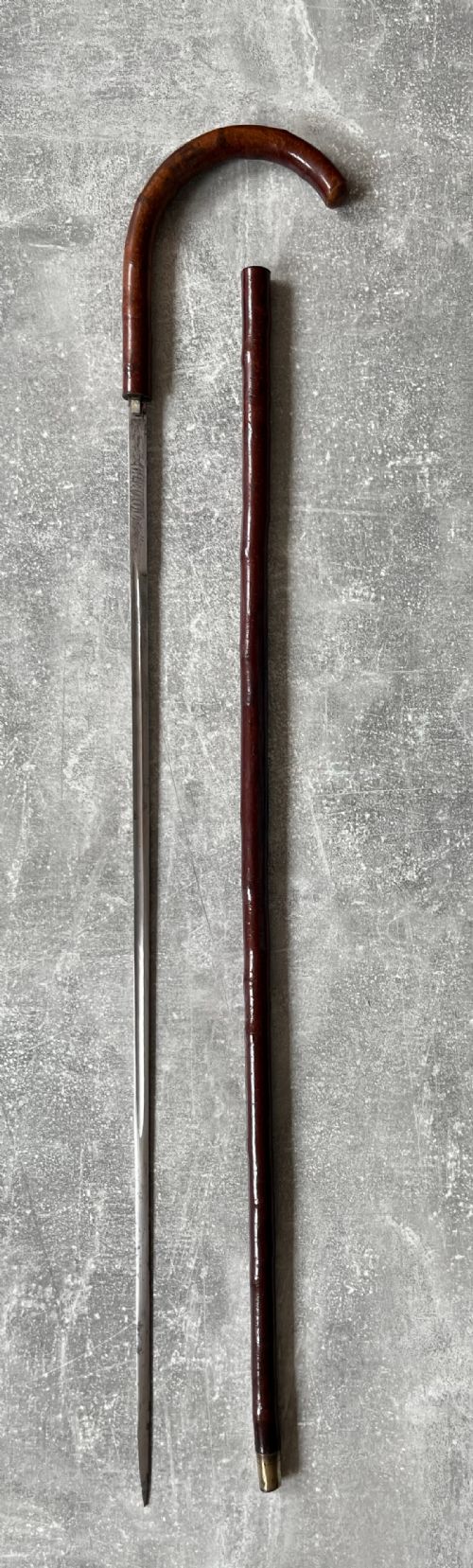
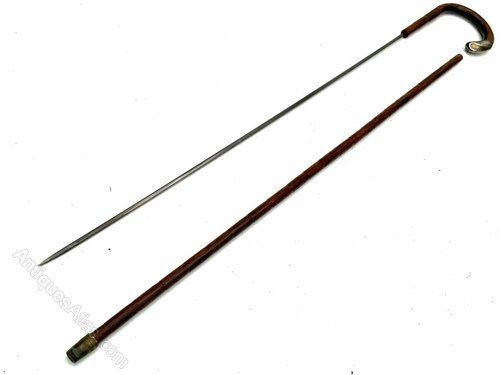
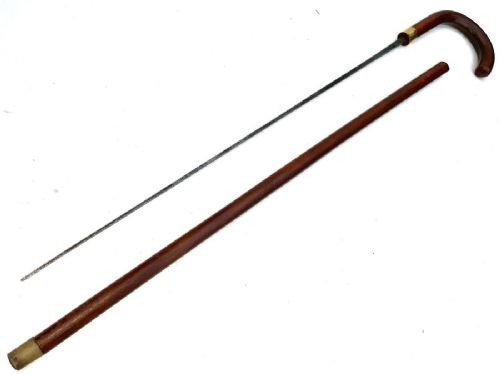
A sword stick blade is housed within a walking cane or walking stick, designed for protection and gentlemanly carriage during the nineteenth and early twentieth centuries. You will encounter Victorian and Edwardian examples shaped from bamboo, malacca cane, partridge wood, and ebonised timber.
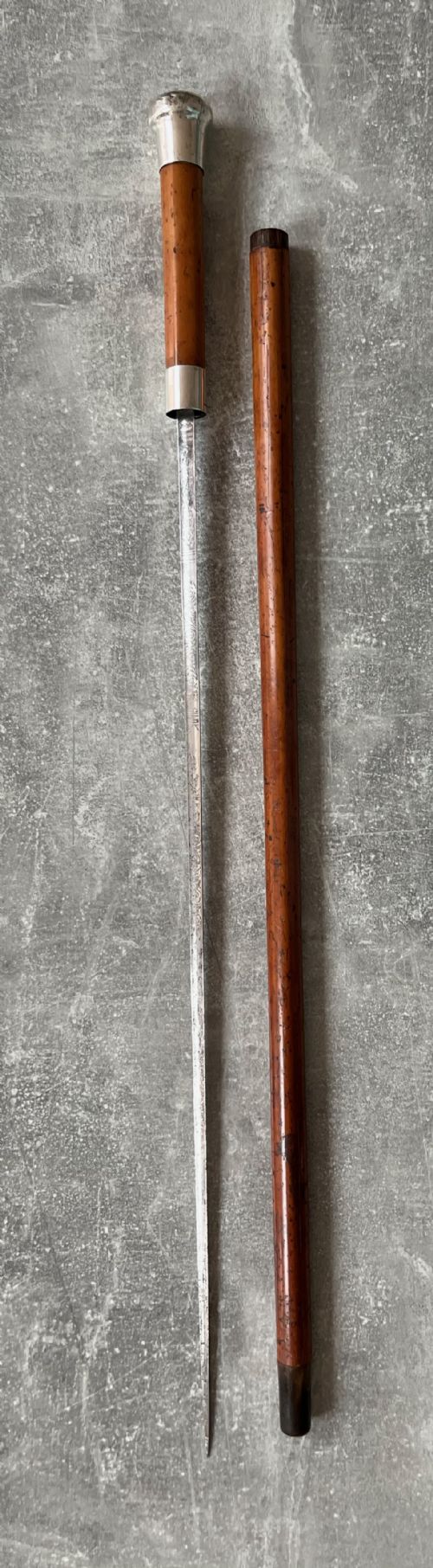
The assortment includes military officers' pieces, Masonic items, and standard walking canes featuring horn, bone, or silver mounts. These pieces range from simple functional sticks to elaborately decorated items with engraved metal blades.
Most pieces date between the 1880s and the 1920s, reflecting a period when carrying a concealed blade was a common practice for personal safety in urban environments.
How They Were Made
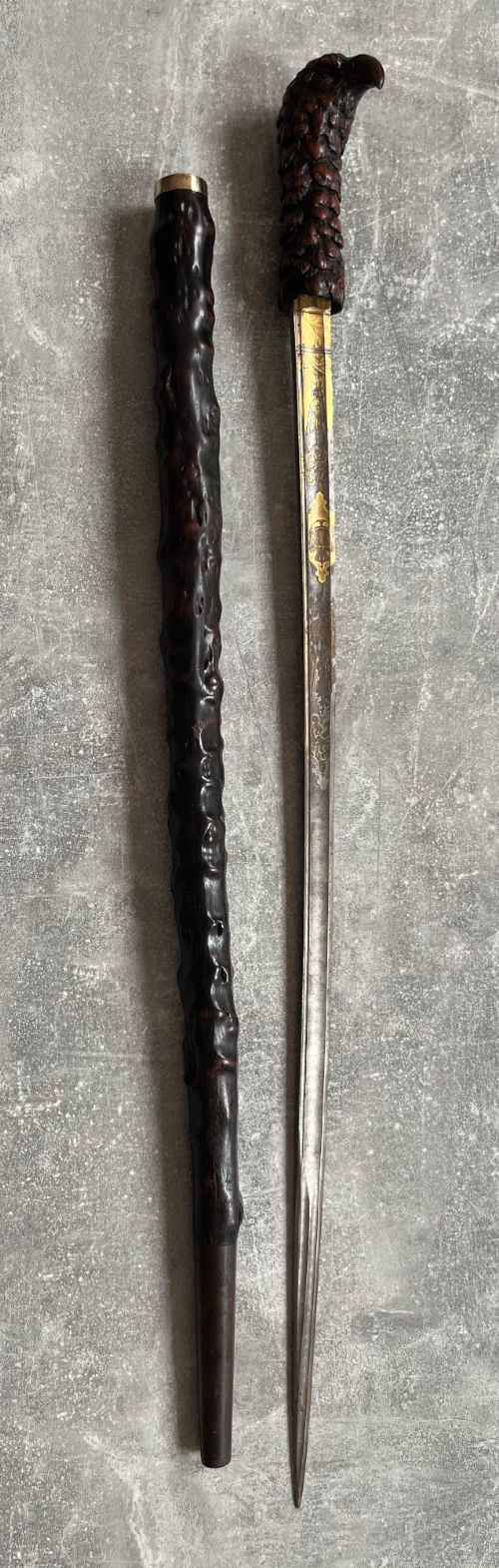
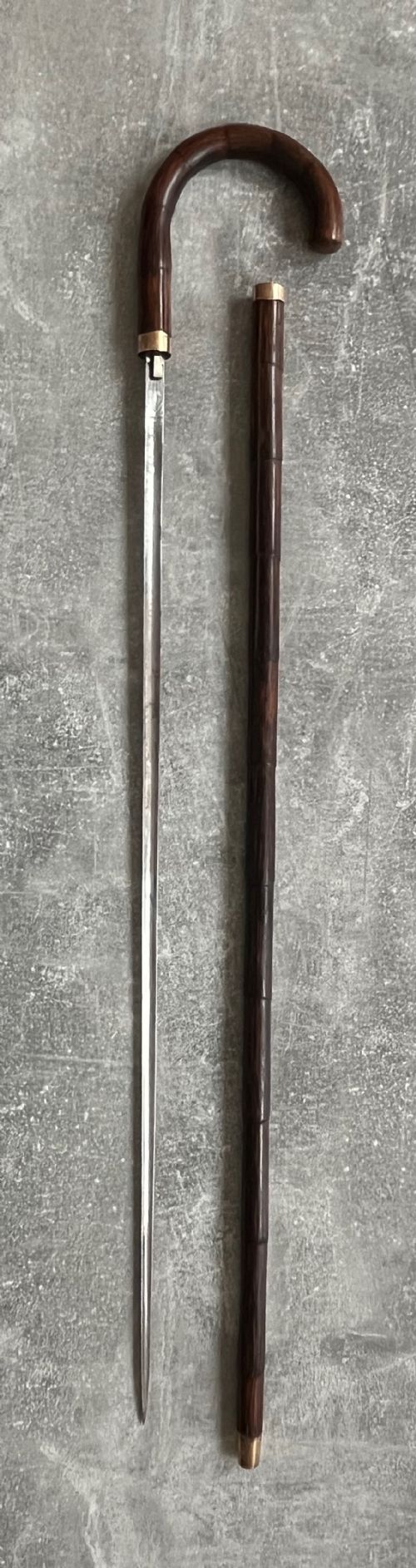
The construction relies on natural materials like malacca, bamboo, hazel, chestnut, and partridge wood formed into shafts, paired with forged steel blades. Smiths fitted the concealed steel within the wooden housing using collars and mounts made from silver, brass, or metal.
Sword Stick Blade Retail Price Guide 2026
Typical asking prices for sword stick blade among the pieces listed under this phrase on Sellingantiques today, from the lower quarter to the upper quarter. They describe what is for sale here now, not the wider market.
The inventory spans the Victorian and Edwardian periods, stretching from the 1880s through the 1920s.
What Varies in Quality
Quality depends on the pedigree of the blade maker, with recognised names such as Wilkinson or Toledo marking superior forging standards. The choice of handle material, from simple wood to silver mounts and carved horn, indicates the original tier of the piece.
The tightness of the fit between the shaft and the handle when closed dictates the precision of the initial manufacture. Finer pieces demonstrate seamless joins and robust metal collars that withstand repeated drawing and locking.
Wilkinson·Brigg
The Sword Stick Blade Glossary
- Wilkinson Blade
- A steel blade produced by the renowned sword maker, prized for its durability and balance. These blades often bear maker marks near the hilt.
- Toledo Blade
- A steel blade forged in the Spanish city known for historic sword-making traditions. These blades frequently feature decorative etching along the flat.
- Malacca Cane
- A type of rattan stem imported from Southeast Asia, valued for its mottled brown finish and flexibility. It serves as the primary shaft material for many high-grade walking sticks.
- Swagger Stick
- A short walking stick carried by military officers as a symbol of authority. Some variants conceal a slender blade inside.
- Knop
- The rounded pommel or handle at the top of a walking stick. Knops can be fashioned from horn, bone, silver, or carved wood.
Sword Stick Blade: Frequently Asked Questions
What is a sword stick blade?
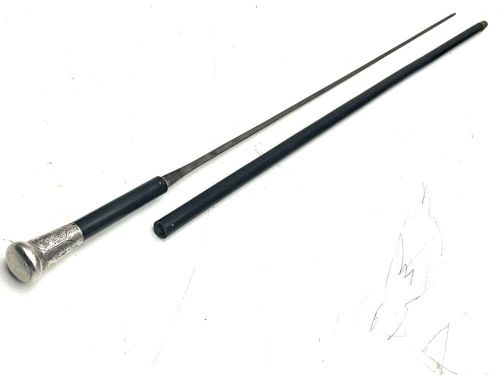
A sword stick blade is a steel weapon concealed inside the hollow shaft of a walking cane. It is designed to slide out quickly when the handle is pulled.
These pieces were popular among gentlemen in the Victorian and Edwardian eras for personal defence during evening walks.
How do you release the blade?
Most pieces rely on a friction fit, a screw mechanism, or a small release button near the collar to keep the blade secure inside the cane. Pulling the handle firmly separates the two halves.
Owners should pull straight along the axis of the stick to avoid warping the internal channel.
Were these used by the military?
Military officers frequently carried swagger sticks and walking canes fitted with concealed blades as part of their walking attire. Examples often connect to specific regiments.
Pieces bearing military association usually feature metal badges, inscriptions, or specific timber types linked to service regulations.
How do you date a sword stick?
Dating relies on the style of the mounts, the timber used, and any hallmarks stamped on the silver collars. Victorian and Edwardian examples show distinct handle carvings and metalworking techniques.
Examining the shape of the steel blade and any maker signatures also helps narrow the manufacturing period.