

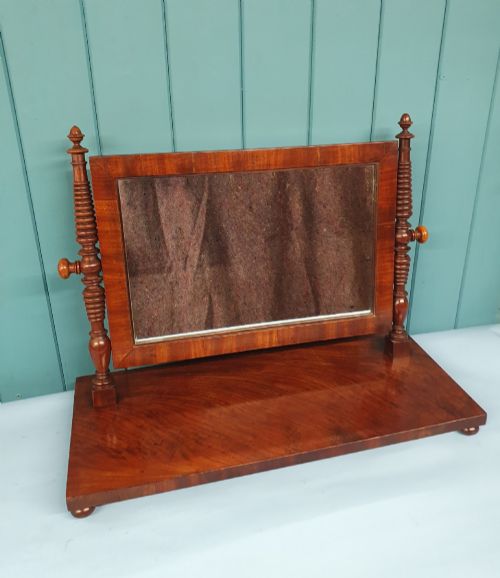


Swivelling Shaving Mirror
A swivelling shaving mirror is a practical dressing table essential, combining pivoting glass with traditional timber or metal frames for everyday grooming.
Swivelling Shaving Mirror
A swivelling shaving mirror provides adjustable reflection angles for close work, resting upon a dedicated stand or table base.
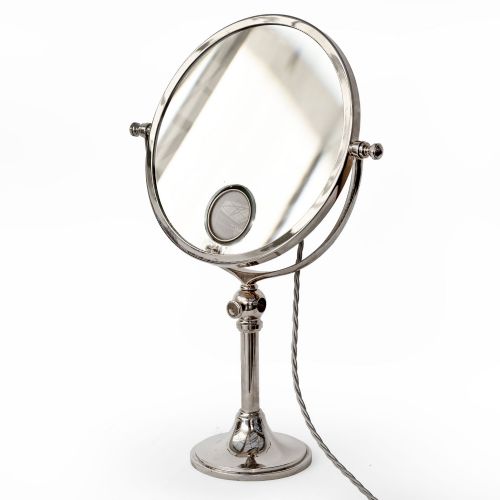
The selections available span multiple periods, from seventeenth-century walnut examples to nineteen-thirties chrome vanity designs.
Most pieces function as dressing table mirrors, toilet mirrors, or vanity mirrors, often incorporating drawers or pivoting frames.
Materials and construction
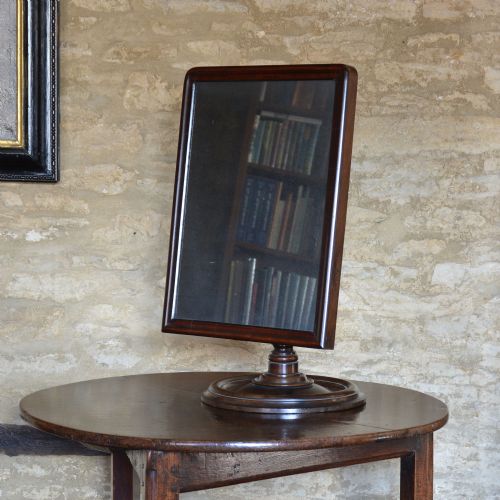
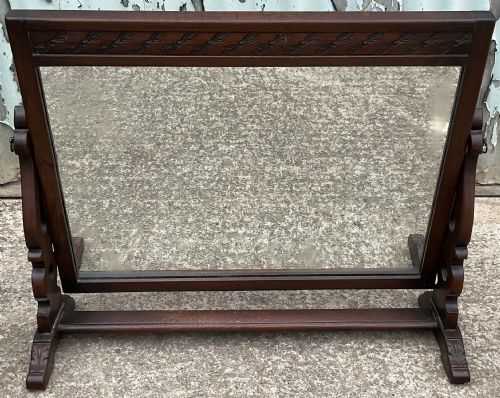
Cabinetmakers utilised dense timbers like mahogany, walnut, and oak to build sturdy frames and supporting box stands.
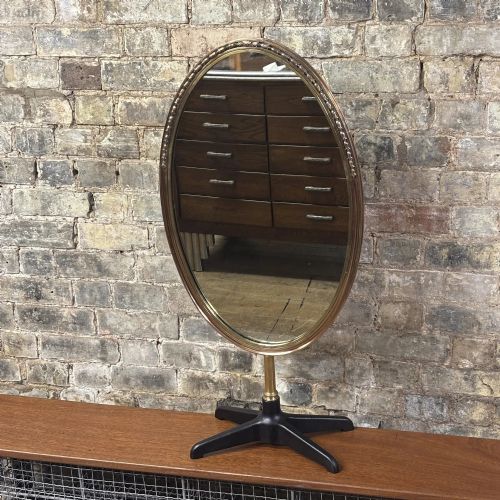
Metal elements including brass, nickel plating, and cast iron provide structural support and pivoting mechanisms for the glass.
Swivelling Shaving Mirror Retail Price Guide 2026
Typical asking prices for swivelling shaving mirror among the pieces listed under this phrase on Sellingantiques today, from the lower quarter to the upper quarter. They describe what is for sale here now, not the wider market.
Current listings span from the seventeenth century through the Victorian era to nineteen-thirties chrome designs.
Assessing craftsmanship and materials
Quality rests in the precision of the pivoting mechanism and the crispness of timber joinery, such as boxwood stringing or marquetry inlay.
Finer examples display careful timber selection, heavier gauge brass fittings, and superior optical clarity within the glass plate.
Thomas Rubergall of London
The Swivelling Shaving Mirror Glossary
- Toilet mirror
- A smaller mirror designed to sit on top of a dressing chest or table, frequently featuring small drawers in the base.
- Marquetry
- Decorative veneer work forming intricate patterns using various coloured woods on the mirror frame.
- Cheval mirror
- A full-length glass frame suspended on a freestanding vertical floor frame, though smaller tabletop versions also appear.
- Boxwood
- A dense, pale wood often utilised for contrasting stringing lines and inlay details on walnut frames.
Swivelling Shaving Mirror: Frequently Asked Questions
What is a swivelling shaving mirror used for?
These mirrors provide an adjustable glass surface for close personal grooming and shaving. They sit on tabletops and pivot to catch optimal light.
Historically, they formed a standard part of a gentleman's dressing routine before electric bathroom lighting became common.
How do I date a shaving mirror?
Dating relies on identifying timber choices, frame styles, and the manufacturing methods of the brass pivots. Georgian and Victorian examples use solid mahogany or walnut with hand-cut joinery.
Later pieces from the nineteen-thirties introduce nickel plating, chrome, and streamlined industrial bases that depart from traditional cabinetmaking.
Where were these mirrors placed?
They were designed for placement on dressing tables, chests of drawers, or dedicated shaving stands. Their tabletop footprint allowed them to be moved easily around a bedroom.
Some larger versions required their own low table or chest to reach a comfortable height for standing use.
What woods appear most frequently?
Mahogany and walnut dominate the traditional pieces, often enhanced with boxwood inlay or Dutch marquetry. Oak also appears across various periods for sturdier table stands.
Secondary woods and specialised veneers reflect the prevailing furniture styles of each specific century.