





Swiss Cocktail Watch
A swiss cocktail watch is a jewelled timepiece meant for evening wear, combining precise horology with high-status gemstone design.
Swiss Cocktail Watch
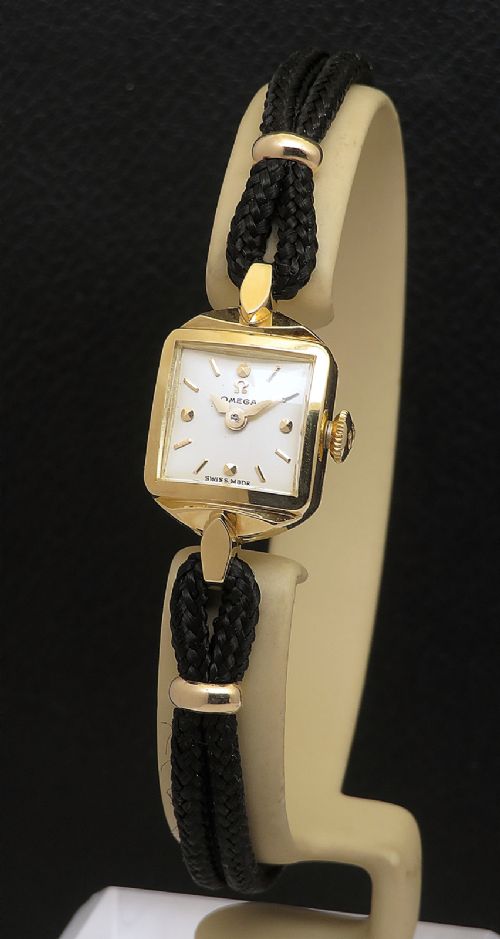
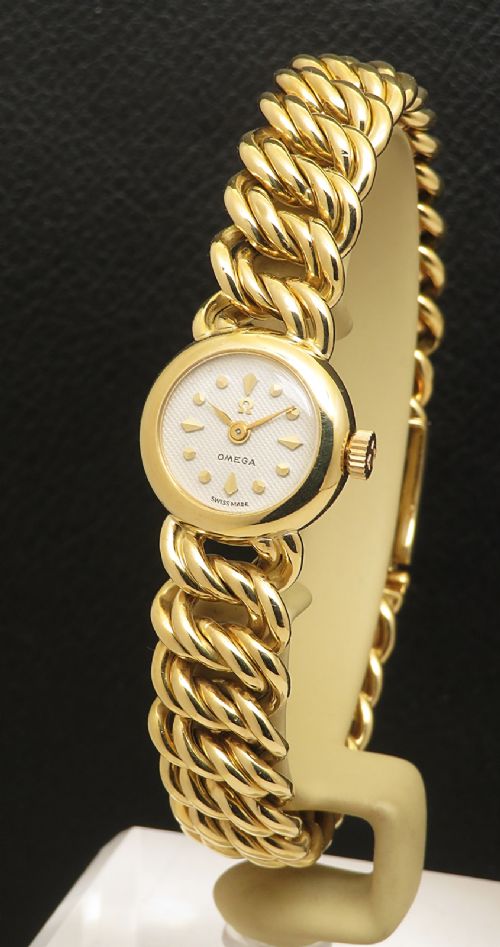
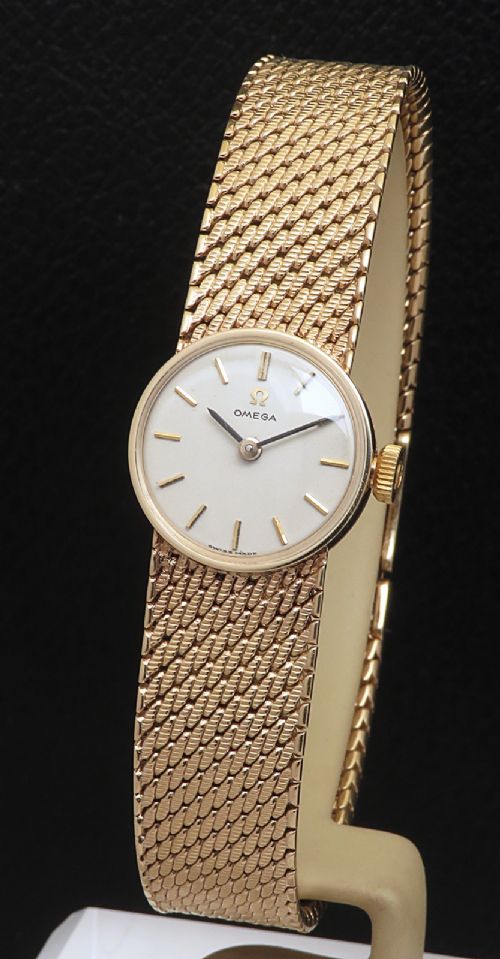
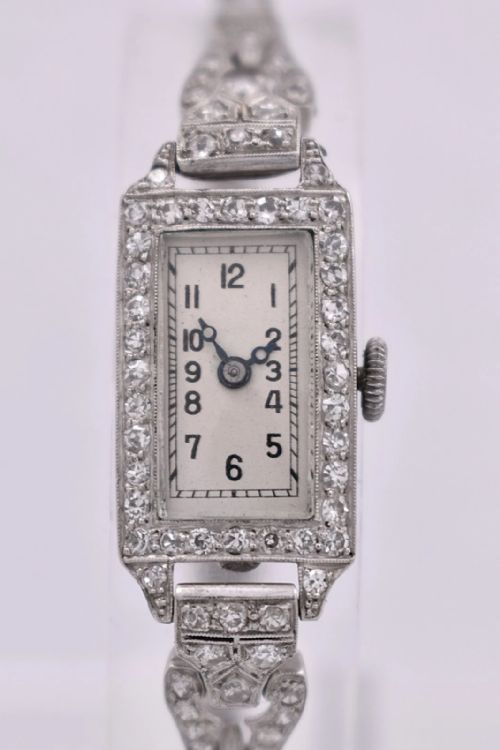
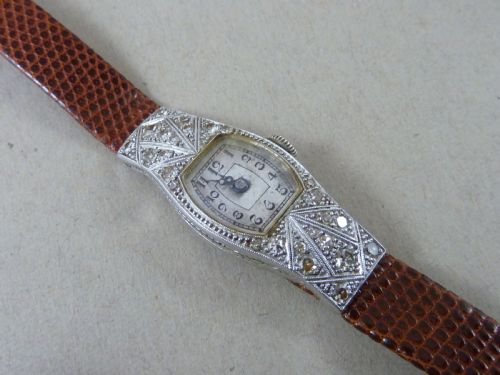
When buyers search for a swiss cocktail watch, they encounter wristwatches spanning the Art Deco and Mid-Century periods, originating from Swiss workshops. These pieces function primarily as refined jewellery that tells the time, rather than utilitarian daily timekeepers. The forms seen in these listings include dedicated cocktail watches and ladies wristwatches.
The selection ranges from early twentieth-century designs through to the nineteen-sixties, incorporating styles such as Art Deco and Mid-Century Modern. Examples take the form of delicate bracelet watches intended to grace the wrist during social occasions. Buyers find items dating from the nineteen-twenties up to the nineteen-sixties.
Materials and Construction
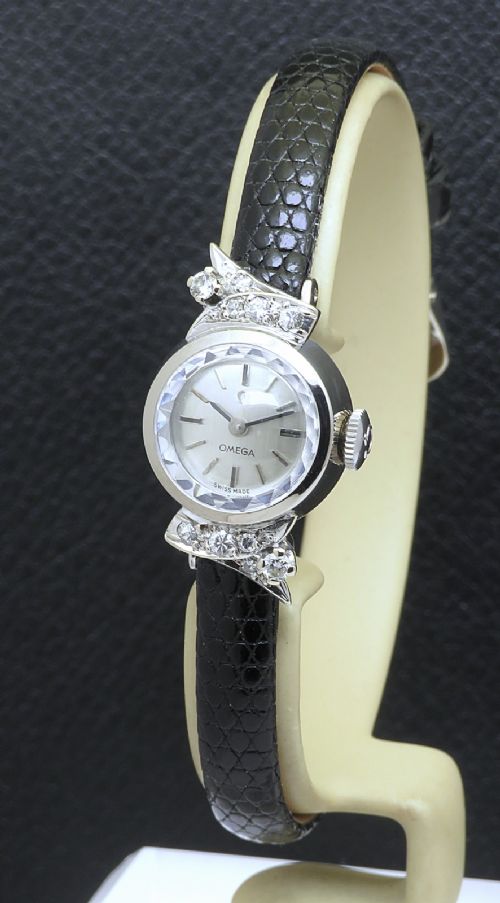
Makers constructed these watches using precious metals, predominantly solid 9ct gold, 14ct white gold, 18ct white gold, and platinum. Alongside these metals, designs incorporate diamonds, glass crystals, and occasionally leather or fabric straps. Movements rely on Swiss jewelled lever mechanisms.
The integration of precious stones defines the construction, particularly in platinum and white gold settings encrusted with diamonds. Casing techniques range from heavy solid gold builds to intricate geometric Art Deco mountings. Many pieces survive alongside their original presentation boxes and paperwork.
Several of these tiny timepieces have travelled through the decades safely tucked inside their original presentation boxes.
Markers of Quality
Quality in these timepieces rests upon the choice of precious metal and the caliber of gemstone integration. Platinum and 18ct white gold examples set with substantial diamond carats sit at the higher end of the scale, particularly when paired with high-grade Swiss movements. The presence of original presentation boxes and documentation adds further distinction.
The refinement of the case work and the execution of the dial design separate standard production from exceptional examples. Heavy construction in solid gold or platinum combined with jewelled lever movements indicates superior manufacturing standards. The integrity of original components dictates the overall standing of each piece.
Omega·Rolex Tudor·Bucherer·Movado·Vertex·Tissot·Longines
The Swiss Cocktail Watch Glossary
- Swiss Jewelled Lever
- An escapement mechanism utilising synthetic rubies to reduce friction and improve timekeeping accuracy. This component represents standard high-grade watchmaking.
- Art Deco
- A design style prevalent in the nineteen-twenties and nineteen-thirties characterised by geometric symmetry and stylised motifs. This aesthetic heavily influences cocktail watch casing.
- Manual Wind
- A mechanical movement requiring the wearer to wind the mainspring by hand through the crown. These watches do not utilise batteries.
- Platinum
- A dense, durable precious metal prized for its strength in secure stone settings. It provides a bright white backdrop for diamonds.
Swiss Cocktail Watch: Frequently Asked Questions
What is a swiss cocktail watch?
A swiss cocktail watch is a small, ornate timepiece designed for formal evening wear. These watches prioritise decorative gemstone settings and precious metal cases alongside traditional watch movements.
They function as functional jewellery pieces, originating from Swiss makers across several decades of the twentieth century.
How do I wear one?
These watches suit evening events and formal social occasions, worn snugly on the wrist like a fine bracelet. Their delicate proportions pair well with evening attire.
Because many feature manual wind movements and precious stones, they benefit from careful handling during occasional wear rather than daily use.
How do I date these watches?
Dating relies on stylistic cues such as geometric Art Deco lines from the nineteen-twenties and thirties, or cleaner Mid-Century Modern forms from later decades. Hallmarks on gold and platinum cases offer further chronological clues.
Original documentation, where preserved, provides precise production years for individual pieces.
What materials were used?
Makers utilised precious metals including platinum, 18ct white gold, 14ct white gold, and 9ct gold for the cases and bracelets. Diamonds and glass crystals embellish the designs.
Some examples incorporate fabric or leather straps alongside metallic bands.