

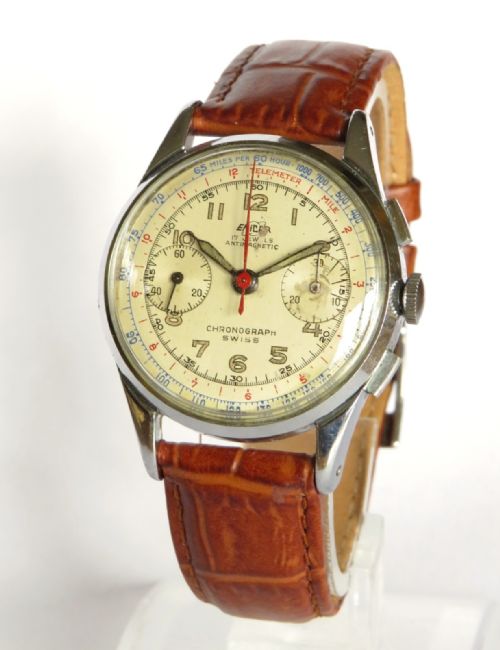


Swiss Chronograph Watch
A swiss chronograph watch is a precise instrument of timing, combining intricate horological engineering with enduring mid-century design.
Swiss Chronograph Watch
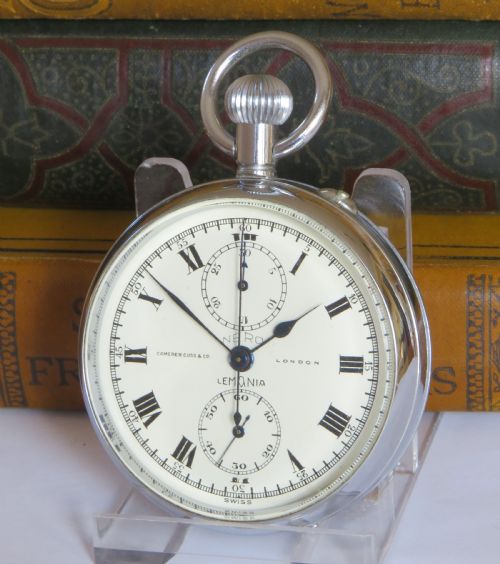
A swiss chronograph watch brings together precision timing mechanisms and traditional horological forms, ranging from pocket watches to wristwatches. Buyers exploring this category encounter pieces originating from the nineteenth century through the nineteen-sixties, with a strong representation of mid-century examples.
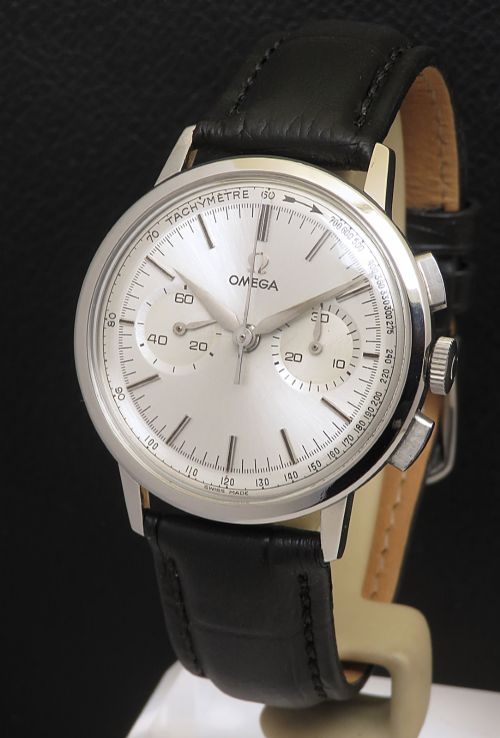
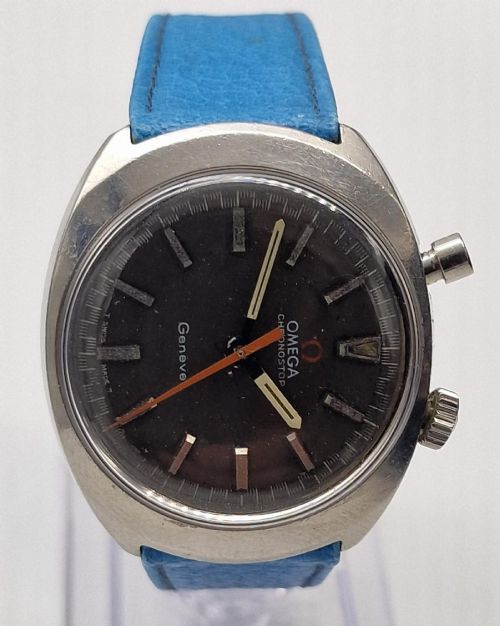
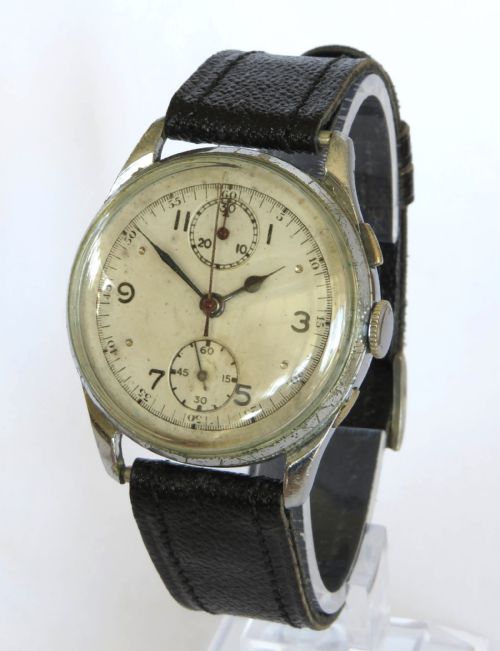
The wristwatches on display span distinct stylistic periods including art deco and mid-century modern, alongside specialised aviator and drivers editions. Pocket watch variants appear alongside wrist-worn instruments, offering mechanical complexity across diverse eras.
Materials and construction
Cases are formed from stainless steel, gold plate, chrome plated metal, and solid gold, paired with dials featuring enamel work. Protection for the dial is provided by glass, acrylic, and acrylic glass.
Strap and mounting materials rely on durable leather, while internal movements utilise complex Swiss calibres driven by manual wind mechanisms and specialised complications.
Swiss Chronograph Watch Retail Price Guide 2026
Typical asking prices for swiss chronograph watch among the pieces listed under this phrase on Sellingantiques today, from the lower quarter to the upper quarter. They describe what is for sale here now, not the wider market.
Listings feature Swiss chronograph watches spanning the nineteenth century through the nineteen-sixties, utilising stainless steel, gold plate, leather, and acrylic glass.
Assessing quality and craftsmanship
Distinction across the range lies in the complexity of the movement, such as triple calendar displays, moonphase indicators, or split-second rattrapante functions. The execution of dial typography and sub-dial layout further separates standard timepieces from exceptional examples.
Case finishing and the preservation of original components, from crowns to hands, dictate the standing of an individual watch. Materials such as gold plate or solid gold casing add physical weight and intrinsic refinement to the construction.
Omega·Lemania·Venus·Enicar·Breitling·Invicta·Mappin·Fludo·Miramar·Benrus·Chronographe Suisse·Mundus·Heuer
The Swiss Chronograph Watch Glossary
- Chronograph
- A watch with a display function for measuring elapsed time alongside the standard time-of-day indication. It typically uses independent sweep hands and sub-dials.
- Calibre
- The specific internal movement design and manufacture of a watch. Collectors reference these numbers to identify the mechanical lineage.
- Panda dial
- A watch dial featuring contrasting sub-dials set against a lighter main background, resembling the facial markings of a panda. This configuration gained popularity during the mid-century period.
- Manual wind
- A mechanical movement powered by hand-winding the mainspring via the crown rather than through automatic rotor motion. These movements rely on traditional gear trains.
Swiss Chronograph Watch: Frequently Asked Questions
What is a swiss chronograph watch?
A swiss chronograph watch is a timepiece manufactured in Switzerland that includes an integrated stopwatch function alongside standard timekeeping.
These instruments range from mid-century wristwatches to nineteenth-century pocket watches, prized for their mechanical movements and historical utility.
How do I wind a manual watch?
Manual wind watches are powered by turning the crown clockwise until firm resistance is felt, indicating the mainspring is fully tensioned.
Care should be taken not to overwind the mechanism, ensuring the longevity of the vintage internal components.
What is a triple calendar complication?
A triple calendar complication displays the day of the week, the month, and the date alongside the standard time and chronograph functions.
These additions increase the mechanical complexity of the Swiss movement housed within the watch case.
How do I identify the period of a watch?
The production period is identified through styling cues such as art deco numerals or mid-century modern case designs, alongside specific movement calibres.
Documented reference numbers and trademarked dials also assist in dating the manufacture of the piece.