

Swiss Automatic Vintage Timepiece
A swiss automatic vintage timepiece offers mechanical self-winding precision combined with mid-century design, making it a reliable daily companion for the discerning collector.
Swiss Automatic Vintage Timepiece
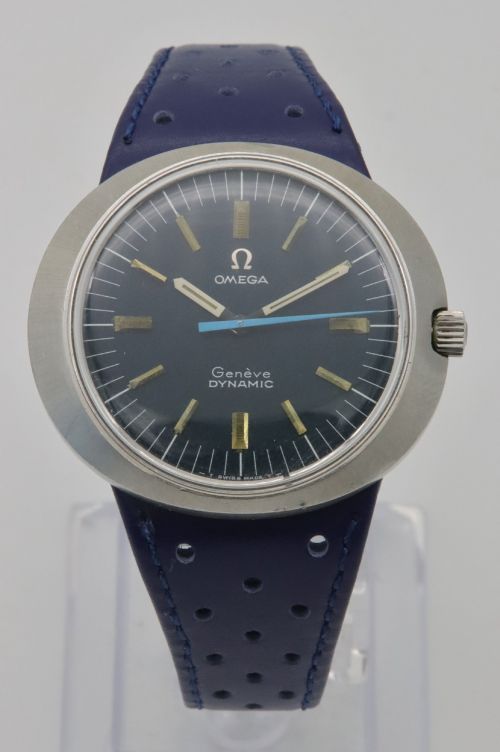
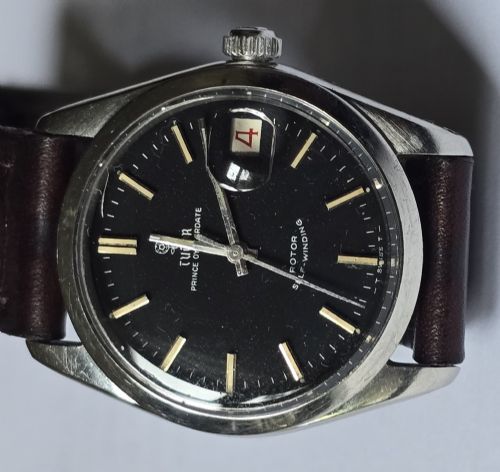
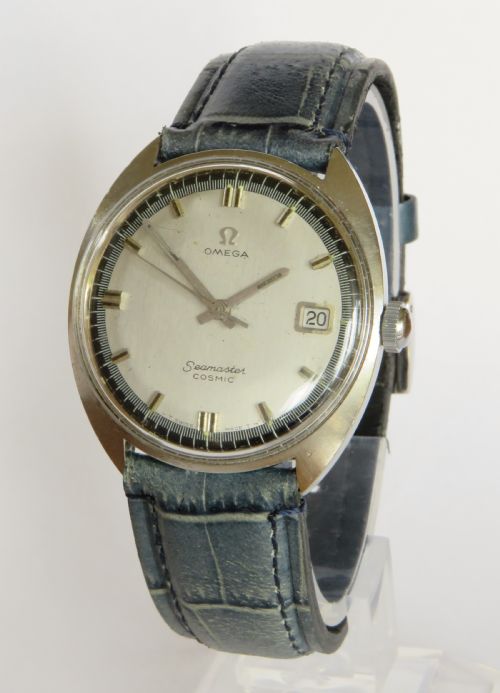
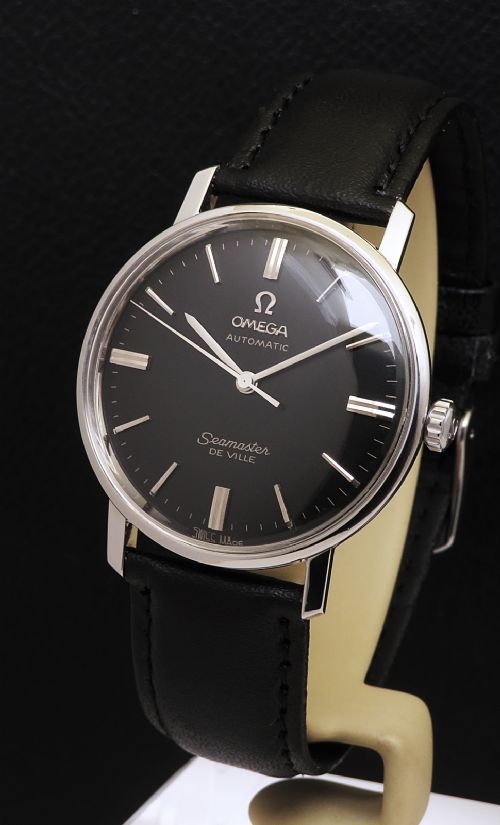
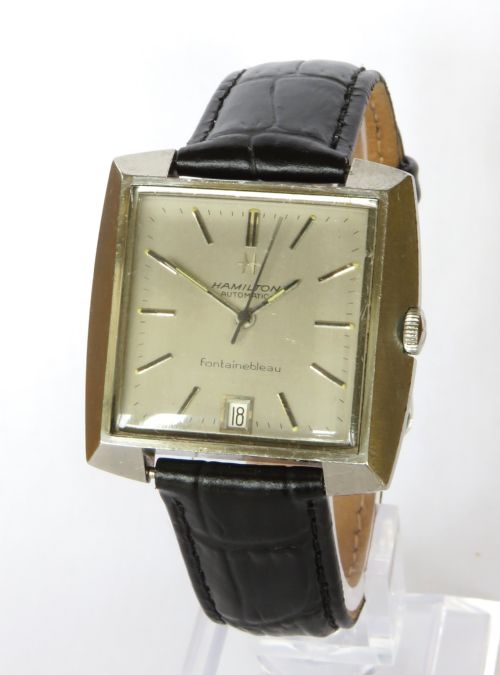
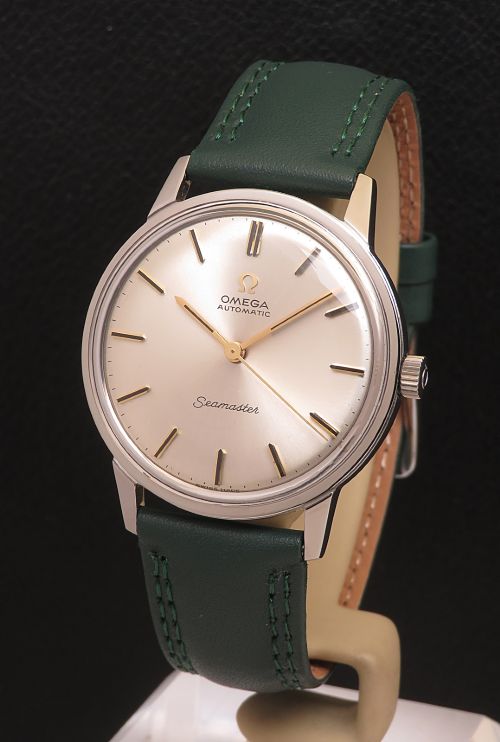
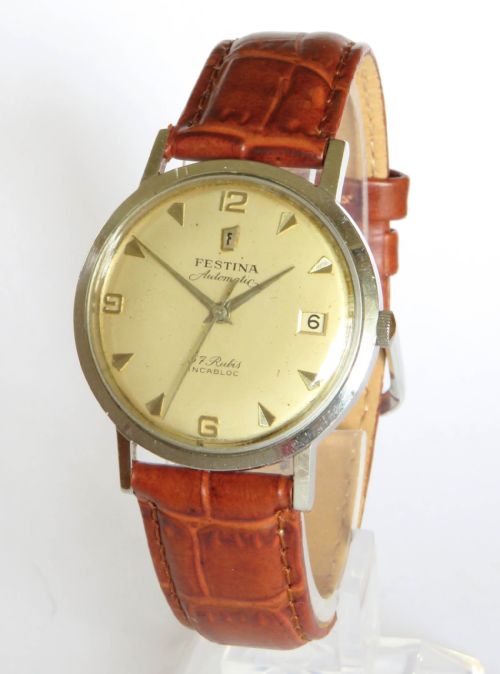
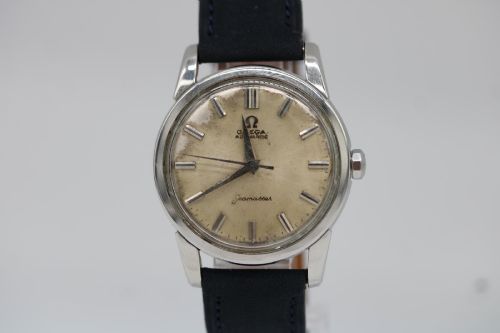
When searching for a swiss automatic vintage timepiece, buyers encounter wristwatches produced primarily across the 1940s, 1950s, and 1960s. These pieces span mid-century modern and retro design sensibilities, reflecting an era of mechanical innovation in horology.
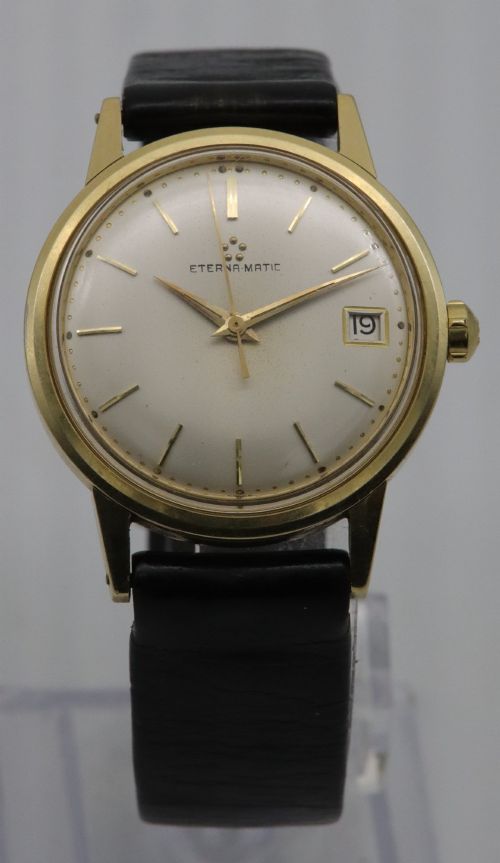
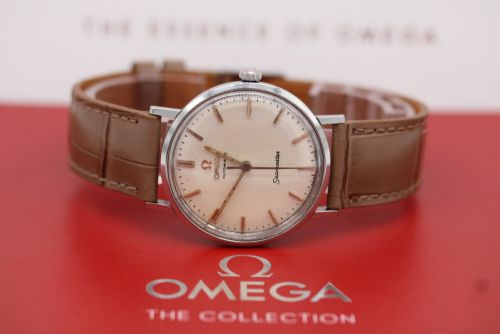
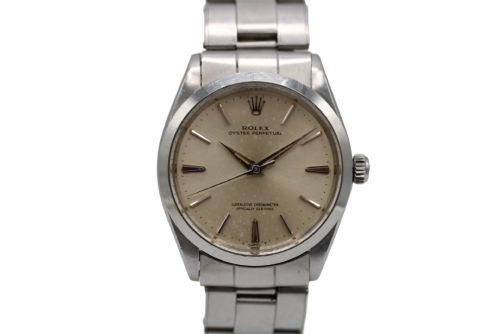
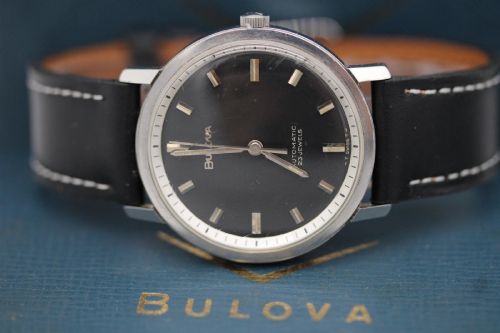
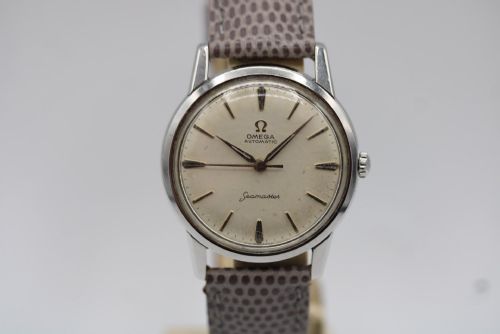
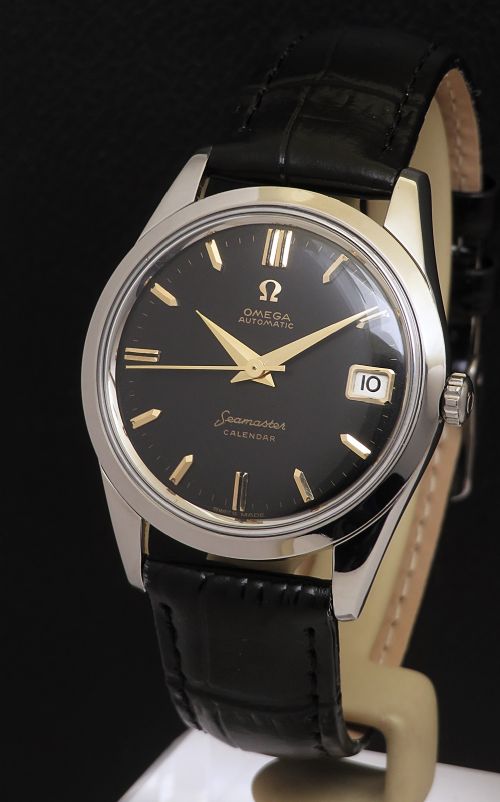
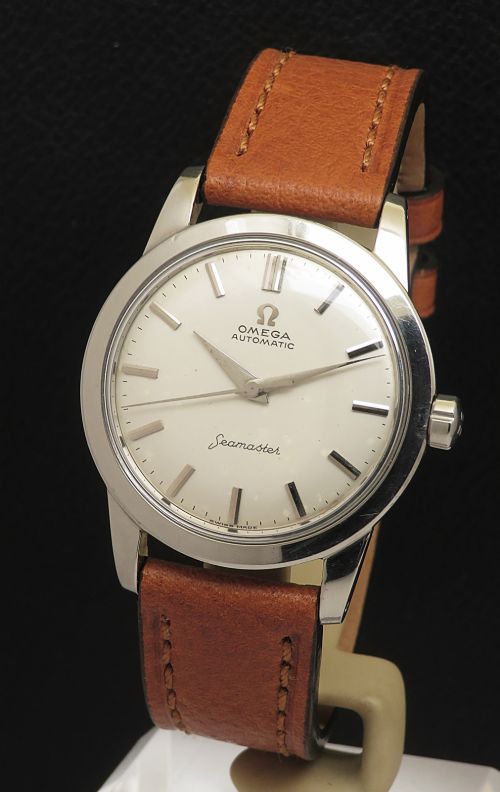
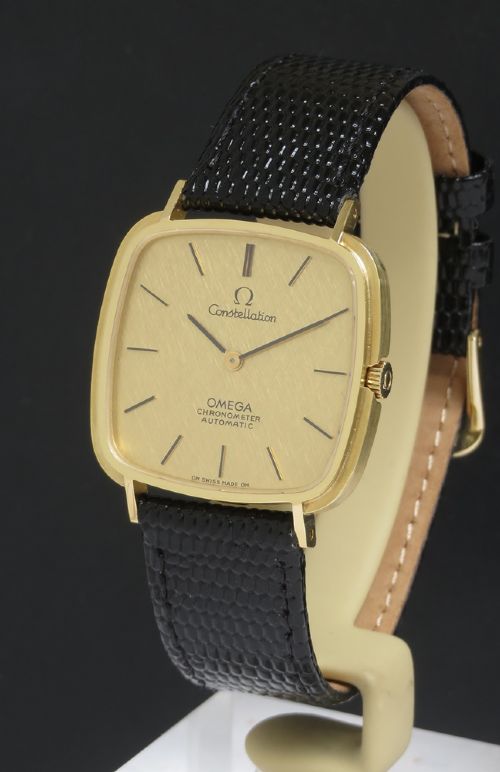
The selection on this page consists predominantly of gents automatic wristwatches housed in stainless steel, gold plate, or solid gold cases. Prominent forms include calendar models, chronometers, and specialised lines like the Seamaster.
Originating from Swiss workshops, these horological instruments utilise internal rotors or bumper movements to wind themselves through the natural motion of the wearer's wrist. Collectors seek them out for their historical character and enduring mechanical integrity.
How they were made
Casing materials range from durable stainless steel and gold plate to solid 9ct and 18ct gold, paired with glass or acrylic crystals to protect the dial. Leather straps frequently secure the watch to the wrist, complementing the metal housing.
Movements rely on mechanical ingenuity, incorporating self-winding mechanisms such as bumper weights or full rotors to tension the mainspring automatically. Dials often feature applied markers, textured finishes like honeycomb patterns, and protective metallic plating.
Swiss Automatic Vintage Timepiece Retail Price Guide 2026
Typical asking prices for swiss automatic vintage timepiece among the pieces listed under this phrase on Sellingantiques today, from the lower quarter to the upper quarter. They describe what is for sale here now, not the wider market.
Some dials feature a charming "smiley" curved text layout that instantly softens serious horology with mid-century playfulness.
What varies in quality
The calibre of a timepiece is determined by the sophistication of its internal movement, such as adjusted chronometer grades that guarantee superior timekeeping precision. Solid gold cases and original signed components elevate the overall execution compared to gold-plated alternatives.
Preservation of the dial and case geometry dictates the distinction between standard examples and museum-quality pieces. Original dials retaining crisp typography and untouched hands command greater appreciation among purists.
Omega·Tudor·Hamilton·Bulova·Festina·Gruen·Eterna Matic·IWC·Bucherer·Avia·Primula·Wittnauer·Longines·Prisma·Consul
The Swiss Automatic Vintage Timepiece Glossary
- Automatic
- A self-winding mechanical watch movement that uses a weighted rotor to wind the mainspring using the wearer's wrist movements.
- Chronometer
- A high-precision watch movement that has been tested and certified to meet strict accuracy standards over various temperatures and positions.
- Bumper
- An early type of automatic movement where the rotor swings back and forth against springs rather than rotating fully through 360 degrees.
- Calibre
- The specific manufacturer's designation for a particular watch movement model.
- Acrylic glass
- A lightweight, shatter-resistant form of transparent plastic used for watch crystals during the mid-century period.
Swiss Automatic Vintage Timepiece: Frequently Asked Questions
What is a swiss automatic vintage timepiece?
A mechanical wristwatch originating from Switzerland that winds itself using the movement of the wearer's arm.
These pieces date primarily from the mid-twentieth century and are prized for their craftsmanship and mechanical heritage.
How do I wind an automatic watch?
An automatic watch winds itself automatically through the natural motion of wearing it throughout the day.
If the watch has stopped completely, giving the crown a few manual turns jump-starts the movement before placing it on the wrist.
Are these watches water resistant?
Vintage timepieces generally lack modern gasket seals and should be kept away from water entirely.
Accidental splashes can easily penetrate older acrylic crystals and worn crowns, causing damage to the delicate internal movement.
How do I know the production year?
Production dates are often determined by matching the serial number engraved on the case or movement to manufacturer archives.
Stylistic cues such as dial typography and case geometry also help narrow down the decade of manufacture.