






Swedish Furniture Style
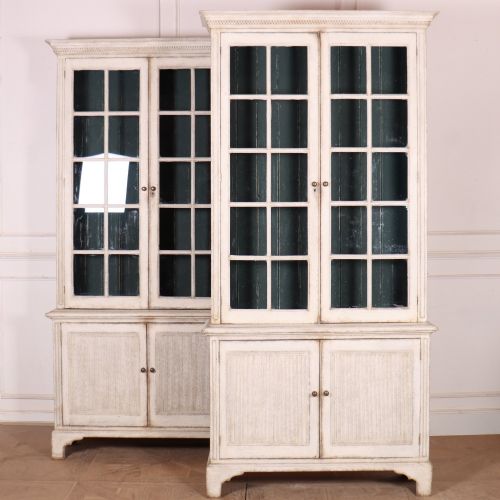
Swedish furniture style brings light painted finishes and clean neoclassical proportions into a room, offering functional elegance rooted in northern traditions.
Swedish Furniture Style
When a buyer searches for Swedish furniture style, they encounter practical domestic pieces shaped by Scandinavian country craftsmanship and neoclassical design. The selection here leans heavily towards the nineteenth century, alongside eighteenth-century examples and early twentieth-century interpretations.
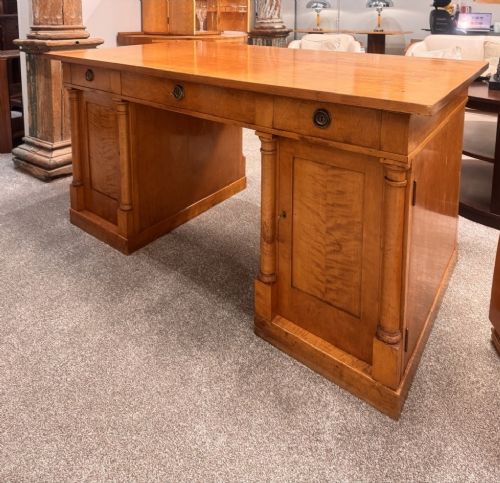
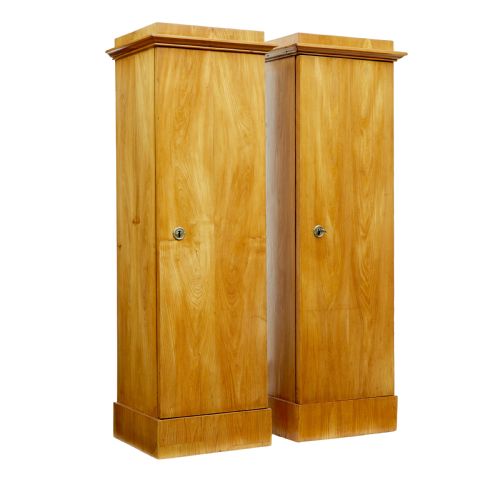
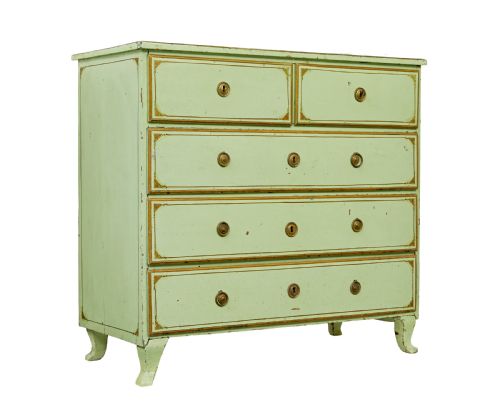
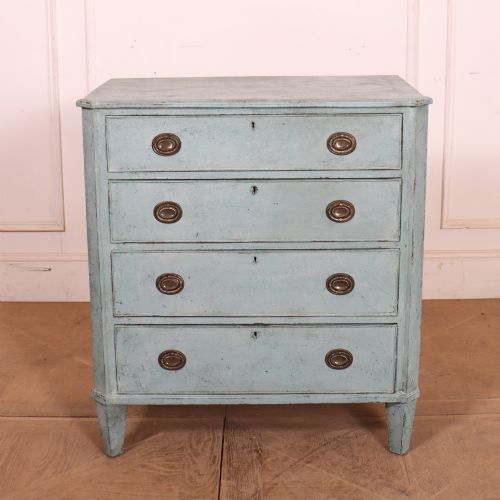
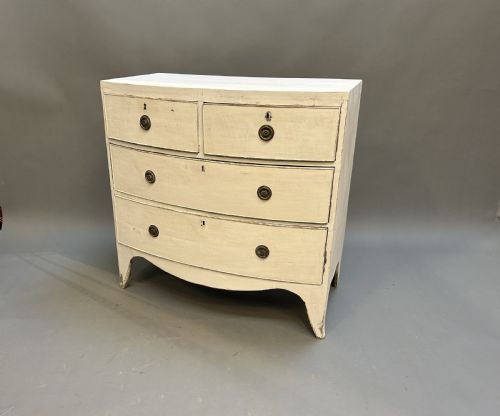
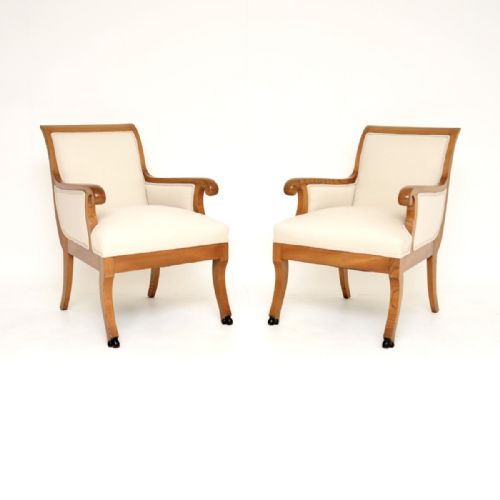
The dominant forms span storage and seating, with chests of drawers, commodes, armchairs, and benches appearing frequently alongside console tables, dining tables, and cupboards. Painted pine and birch dominate the forms, supplemented by occasional mahogany, elm, and ash.
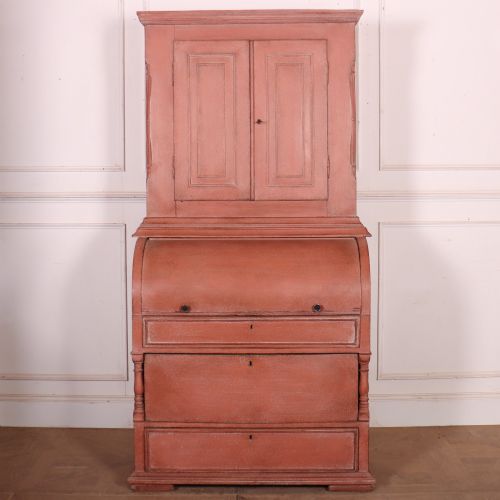
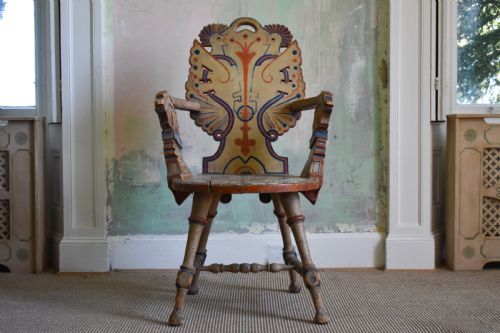
Originating from both rural folk traditions and urban neoclassical movements like Gustavian and Empire revival, these items combine understated utility with decorative painted surfaces. Buyers find both rustic pine pieces and refined mahogany or birch items reflecting varied regional tastes.
Materials and construction methods
Carpenters constructed these pieces using locally sourced softwoods like pine alongside hardwoods such as birch, elm, oak, and mahogany. Construction often involved solid timber frames, dovetailed drawer joints, and turned or fluted decorative details.
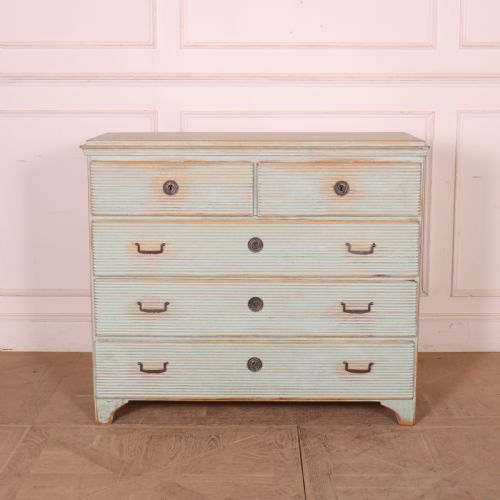
Surfaces frequently received hand-applied paint treatments, ranging from scraped original paint to faux marble tops and grey colour washes. Brass hardware often complemented the timber and painted finishes on commodes and tables.
Swedish Furniture Style Retail Price Guide 2026
Typical asking prices for swedish furniture style among the pieces listed under this phrase on Sellingantiques today, from the lower quarter to the upper quarter. They describe what is for sale here now, not the wider market.
Listings feature items spanning from the mid-eighteenth century through the early twentieth century, encompassing pine, birch, brass, and painted wood.
Assessing quality in Swedish furniture style
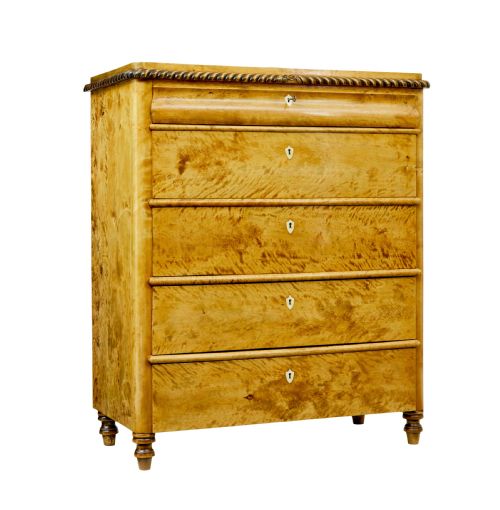
Quality rests in the integrity of the timber framing, the preservation of original painted surfaces, and the subtlety of carved or fluted mouldings. Pieces retaining early scraped paint finishes or finely figured tiger birch distinguish themselves from later redecorated examples.
Proportion and execution drive the distinction between standard utilitarian items and high neoclassical design. Clean lines on serpentine commodes or balanced neoclassical armchairs reflect superior workshop standards.
The Swedish Furniture Style Glossary
- Gustavian
- The Swedish neoclassical style developed during the reign of King Gustav III, characterised by restrained classical symmetry, tapered legs, and pale painted finishes.
- Commode
- A low chest of drawers or cabinet, often featuring serpentine fronts and decorative brass hardware in nineteenth-century examples.
- Slagbord
- A traditional Scandinavian dropleaf dining table supported by swinging wooden gates.
- Settle bench
- A wooden wooden bench featuring a high back and enclosed lower storage, often built for farmhouse interiors.
- Tiger birch
- A distinct timber figure displaying dramatic chatoyant stripes resembling tiger pelt, utilised frequently in nineteenth-century Scandinavian cabinetmaking.
Swedish Furniture Style: Frequently Asked Questions
What defines Swedish furniture style?
This furniture style encompasses painted pine chests, birch commodes, and neoclassical seating originating from Scandinavia. It combines functional domestic forms with light painted finishes and restrained classical details.
The aesthetic ranges from rustic folk art benches to sophisticated Gustavian and Empire revival commodes. Pine, birch, and elm serve as the primary building materials across these pieces.
How do I identify Gustavian pieces?
Gustavian pieces display neoclassical restraint inspired by French Louis XVI design but interpreted with northern simplicity. Look for fluted drawer fronts, tapered legs, and pale painted surfaces.
True examples date from the late eighteenth century into the early nineteenth century, though revival pieces appeared later. They prioritize symmetry and subtle carved details over heavy ornamentation.
Are these pieces usually painted?
Many pieces feature painted surfaces, often in pale greys, whites, or original scraped paint finishes. Pine cupboards and commodes frequently received these protective and decorative layers.
Unpainted examples highlight natural timbers such as birch, tiger birch, and mahogany. Both finishes reflect distinct regional preferences across rural and urban workshops.
How should I integrate them into a home?
These pieces fit naturally into modern interiors by introducing warmth through natural timber and light reflecting painted surfaces. A painted commode or console table works well in hallways and living spaces.
Pairing armchairs or benches with contemporary or traditional settings adds functional storage and seating. Their clean lines complement minimalist and eclectic rooms alike.