
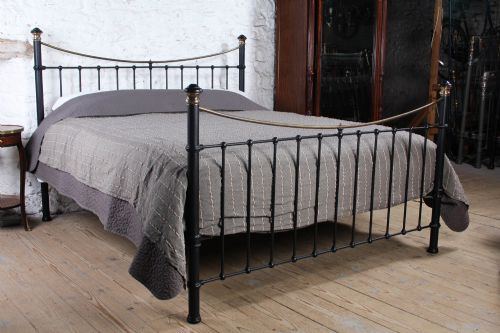


Super King Metal Bed
A super king metal bed brings generous proportions and enduring metalwork into the bedroom, offering substantial sleeping space paired with robust antique construction.
Super King Metal Bed
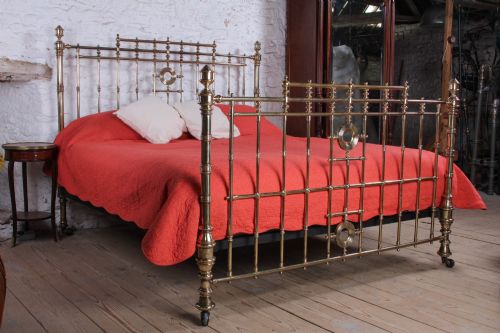
A super king metal bed offers expansive proportions combined with period metalwork, drawing on designs produced through the Victorian, Edwardian, and Art Nouveau eras. These large bed frames and bedsteads originate from Britain, France, and Italy, reflecting diverse regional tastes in domestic furniture.
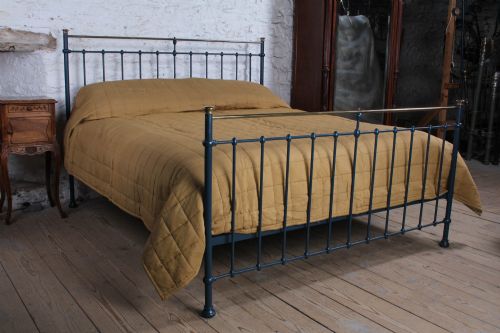
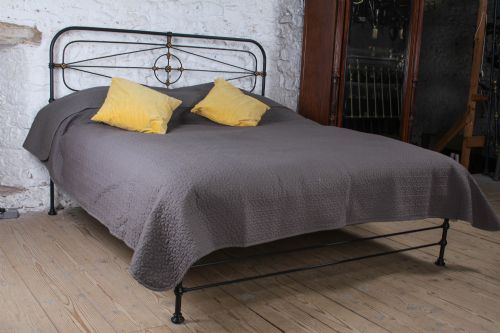
The most common examples on this page are substantial Victorian and Edwardian iron and brass combinations, alongside all-brass frames and painted metal versions. Forms range from ornate arched headboards to low footend configurations designed to suit modern interiors while retaining antique character.
Construction and materials
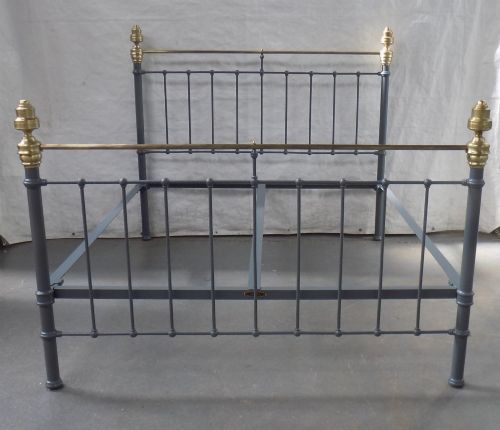
Makers utilised heavy cast iron and wrought iron for structural stability, frequently pairing dark or painted metal surfaces with polished brass spinnings and finials. Nickel-plated finishes also appear, providing a bright, protective metallic coating popular in continental workshops.
Joints and structural elements relied on robust foundry techniques, incorporating dovetailed iron side rails and heavy-duty corner brackets capable of supporting the wide span of a super king mattress.
Some iron beds hide maker stamps tucked discreetly into the footend brackets.
Assessing quality in antique metal beds
Quality rests in the crispness of the casting detail on iron components and the gauge of the brass used for top rails and mounts. Finer pieces display sophisticated surface decoration, such as intricate Art Nouveau botanical motifs or heavy brass mouldings.
The integrity of the original construction dictates overall desirability, particularly where makers incorporated branded foundry stamps or employed superior joining systems to maintain rigidity across the extra-wide frame.
Maple and Co·Winfield
The Super King Metal Bed Glossary
- Bedstead
- A framework of a bed upon which the mattress rests. This traditional term encompasses both the head and foot assemblies joined by side rails.
- Dip rail
- A headboard or footboard rail that curves downward in the centre. This configuration lowers the visual profile at the foot of the bed.
- No end bed
- A bedstead lacking a high footboard, often termed a low footend. This design assists with movement around the room and accommodates longer bedding.
- Spinnings
- Hollow metal components shaped by rotating sheet brass or iron against a lathe. They form decorative finials, knobs, and mounts on period frames.
- Wrought iron
- Iron that has been heated and shaped with tools by a blacksmith. It offers high tensile strength and fibrous resilience compared to brittle cast iron.
Super King Metal Bed: Frequently Asked Questions
Will a super king metal bed fit modern mattresses?
These antique frames were built to generous proportions, but internal rail dimensions can vary slightly from standard modern sizes. Checking the exact width and length between the side rails ensures a secure fit for contemporary super king mattresses.
Adding modern wooden slats or a supportive base platform helps bridge any gap between historic sizing and current mattress standards without altering the antique frame.
How do I care for painted iron and brass?
Painted iron surfaces require gentle dusting and cleaning with a dry or barely damp cloth to protect the original finish. Avoid harsh chemical solvents that can strip historic paint layers.
Brass components can be polished lightly with a non-abrasive metal cleaner if a bright shine is preferred, though many collectors leave them with a natural aged patina.
Are these beds easy to assemble?
Most period metal beds use wedge-fit or slot-in iron side rail connections that require no screws or specialised tools. The heavy components simply lock together under their own weight.
Having two people for assembly makes handling the heavy cast iron and brass sections much safer and ensures the frame squares up correctly before adding slats.
How do I distinguish Victorian from Edwardian frames?
Victorian examples tend to feature heavier cast iron structures with robust brass mounts and sometimes highly ornate, buttoned or curved detailing. They often reflect a more exuberant approach to domestic metalwork.
Edwardian designs frequently display lighter linear geometries, sometimes incorporating simpler dip rails or refined Art Nouveau influences that lighten the visual weight in the bedroom.