




Stuffed Birds in Glass
Stuffed birds in glass are preserved avian taxidermy specimens enclosed within protective domes and glazed cases, bringing nineteenth-century natural history directly into the modern interior.
Stuffed Birds in Glass
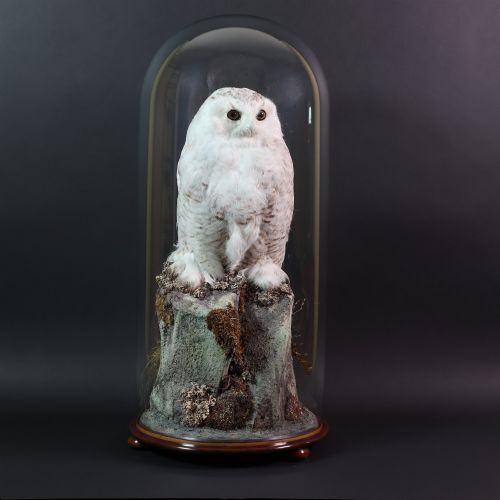
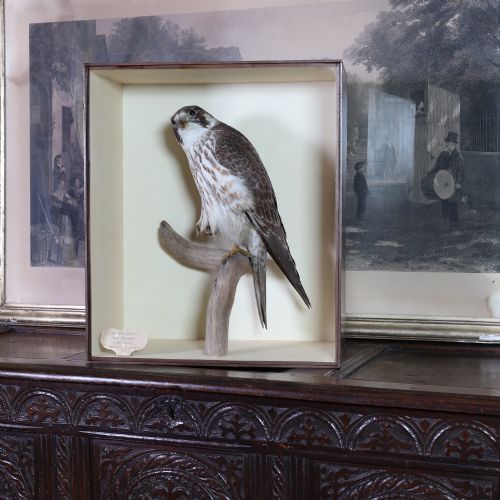
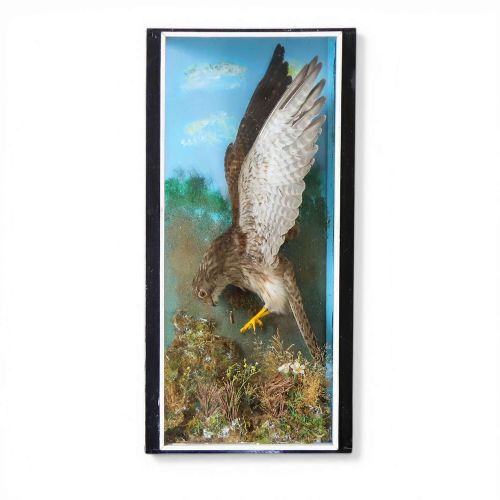
Stuffed birds in glass appear primarily as Victorian and early twentieth-century creations, encompassing single specimens and complex dioramas. These pieces take the form of wooden cases, flat-sided domes, and traditional glass domes protecting mounted birds within constructed habitats.
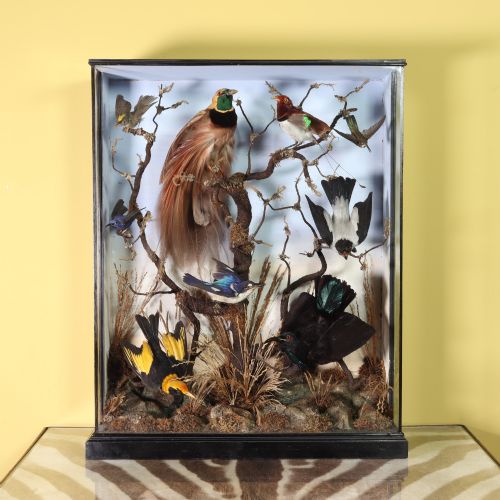
The specimens range from native British species such as pheasants, herons, moorhen, and snow buntings to exotic imports including birds of paradise, parrots, and hummingbirds. Cases and domes arrange these specimens alongside preserved flora and painted backdrops to simulate natural surroundings.
Originating largely from English workshops, these displays reflect the Victorian passion for natural history and domestic ornithological study. Surviving examples preserve delicate plumage inside intact glass enclosures that shield the taxidermy from dust and handling.
Materials and construction
Taxidermists mounted avian skins over carved or artificial body forms using feathers, wire, and cotton, arranging the preserved specimens within glazed enclosures. These protective glass covers sit upon timber bases, frequently finished in ebonised wood to provide a dark contrast against bright plumage.
Internal settings incorporate natural materials including dried moss, grasses, branches, and artificial flora, sometimes backed by painted paper panels depicting skies or woodland scenes. The glass components utilise blown or sheet glass techniques to create domes and rectangular cases sealed against environmental decay.
Stuffed Birds in Glass Retail Price Guide 2026
Typical asking prices for stuffed birds in glass among the pieces listed under this phrase on Sellingantiques today, from the lower quarter to the upper quarter. They describe what is for sale here now, not the wider market.
Snow scenes featuring delicate waxwings or buntings let you admire winter taxidermy without getting your boots cold.
Evaluating quality and execution
Quality rests upon the lifelike posture of the taxidermy specimen and the preservation of the delicate feather structure over time. Superior examples display natural anatomical proportions and dynamic positioning rather than rigid or flattened forms.
The complexity of the setting distinguishes standard domestic mounts from ambitious compositions containing multiple exotic species and detailed painted backdrops. The clarity of the original glass dome and the construction standard of the wooden base further determine the overall integrity of the piece.
Henry Ward London·A Pollard·James Gardner
The Stuffed Birds in Glass Glossary
- Taxidermy
- The art of preparing, stuffing, and mounting the skins of animals for display. In avian examples, this involves arranging feathers and posture to mimic a living bird.
- Ebonised wood
- Timber treated with a dark stain or finish to imitate ebony. This material frequently forms the base of glass domes and display cases.
- Diorama
- A three-dimensional scene featuring taxidermy specimens placed within an artificial landscape. These displays often include painted paper backgrounds and preserved flora.
- Dome
- A rounded glass cover mounted on a wooden base to protect delicate objects. Flat-sided variants provide altered viewing angles for enclosed birds.
Stuffed Birds in Glass: Frequently Asked Questions
Where should I place a dome?
Position your glass display away from direct sunlight and strong heat sources to prevent the plumage from fading and the timber from warping.
Select a stable surface where the heavy glass cover and wooden base will remain secure from accidental knocks.
Are these birds native species?
The listings include both British birds such as pheasants and moorhens alongside exotic specimens from South America, New Guinea, and Australia.
Exotic imports often feature brightly coloured plumage like birds of paradise and parrots housed in large decorative domes.
How do I date a case?
Examine the construction of the wooden base, the style of the framing, and any maker labels affixed to the interior or underside.
Victorian pieces frequently utilise ebonised wood bases and hand-painted paper backgrounds, while early twentieth-century examples show variations in case joinery.