

Study Table with Drawers
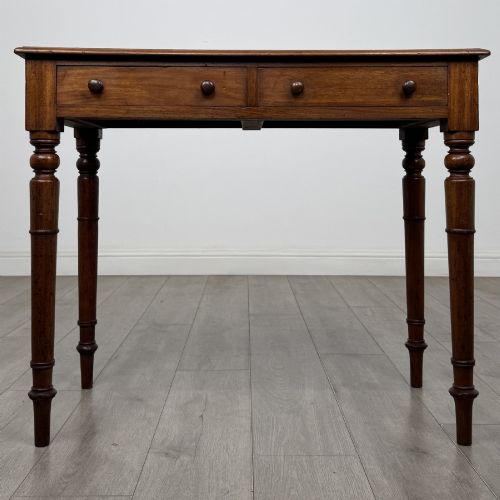
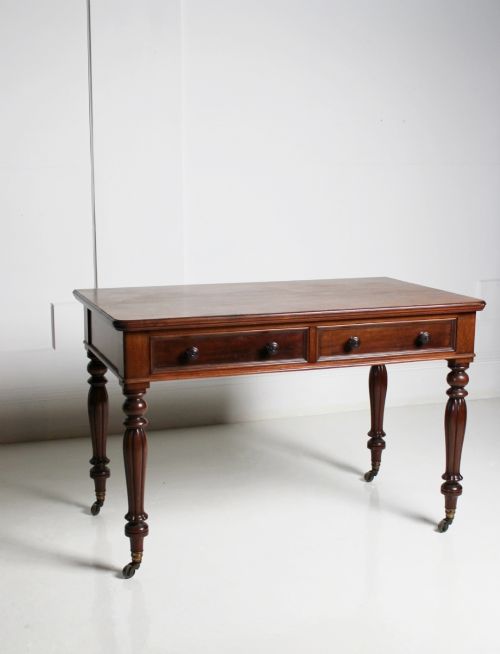
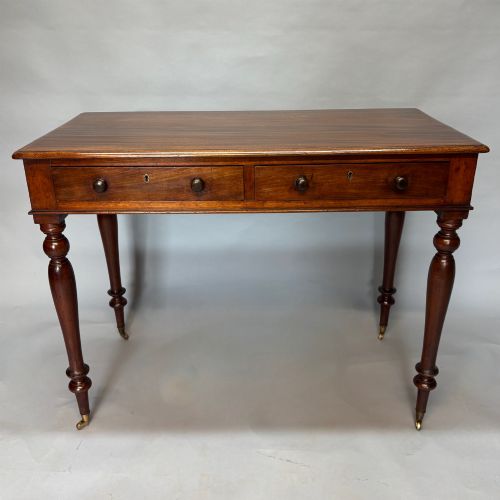
A study table with drawers provides a dedicated writing space, combining practical storage with period character for the home office.
Study Table with Drawers
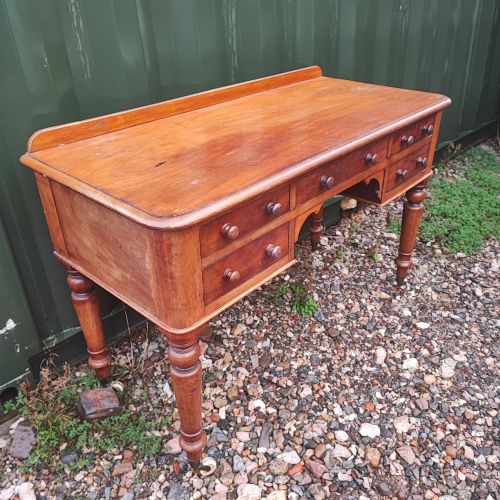
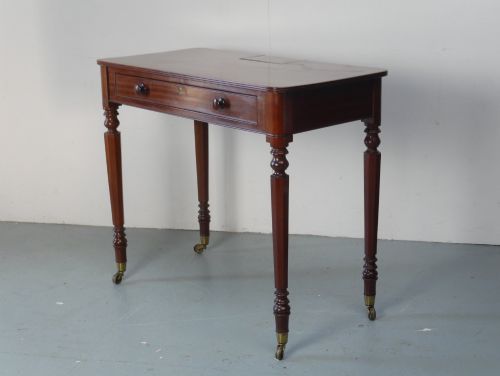
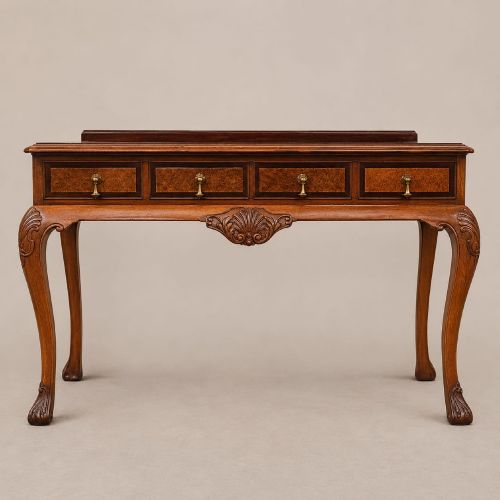
A study table with drawers serves as a functional workspace, appearing across periods from the Georgian era through the Victorian and Edwardian decades. These pieces function primarily as writing desks, library tables, and pedestal desks equipped with useful compartments.
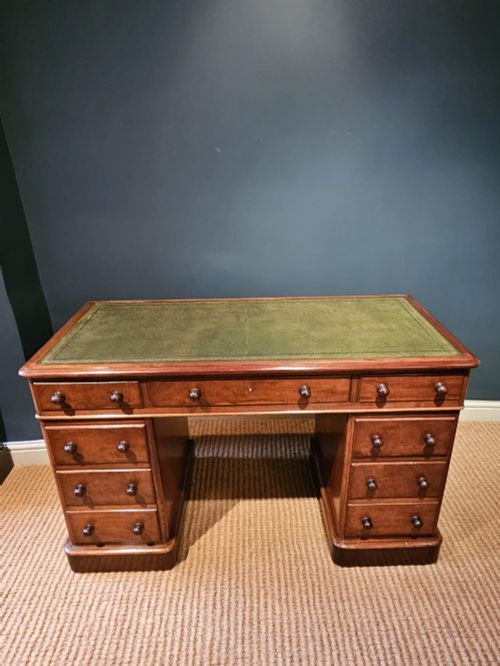
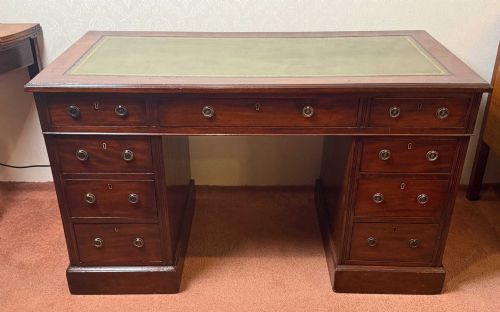
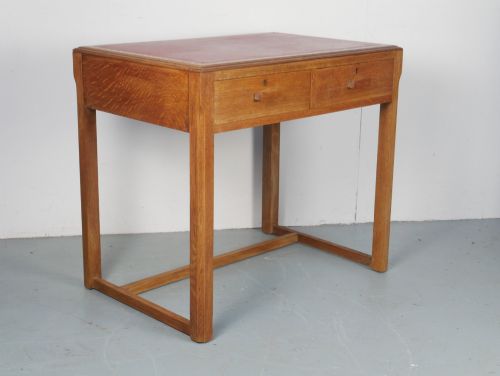
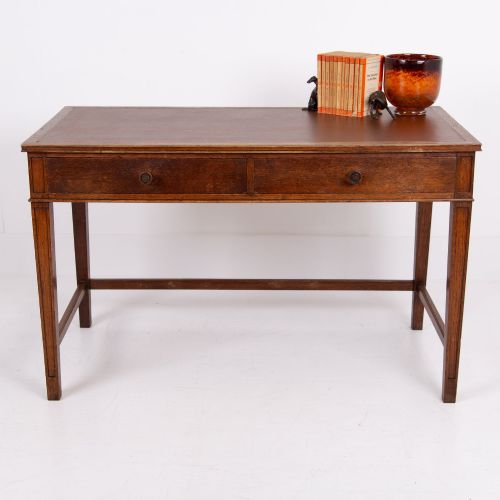
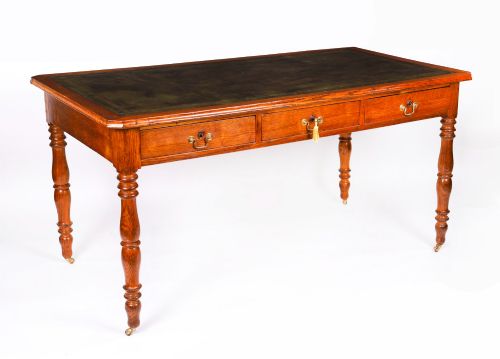
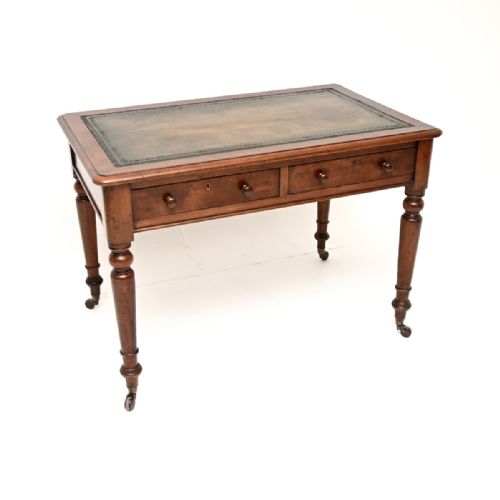
The version most commonly met on this page is the Victorian mahogany writing table, frequently featuring inset leather tops and multiple drawer configurations. Alongside these, buyers encounter Edwardian satinwood and mahogany pieces, as well as Arts and Crafts oak tables.
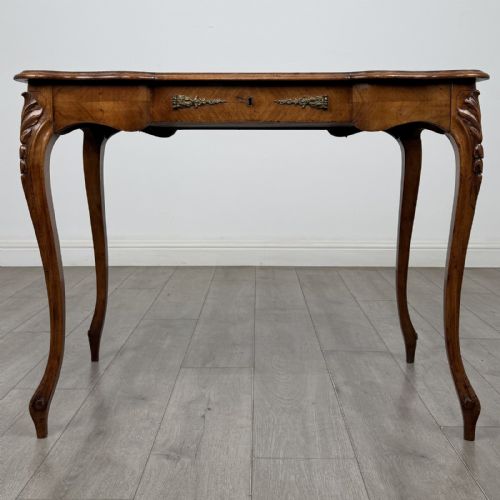
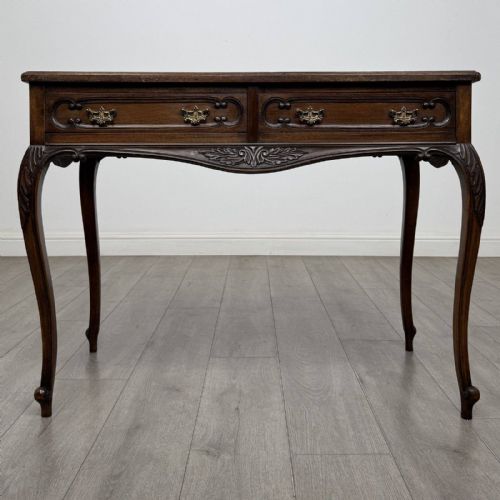
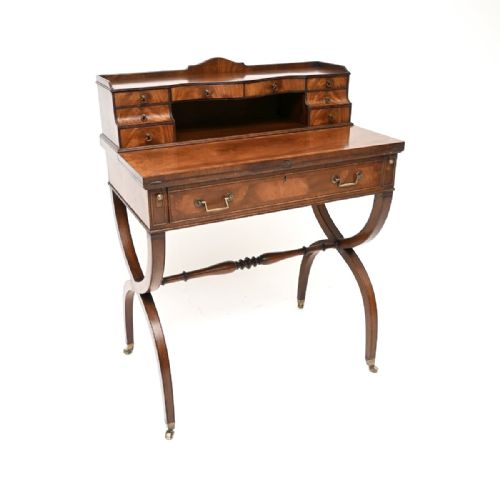
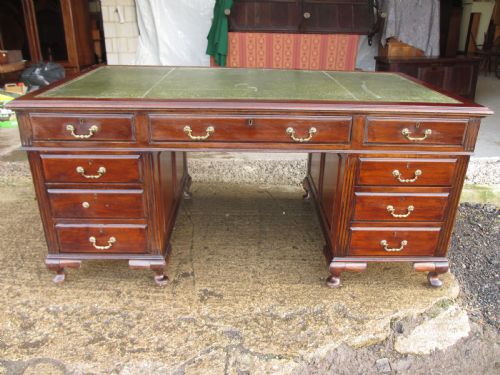
Formations range from freestanding pedestal kneehole desks with fitted stationery drawers to simpler side tables and dressing tables adapted for writing. Origins span traditional British workshops, incorporating styles from Regency to Queen Anne.
Materials and construction
Timbers dictate the character of these tables, with solid and veneered mahogany forming the backbone of the selection, complemented by walnut, burr walnut, satinwood, and oak. Brass hardware, swan neck handles, and tooled leather writing surfaces provide both function and decorative contrast.
Joinery techniques rely on traditional craftsmanship suited to each period, utilising dovetailed drawer construction and framed structures to support daily use. Inlaid marquetry, hand-painted details, and carved pillars occasionally elevate the exterior finish of Edwardian and Georgian examples.
Study Table with Drawers Retail Price Guide 2026
Typical asking prices for study table with drawers among the pieces listed under this phrase on Sellingantiques today, from the lower quarter to the upper quarter. They describe what is for sale here now, not the wider market.
Listings feature study tables spanning the Georgian, Victorian, and Edwardian periods, utilising mahogany, oak, walnut, and satinwood.
What separates the tiers
Quality rests heavily on the selection of timber figures, such as flame mahogany or burr walnut, and the crispness of any inlaid marquetry or hand-painted details. Finer examples display meticulous attention to secondary woods inside the drawers and precise dovetailing.
Hardware integrity and the original condition of inset leather writing surfaces also distinguish higher tiers from standard utility pieces. Maker attributions, when present through stamps or known signatures, further mark out superior workshops.
Maple and Co·Hobbs and Co·Blyth and Son
The Study Table with Drawers Glossary
- Pedestal desk
- A heavy freestanding desk comprising two pedestals of drawers supporting a single desktop. These units often feature central kneeholes and fitted stationery drawers.
- Library table
- A large freestanding table designed for central placement in a room, traditionally used for holding books and papers. They often incorporate multiple drawers along the frieze.
- Kneehole
- The central recessed space beneath a desk designed to accommodate the user's legs while seated. Pedestal desks typically feature this architectural void.
- Stationery drawer
- A smaller compartment integrated within a desk superstructure or interior tier, designed specifically for holding writing paper and envelopes.
- Marquetry
- Decorative veneer work created by fitting small pieces of wood, brass, or shell into a pattern to form intricate designs on the surface.
Study Table with Drawers: Frequently Asked Questions
What is a study table with drawers?
A study table with drawers is a dedicated surface designed for writing and paperwork, incorporating built-in storage compartments beneath the main top. These pieces range from simple single-drawer side tables to grand twin-pedestal library desks.
Historically utilised in studies, libraries, and home offices, they offer a stable writing platform alongside organised space for documents and stationery.
How do I date an antique desk?
Dating relies on observing the combination of timber choices, construction methods, and prevailing decorative styles. Georgian pieces often display clean, linear proportions in mahogany, while Victorian examples frequently favor heavier pedestal formats with turned handles.
Later Edwardian pieces introduce lighter satinwood timbers and painted ornamentation. Hardware types and drawer dovetailing also offer reliable clues to the decade of manufacture.
Where should I place a library table?
Library tables are traditionally designed to sit freestanding in the centre of a room rather than pushed against a wall. Because their back panels are usually finished to the same standard as the front, they look balanced from every angle.
Ensure you leave adequate clearance around the piece for a chair and comfortable movement within your study space.
Can I use a vintage desk daily?
These tables are built from durable hardwoods like mahogany, oak, and walnut, making them fully suited for regular modern use. Their solid construction easily accommodates laptops, desktop accessories, and daily paperwork.
To preserve the finish, use a blotter on leather inserts and avoid placing hot cups directly onto polished wooden surfaces.