


Studio Pottery Art
Studio pottery art represents the hands of individual makers shaping clay, offering tactile forms and rich glazes that anchor a room.
Studio Pottery Art
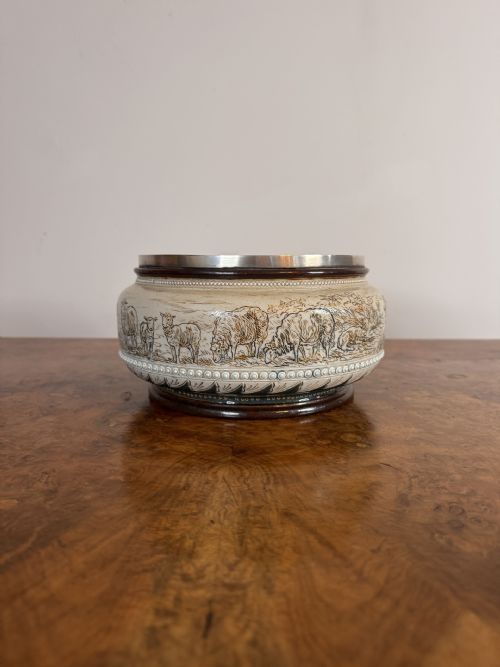
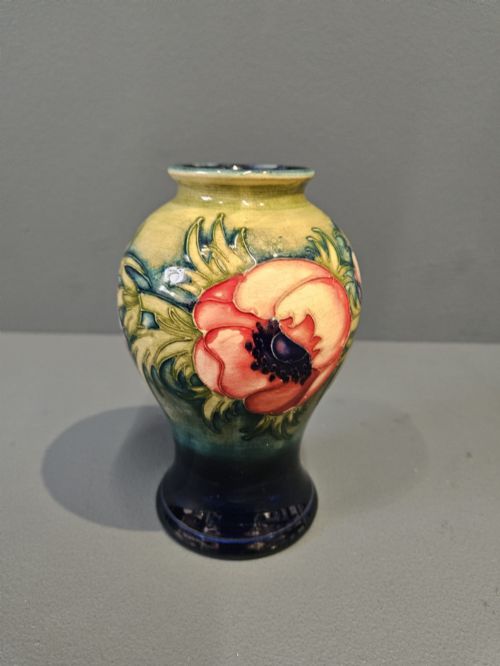
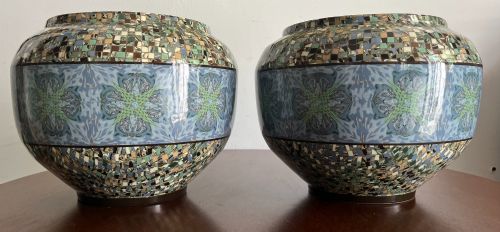
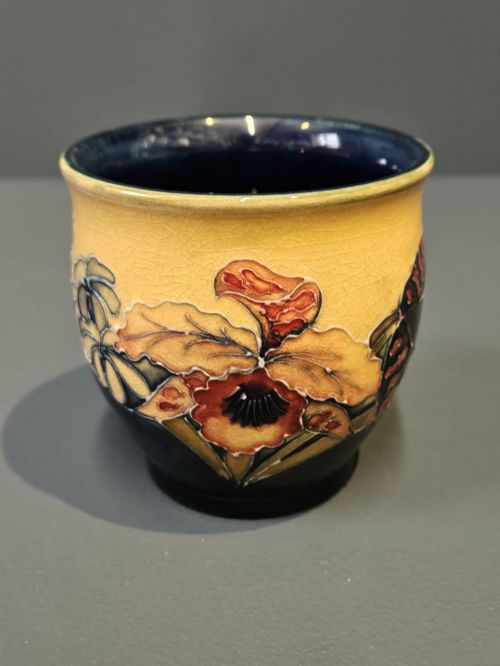
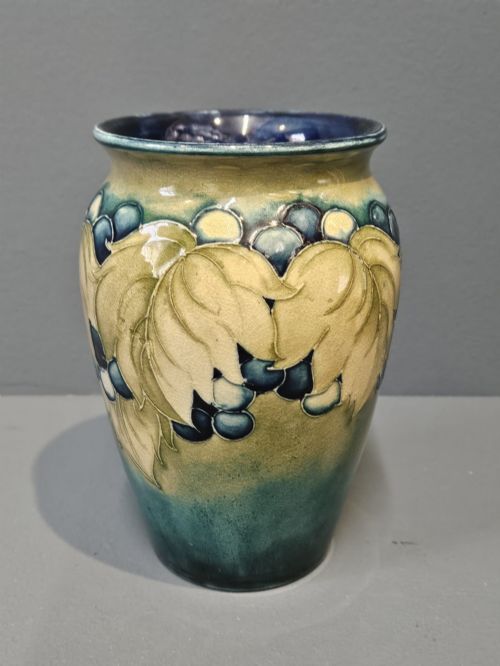
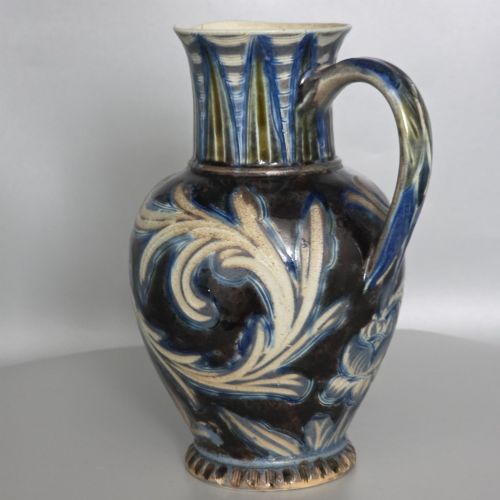
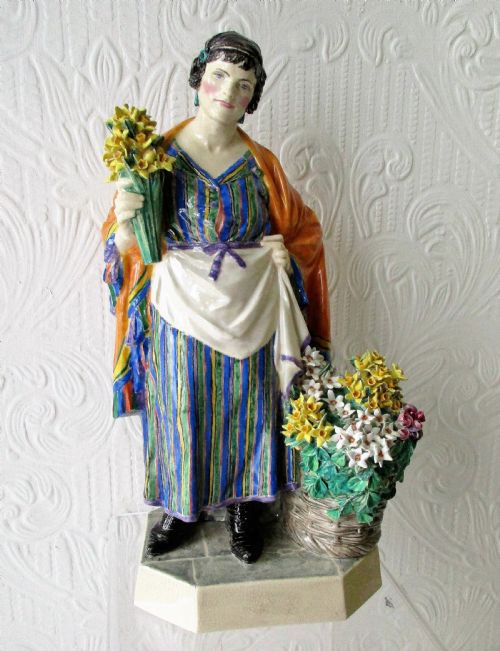
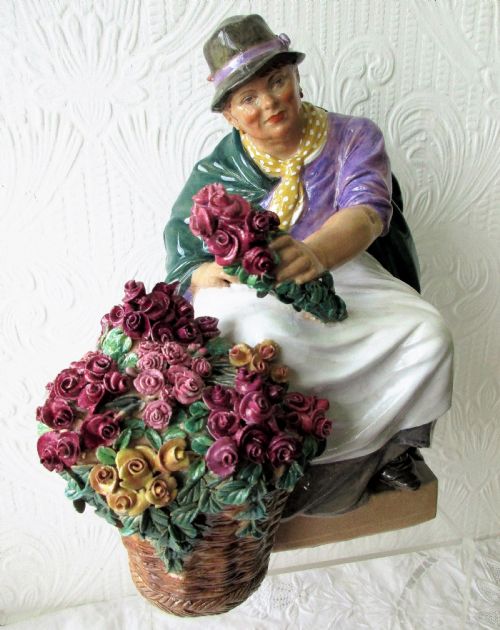
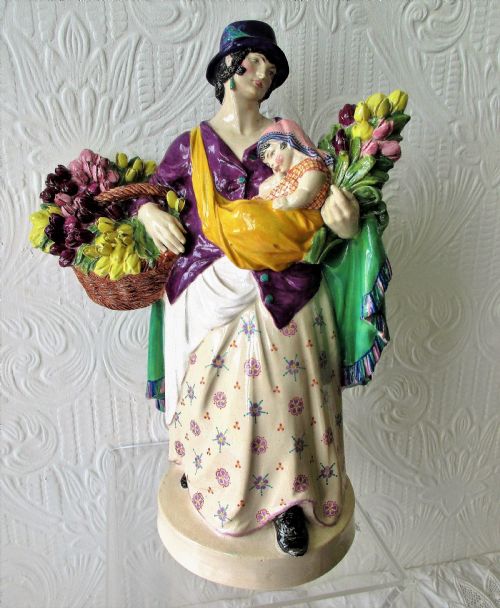
Studio pottery art encompasses diverse ceramic works created by named makers and independent potteries spanning from the late nineteenth century through the mid-twentieth century. Collectors encounter varied vessel forms such as vases, jugs, pitchers, decorative bowls, and sculptural figures.
How they were made
Potters shaped bodies from earthenware, stoneware, and terracotta, utilising local clays and refined pastes before applying complex mineral glazes. High-firing techniques in kilns fused metallic oxides into the surface to create crystalline patterns and deep colour variations.
Many items display hand-thrown wheel construction or intricate hand-modelling, supplemented by incised decoration and hand-painted motifs. Workshops employed salt glazing and specialised lustre techniques to achieve distinctive surface textures and sheens.
Studio Pottery Art Retail Price Guide 2026
Typical asking prices for studio pottery art among the pieces listed under this phrase on Sellingantiques today, from the lower quarter to the upper quarter. They describe what is for sale here now, not the wider market.
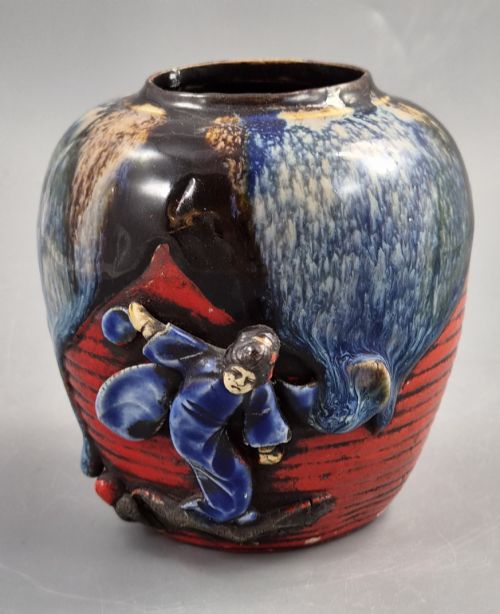
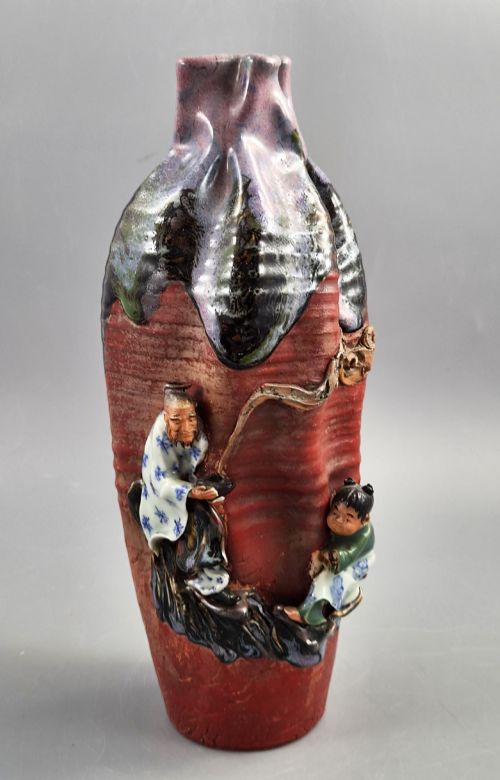
Several vases feature tiny clay figures climbing up the sides as if exploring the glaze.
What varies in quality
Quality rests in the harmony of the thrown form with the behaviour of the glaze with heat and minerals. A successful piece demonstrates absolute control over the kiln atmosphere, allowing crystalline or flambé effects to settle naturally across the contours.
The precision of hand-modelled detail and the clarity of maker signatures or stamps further separate standard production from exceptional studio output. Stronger examples exhibit deliberate balance in weight and proportion, where every stroke of pigment or carved line serves the overall silhouette.
Doulton Lambeth·Charles Vyse·Berthe Savigny·Sir Edmund Elton·Makuzu Kozan·Richard Joyce·Roger Guerin
The Studio Pottery Art Glossary
- Stoneware
- A sturdy ceramic body fired at high temperatures until vitrified and completely non-porous. It absorbs no moisture and rings when struck gently.
- Crystalline glaze
- A chemical finish that develops zinc silicate crystals suspended within the glass matrix during cooling. Each fired pattern is entirely unique.
- Flambé glaze
- A streaked or mottled glaze rich in copper or other metallic oxides that shifts in colour under reduction firing. It produces rich blues, purples, and reds.
- Earthenware
- A porous pottery body fired at lower temperatures than stoneware or porcelain. It requires an impermeable glaze layer to hold liquids safely.
- Suiban
- A shallow Japanese ceramic basin traditionally used for arranging flowers or holding water for brush cleaning. These pieces often feature applied figural elements.
Studio Pottery Art: Frequently Asked Questions
How do I clean old studio pottery?
Dust surfaces gently with a dry, soft brush to protect fragile glazes and unglazed terracotta areas from abrasion.
Avoid immersing antique earthenware or pieces with repaired sections in water, as moisture can penetrate porous clay bodies or weaken old adhesives.
Are these pots waterproof?
Stoneware vessels generally hold water safely due to their vitrified, non-porous clay bodies.
Earthenware pieces and items with deliberate crazing in the glaze should contain a protective liner if used for fresh flowers.
How do I spot a maker mark?
Inspect the recessed base for incised signatures, painted monograms, or impressed factory stamps beneath the glaze.
Some makers utilised paper labels that wore away over time, requiring stylistic comparison with documented pieces to confirm origin.
Where should I display these pieces?
Place vessels away from direct, harsh sunlight to prevent gradual fading on hand-painted enamel decorations.
Position heavier stoneware and ceramic figures on stable, level surfaces where accidental knocks are unlikely to occur.