



Studio Picture Display Stand
A studio picture display stand holds art with purpose, and these pieces bring functional timber and metal joinery straight into the room.
Studio Picture Display Stand
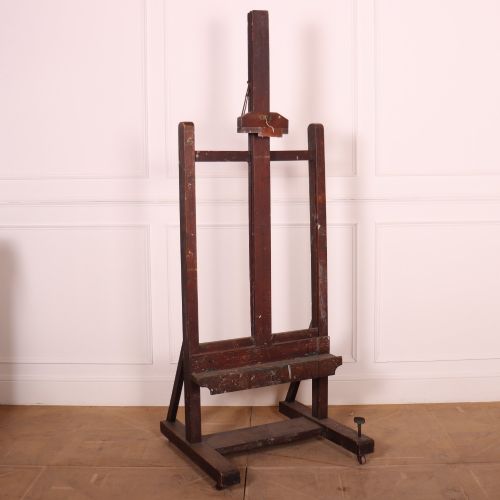
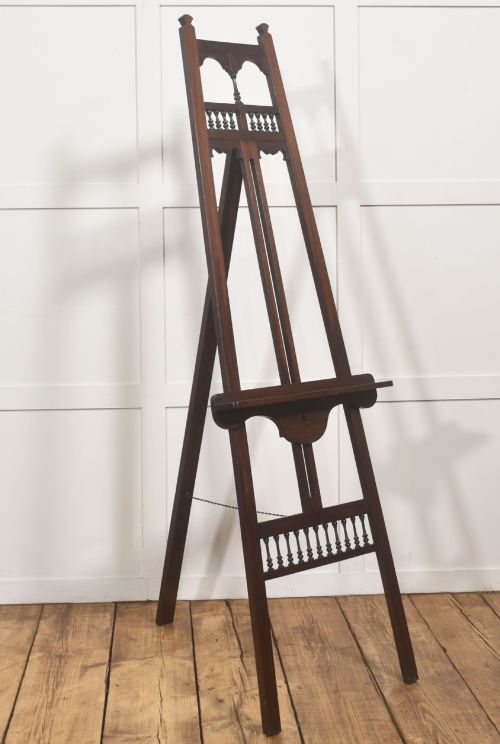
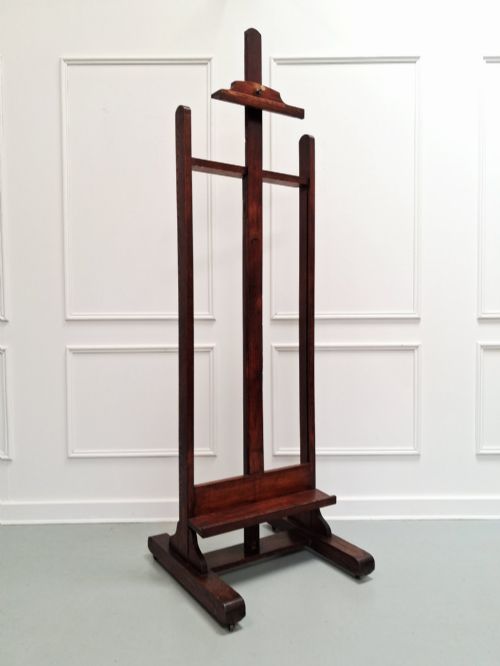
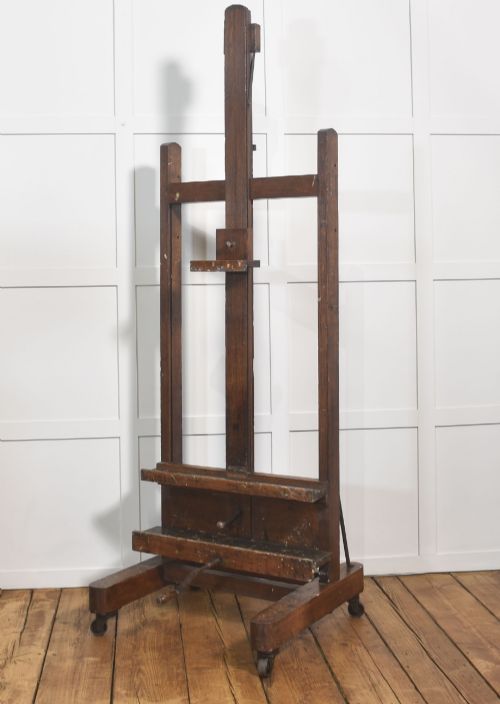
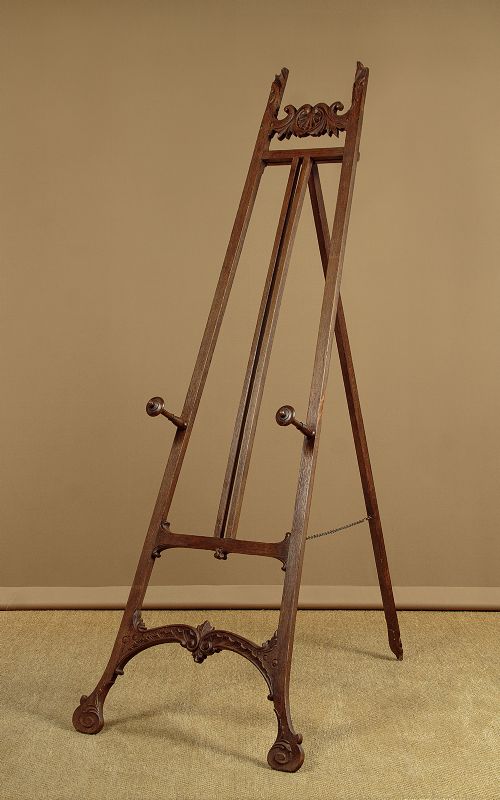
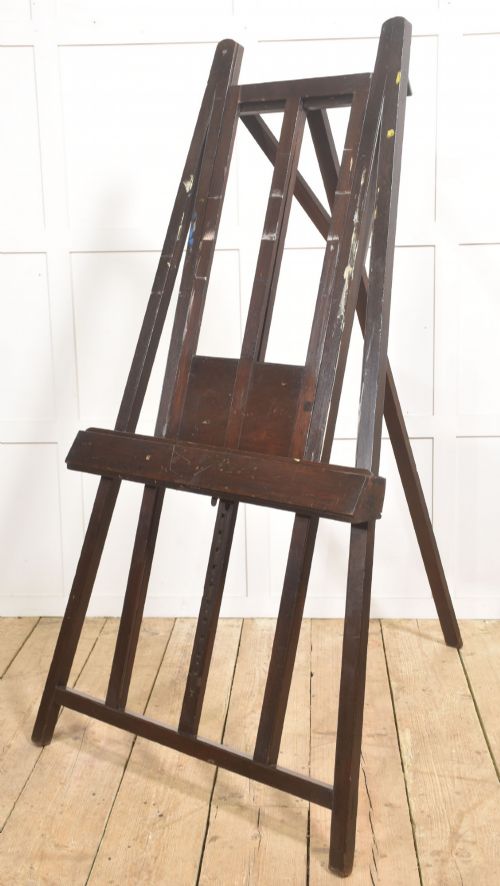
When you search for a studio picture display stand, you encounter substantial floor standing easels and compact tabletop versions designed to showcase artwork. These pieces emerge from periods spanning the Victorian era through the early twentieth century, including nineteen-thirty and nineteen-ten.
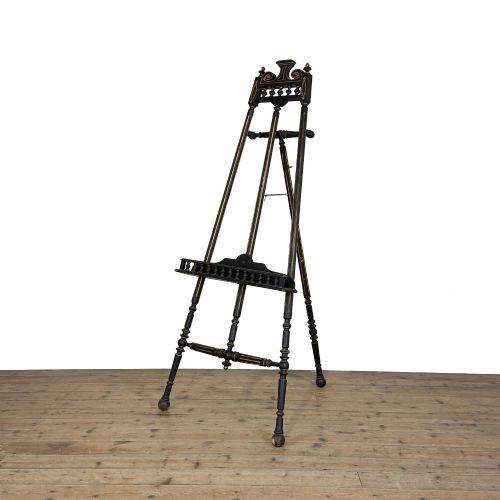
Tabletop variants appear in French oak and pitch pine, while larger structures utilise robust mahogany, cast iron, and ebonised wood. Each formation serves to elevate paintings and photographs within a domestic or workshop interior.
Materials and construction methods
Carpenters constructed these supports using durable hardwoods such as oak and mahogany, complemented by pitch pine and ebonised wood finishes. Joinery methods prioritise structural stability to bear the weight of heavy canvases and framed works safely.
Metal components, including brass, iron, and cast iron, form adjustable cranks, brackets, and fittings that allow precise height and angle modifications. Certain items incorporate gold leaf detailing or carved ornamentation, particularly within Aesthetic movement and French country designs.
Studio Picture Display Stand Retail Price Guide 2026
Typical asking prices for studio picture display stand among the pieces listed under this phrase on Sellingantiques today, from the lower quarter to the upper quarter. They describe what is for sale here now, not the wider market.
Listings feature oak, mahogany, and pitch pine alongside iron and brass hardware across Victorian, Edwardian, and nineteen-thirty periods.
Judging the quality of display stands
Quality rests upon the integrity of the timber frame and the smooth operation of mechanical adjustment mechanisms. Superior examples exhibit precise joinery, robust wood selection, and retain their original functional hardware without excessive replacement parts.
The refinement of decorative carving, such as swan motifs or aesthetic style linear details, distinguishes standard utilitarian framework from finer artistic productions. Finish preservation, whether polished mahogany or ebonised wood, indicates how well a piece survived active studio use.
Windsor and Newton
The Studio Picture Display Stand Glossary
- Easel
- An upright support used for holding an artist's canvas or displaying a finished picture during work or exhibition.
- Aesthetic Movement
- A late nineteenth century design style emphasising visual beauty over narrative function, often featuring ebonised surfaces and stylised motifs.
- Double Sided Gallery Easel
- A heavy floor standing support designed to display two artworks simultaneously on opposing faces.
- Pitch Pine
- A resinous softwood utilised in French regional furniture and studio equipment for its strength and grain pattern.
- Cast Iron
- A robust metal alloy used to form heavy base plates, winding cogs, and structural brackets on nineteenth century studio machinery.
Studio Picture Display Stand: Frequently Asked Questions
What is a studio picture display stand?
A studio picture display stand is an adjustable timber or metal structure designed to hold paintings and framed art securely at a viewing height. These objects range from massive nineteenth century artist's easels to smaller tabletop models.
They function equally well as practical tools for painters and as permanent display furniture within domestic rooms and galleries.
How do I identify Victorian and Edwardian easels?
Victorian examples often display dark ebonised woods, heavy cast iron fittings, or elaborate Aesthetic movement carving. Edwardian and nineteen-ten pieces tend to show lighter oak construction with simplified structural lines.
Examining the metal winding mechanisms and timber grain helps anchor each piece securely within its specific period.
Were these stands used by artists?
Many large floor standing examples served directly in nineteenth century artists' studios for active painting and sketching. Fully adjustable frames and double sided gallery formats allowed painters to alter canvas heights easily.
Tabletop variants were typically employed for smaller works or secondary domestic exhibitions.
Can these stands hold heavy framed art?
Robust oak and mahogany floor standing frames with iron or brass adjustment screws easily support large, heavy canvases. The sheer weight of the timber base prevents tipping under load.
Smaller tabletop versions suit lighter framed pictures and photographs rather than massive oil paintings.
How do I care for antique wood easels?
Maintain the timber by dusting regularly with a dry cloth and occasionally applying suitable wax polish to nourish dry surfaces. Avoid placing stands near direct heat sources to prevent timber splitting.
Check metal adjustment screws periodically to ensure smooth operation without forcing rusted components.