




Studded Oak Dining Chairs
Studded oak dining chairs bring solid timber frames and traditional upholstery together around the table, offering lasting utility and historical presence.
Studded Oak Dining Chairs
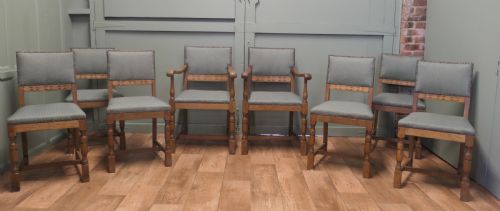
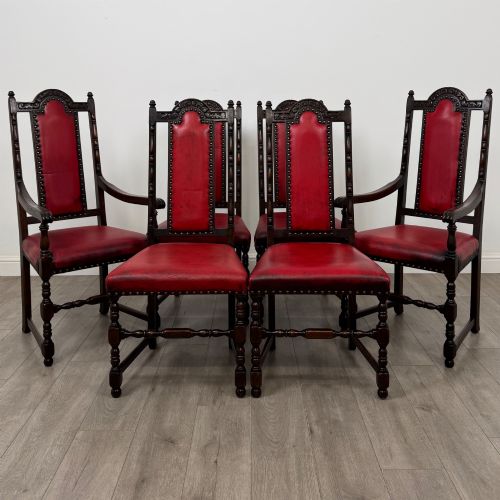
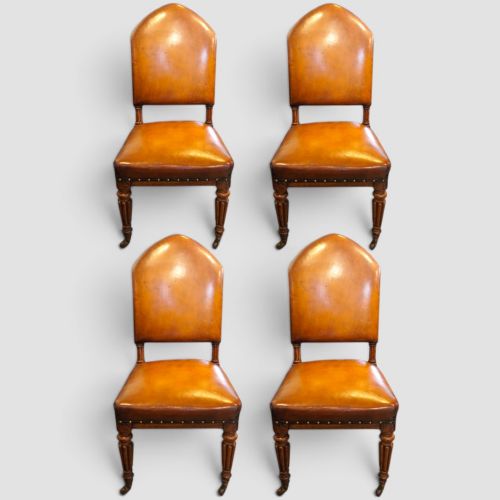
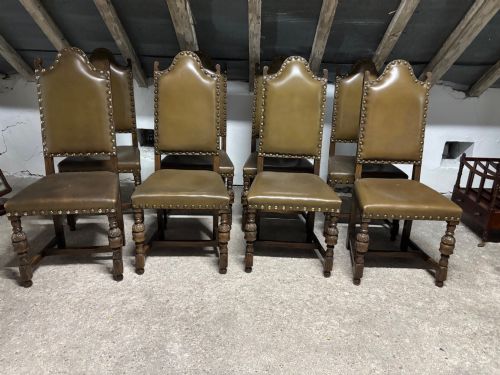
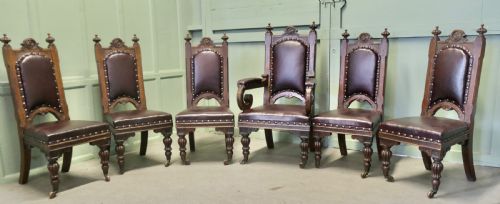
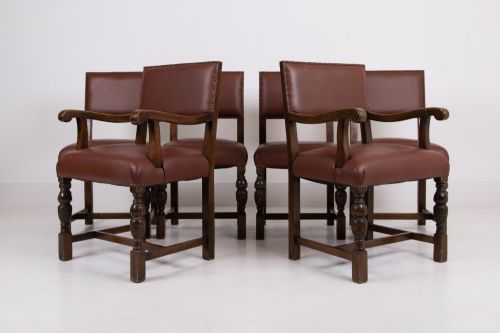
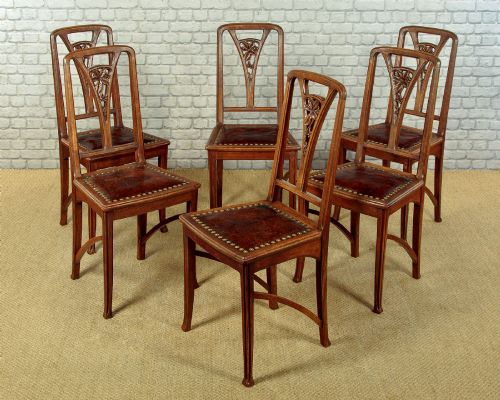
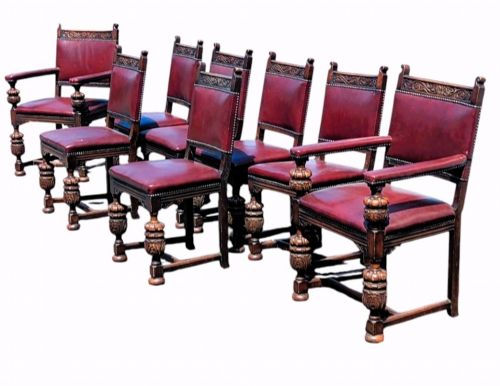
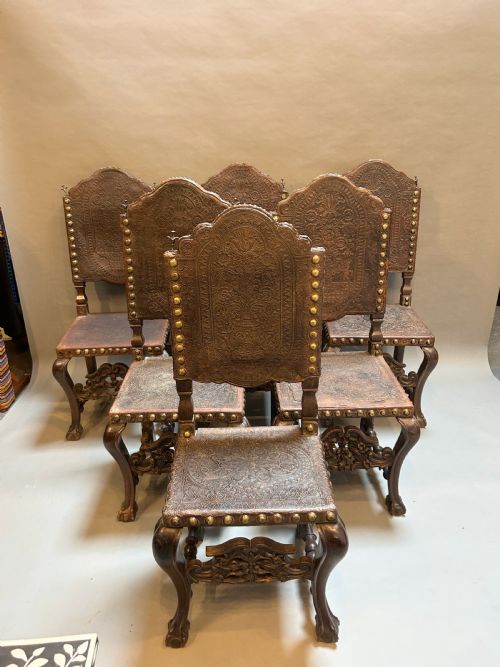
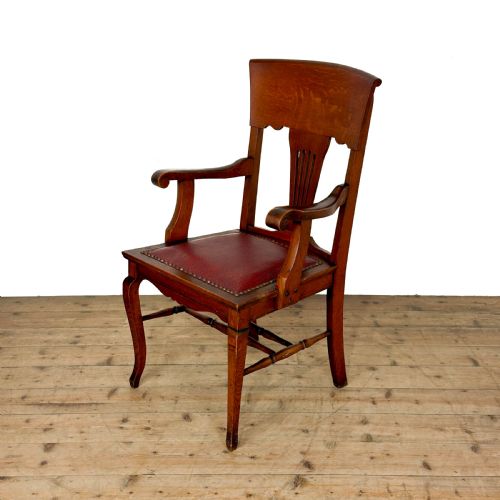
When you search for studded oak dining chairs, you encounter seating constructed predominantly from solid oak timbers and fitted with upholstered pads secured by metal fasteners. These pieces appear frequently in sets intended for formal dining tables, though individual armchairs and side chairs also emerge.
The selections span numerous revivalist aesthetics and functional forms, reaching from high back variants to low seat designs. Victorian and Edwardian examples dominate the listings, alongside pieces attributed to the Arts and Crafts movement and earlier seventeenth century stylistic revivals.
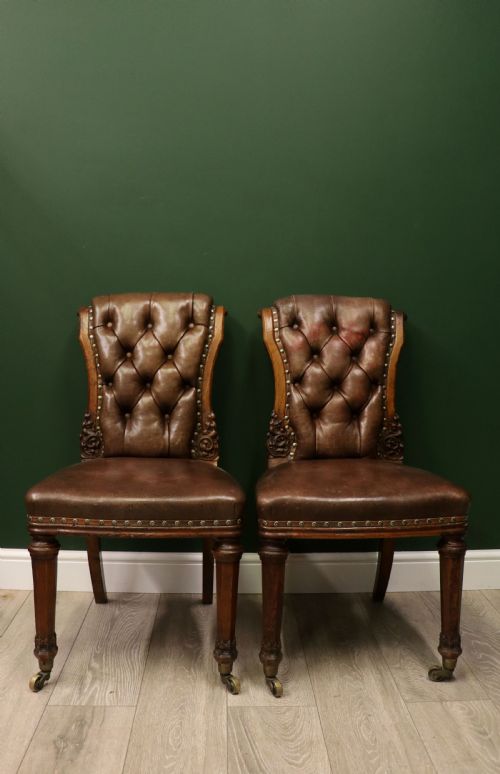
Buyers frequently locate larger groupings alongside smaller pairs or single hall chairs. The structural frameworks consistently rely on heavy timber framing, often embellished with hand carving or turned wooden stretchers.
Construction and Materials
Makers utilised dense native and imported timbers, primarily framing these seats in solid oak while incorporating supplementary elements of walnut, elm, and painted wood. The structural joints typically employed traditional mortise and tenon joinery to endure daily weight.
Upholstery components combined leather, woven fabric, and internal stuffing secured firmly to the wooden foundations by metal studs. These decorative fasteners served the dual purpose of holding the hide or textile tightly against the wooden rails while adding a distinct visual border.
Several dining sets include church chairs, proving that eighteenth and nineteenth century congregations occasionally enjoyed very sturdy timber seating.
Assessing Quality
The standard of carving and timber selection determines the distinction between standard production and exceptional craftsmanship. Deeply hand carved detailing on the crest rails and stiles indicates superior workshop attention compared to machine routed patterns.
The integrity of the original joints and the weight of the timber frame dictate structural endurance. Heavier oak construction with tight joinery maintains stability over generations of regular dining use.
Lamb Of Manchester·George Henry Walton
The Studded Oak Dining Chairs Glossary
- Jacobean Revival
- A nineteenth and twentieth century design movement that imitates the heavy, dark carved oak furniture characteristic of the seventeenth century.
- Cromwellian Style
- A sparse, functional aesthetic featuring straight wooden members and leather upholstery fastened with large metal studs.
- High Back
- A chair design featuring an elevated vertical frame intended to support the entire upper back of the sitter.
- Stiles
- The upright vertical side pieces of a chair back that connect the seat to the top rail.
Studded Oak Dining Chairs: Frequently Asked Questions
How do I date these chairs?
Dating relies on examining the timber grain, tool marks, joinery techniques, and the specific revival style employed by the maker. Stylistic cues often point toward Victorian or Edwardian periods, while construction details reveal older hand methods.
Comparing the turning on the legs and the method used to secure the upholstery provides further chronological clues. Later reproductions often betray themselves through modern fixings or machine cut timber.
Are these chairs comfortable for daily use?
Many of these pieces feature supportive high backs and padded leather or fabric seats designed for long dining sessions. Their ergonomic comfort depends heavily on the original seat depth and the height of the backrest.
Individual chairs vary in posture, with some offering upright formal support and others providing more relaxed seating angles. Checking the seat height relative to standard tables ensures proper daily utility.
How should I care for the leather?
Maintaining vintage leather upholstery requires gentle cleaning with appropriate conditioners to prevent the hide from drying and splitting around the metal studs. Avoiding direct sunlight and excessive heat preserves both the supple texture of the material and the integrity of the underlying stuffing.
Regular dusting prevents abrasive particles from settling into the creases of the hide. Periodic application of a neutral wax or leather balm keeps the surface nourished.
What defines the Cromwellian style?
Cromwellian seating is characterised by rectangular wooden frames, straight legs connected by low stretchers, and unpretentious leather panels fastened directly with brass or iron studs. This austere aesthetic emerged during the mid seventeenth century and experienced revivals in later eras.
The absence of elaborate carving distinguishes these frames from ornate baroque or rococo designs. Their appeal lies in structural robustness and straightforward geometry.