







Stud Trim Chair
A stud trim chair brings tactile perimeter detailing and traditional seating presence straight into a room.
Stud Trim Chair
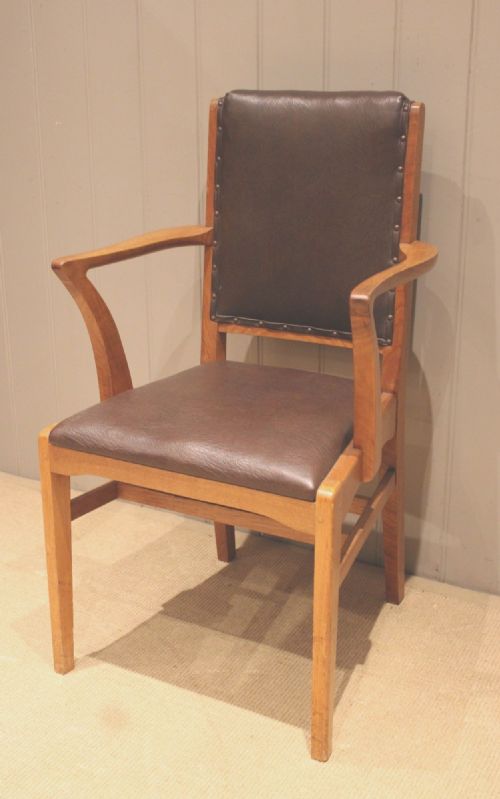
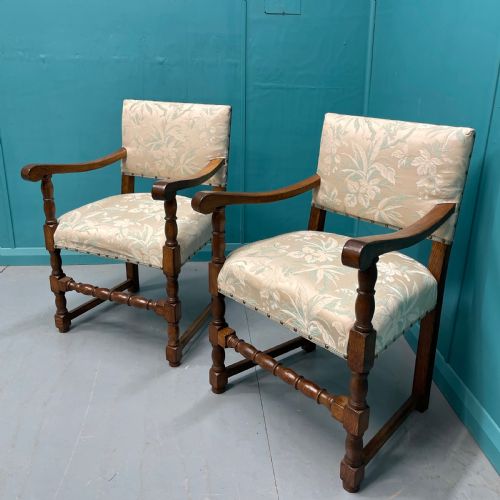
A stud trim chair relies on metal nailheads or tacks driven into the upholstery to secure fabric or leather edges to the frame, creating a decorative border. These pieces range from substantial George III mahogany wing chairs and Victorian library seating to lighter Edwardian bar stools, oak desk chairs, and 1930s deco dining sets.
The version most commonly met on this page is the upholstered armchair or wingback form featuring exposed brass or metal tacking along the armrests and wing profiles. Alongside these, buyers encounter dressing table stools, Captains chairs, and low club seating carrying the same characteristic perimeter nailing.
Origins stretch across Georgian, Victorian, Edwardian, and mid twentieth century periods, reflecting diverse stylistic revivals such as Queen Anne, George II, and Arts and Crafts. This variety ensures that whether the requirement is for a stately library seat or a compact desk chair, the fundamental detailing remains consistent.
Materials and construction
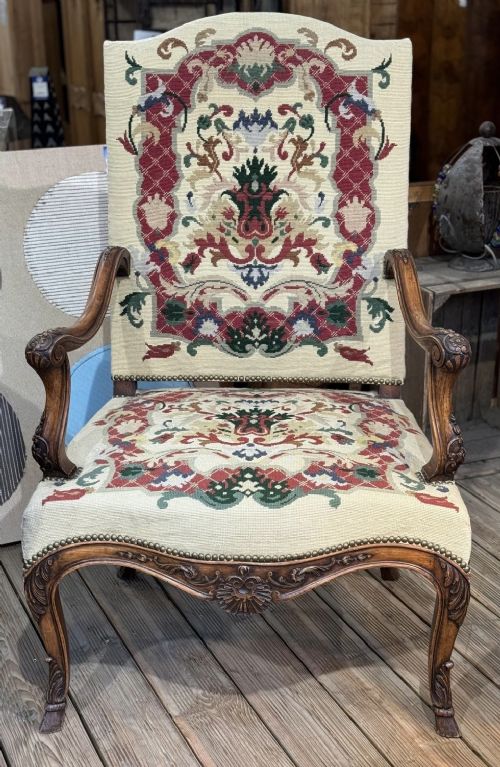
Construction relies on solid hardwood frames fashioned from mahogany, walnut, oak, and sometimes lighter timbers, joined to support deep upholstery and sprung or stuffed seats. Artisans shaped these frames to accept heavy coverings of leather, velvet, wool, or needlepoint tapestry.
The defining element involves individual brass or metal studs hammered by hand along the seams and borders of the upholstery. This technique anchored the textile layers securely to the wooden substrate while establishing a crisp, disciplined line of metalwork around the contours of the chair.
Stud Trim Chair Retail Price Guide 2026
Typical asking prices for stud trim chair among the pieces listed under this phrase on Sellingantiques today, from the lower quarter to the upper quarter. They describe what is for sale here now, not the wider market.
Materials utilised across the current selection include brass, leather, mahogany, walnut, oak, metal, velvet, and wool.
Assessing quality
Quality reveals itself in the harmony between the timber frame and the upholstery execution, where superior examples display dense hardwoods like mahogany or walnut carved with precision and restraint. Lesser pieces rely on simpler construction or later alterations that obscure the original proportions of the frame.
The treatment of the metalwork also separates tiers of production, with finer chairs showing evenly spaced, hand-placed brass studs that follow the structural curves without crowding or irregular gaps. The choice of covering material, from thick hide to dense wool or velvet, further dictates the enduring character of the seating.
The Stud Trim Chair Glossary
- Wing chair
- An upholstered armchair with high sides designed to shield the sitter from draughts, featuring prominent upholstered wings attached to the arms.
- Captain's chair
- A low, rounded wooden armchair featuring a curved backrest supported by spindles and a solid seat, frequently utilised at desks.
- Needlepoint
- A form of canvas work embroidery utilised historically for upholstery panels and stools, stitched in wool yarn.
- Brass studs
- Small decorative metal nails with domed heads driven into furniture frames to fasten fabric margins and provide a metallic border.
Stud Trim Chair: Frequently Asked Questions
What is a stud trim chair?
A stud trim chair is any form of seating that uses exposed metal nails or tacks to secure the edges of leather or fabric upholstery.
These chairs span multiple centuries and include wingbacks, dining seats, stools, and desk chairs.
Where should I place a stud trim chair?
These chairs suit studies, living rooms, and bedrooms depending on the specific form, whether a tall wingback or a low dressing table stool.
Their robust timber frames and tactile borders allow them to anchor a corner or pair naturally with traditional desks and tables.
How do I date a stud trim chair?
Dating relies on identifying the underlying furniture style, timber choice, and construction methods characteristic of periods like the Georgian era or Victorian times.
The profile of the legs and the heft of the frame offer the clearest clues to age.
Are stud trim chairs comfortable?
Most upholstered examples offer deep padding and supportive backrests designed for extended periods of sitting, particularly wingback and club formats.
Stools and wooden desk chairs provide firmer, more upright support suited to shorter tasks.