

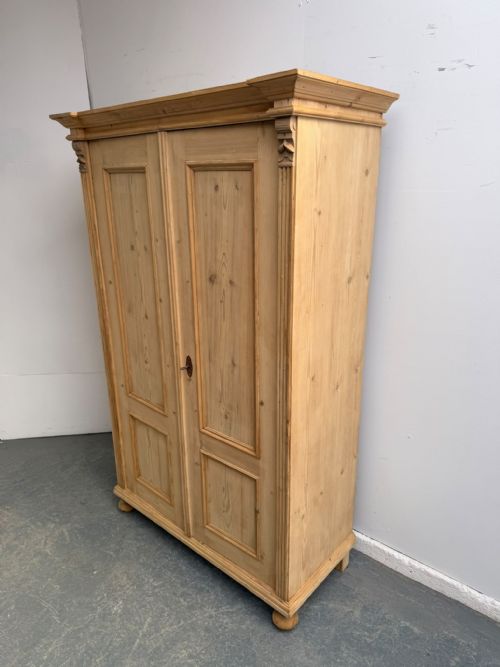
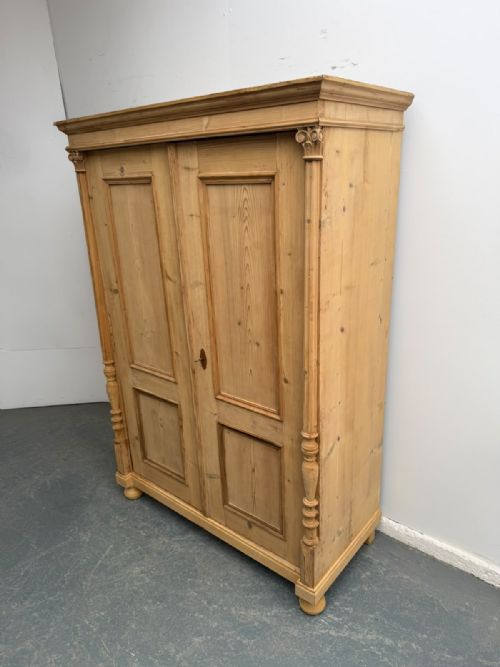
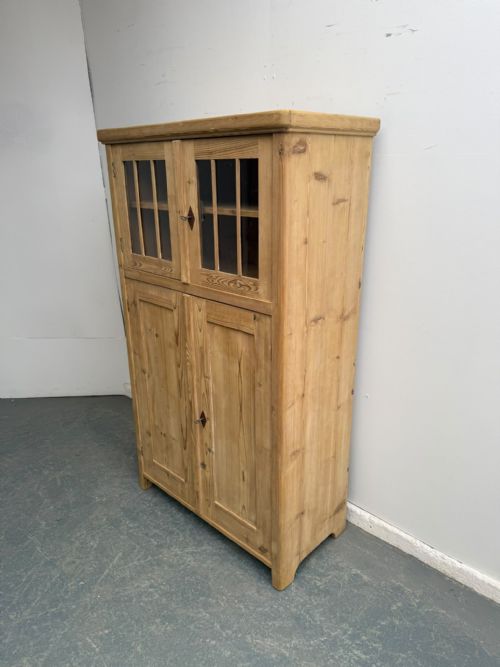
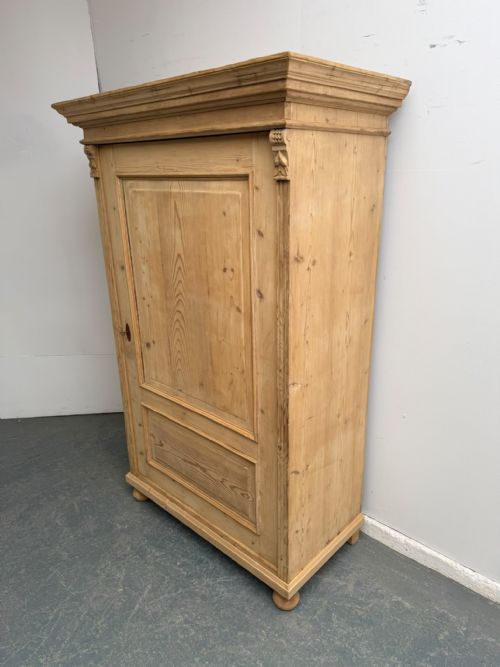
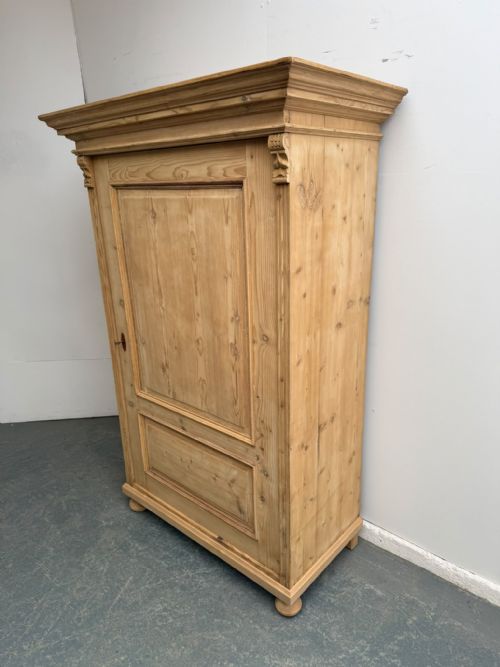
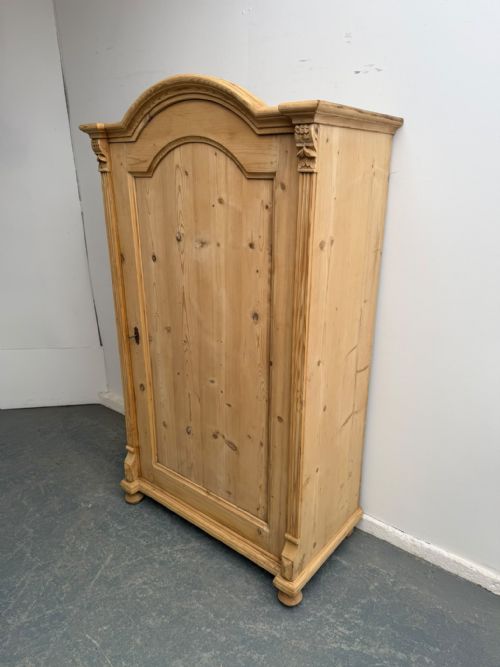
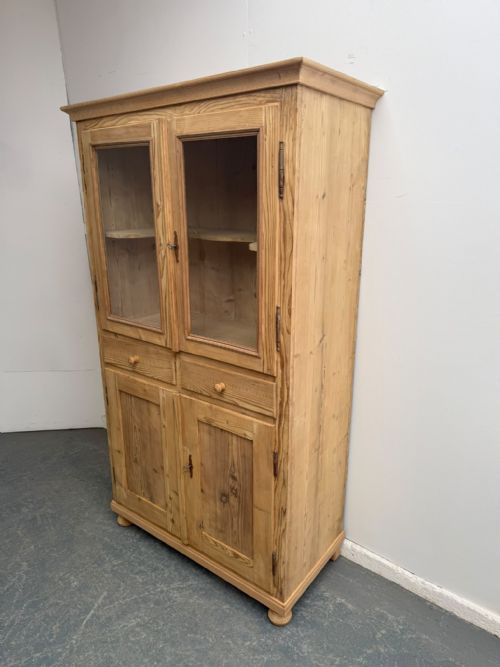
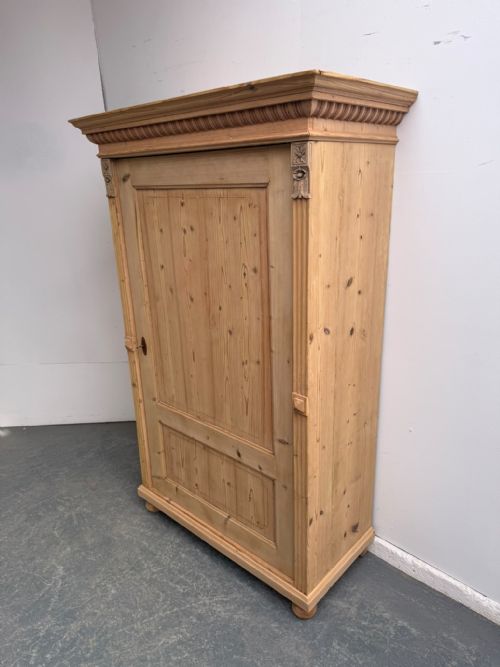
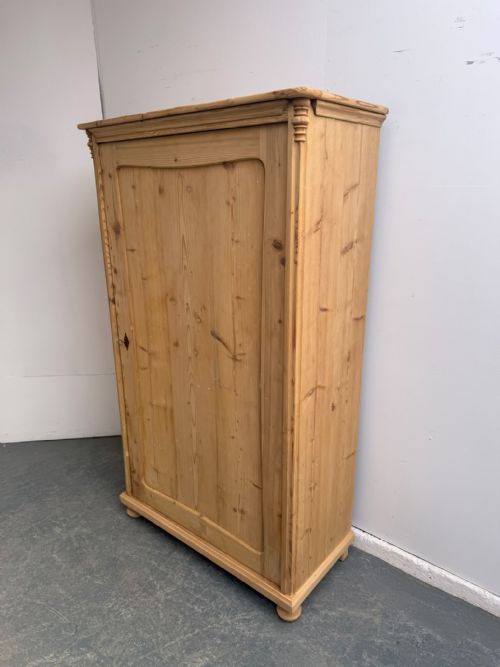
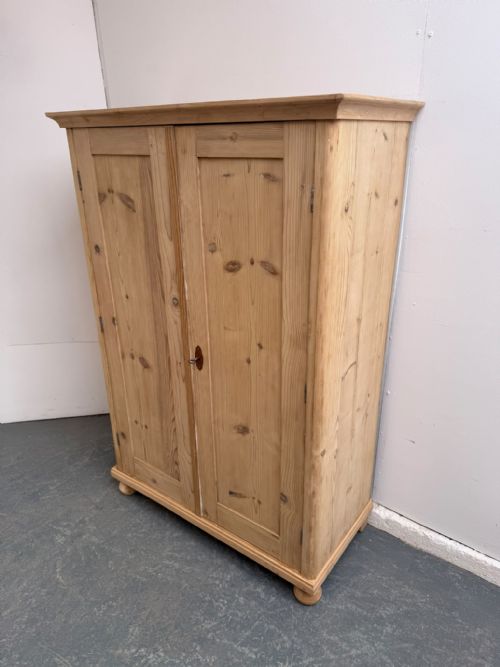
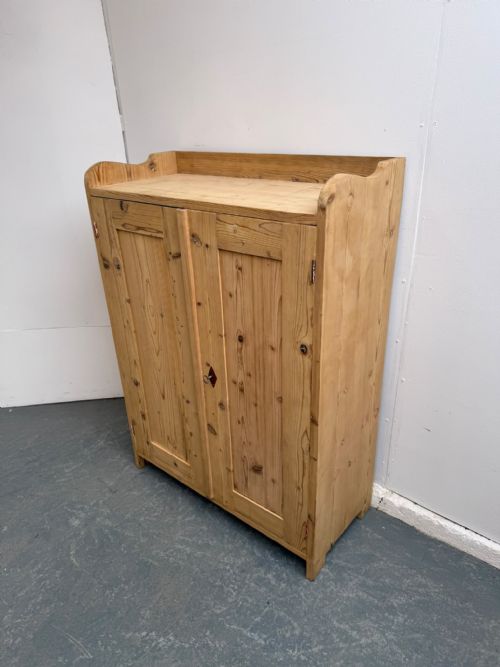
Stripped Pine Housekeeper Cabinet
These stripped pine housekeeper cabinet pieces offer sturdy utility, bringing practical kitchen and linen storage from the Victorian and Georgian eras into modern spaces.
Stripped Pine Housekeeper Cabinet
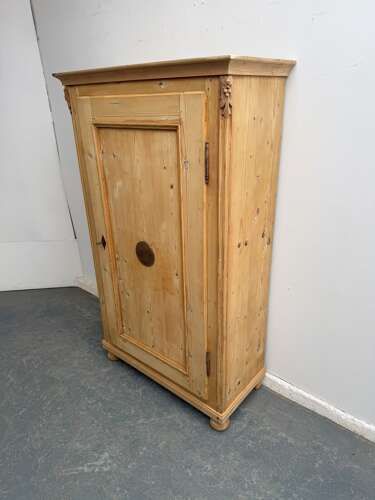
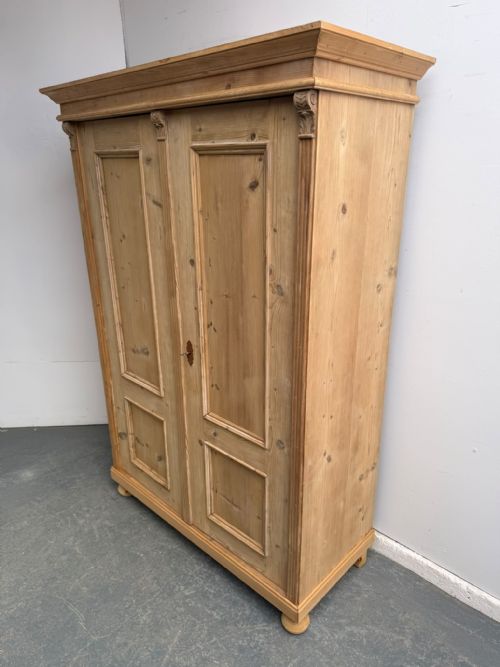
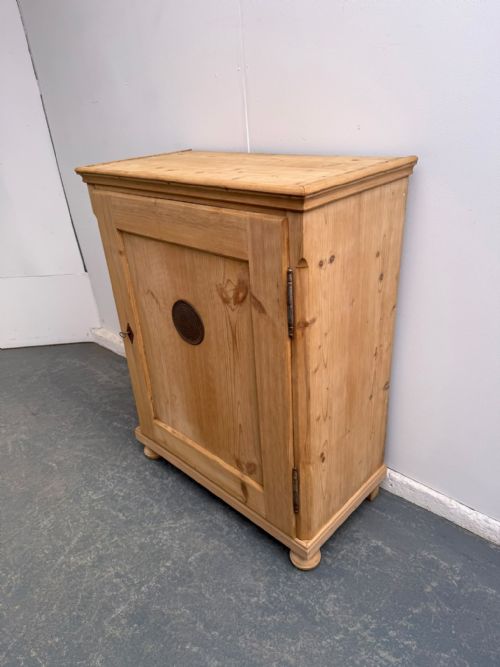
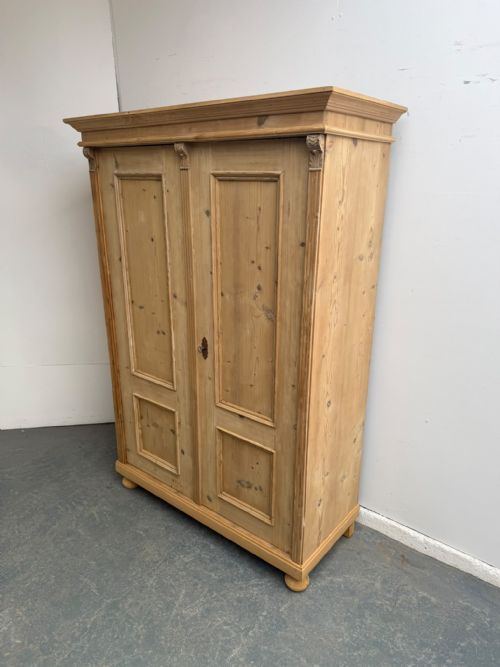
When you search for a stripped pine housekeeper cabinet, you are looking at substantial storage furniture designed for domestic service rooms and farmhouses. The pieces seen here span periods from the Georgian era through to the early twentieth century, taking the form of large cupboards, dressers, and glazed storage cabinets.
The version you are most likely to meet on this page is the Victorian two door storage cupboard, often built in one piece and sometimes fitted with drawers. These items range from single door cupboards and vented food lockers to wide four door configurations and display cabinets.
Origins stretch across regional workshops and country houses, encompassing styles such as rustic farmhouse, Victorian country, and Georgian country. They served primarily to store provisions, linen, and kitchen wares before being stripped down to their bare timber surfaces.
Materials and construction
These items are constructed primarily from solid pine timbers, selected for utility and strength rather than decorative grain. Hardware elements include iron hinges, brass fittings, and occasional metal accents, while select cabinets incorporate glass panels in their doors.
Joinery methods rely on sturdy functional carpentry suited to heavy domestic service. Many pieces feature fielded panels, beaded mouldings, adjustable internal shelving, and hand-carved details.
Surfaces are predominantly presented bare, prepared for waxing or painting by the buyer. Construction formats include both single piece tall carcases and sectional designs built for easy movement through domestic spaces.
Some Victorian cupboards retain tiny brass keyholes that have outlasted generations of housekeeper keys.
Quality differences in stripped pine cabinets
The distinction between standard utility furniture and superior examples lies in the proportion and architectural detail of the carcase. Better pieces display refined dental mouldings, arched openings, and well-balanced panel proportions rather than plain box construction.
Internal arrangement and hardware sophistication also separate the grades. Fully fitted interiors with adjustable shelving, multiple functional drawers, and intact period brass or iron hardware represent higher workshop standards.
Scale and configuration dictate desirability, with shallow profiles, wide low proportions, and glazed upper display sections requiring more accomplished joinery than basic multi-door storage boxes.
The Stripped Pine Housekeeper Cabinet Glossary
- Fielded panel
- A wooden panel with bevelled edges that fit into a grooved frame. This technique allows the timber to expand and contract with humidity changes without splitting.
- Glazed cabinet
- A storage piece featuring glass panes fitted into the doors. These were utilised for displaying china and glassware while keeping dust away.
- Dresser
- A combination of storage cupboards and shelving or drawers. They functioned as central utility furniture in domestic kitchens.
- Adjustable storage cupboard
- A cabinet equipped with movable internal shelves resting on fixed supports. This allowed staff to alter shelf heights for varying provisions and linens.
- Vented cupboard
- A storage unit incorporating pierced panels or mesh inserts for air circulation. These were crucial for keeping food cool and fresh before refrigeration.
Stripped Pine Housekeeper Cabinet: Frequently Asked Questions
What rooms suit a stripped pine housekeeper cabinet?
These large storage pieces fit naturally into kitchens, utilities, and spacious dining rooms where substantial utility furniture is practical.
Their generous proportions and timber surfaces also function well in large bedrooms and hallways for clothing and linen storage.
How do I care for stripped pine furniture?
Bare pine surfaces respond best to regular applications of traditional beeswax to nourish the timber and protect against moisture.
Keep these cabinets away from direct heat sources and dramatic humidity shifts to prevent the solid pine panels from warping.
Were these cabinets painted originally?
Many utility cupboards were finished with layers of lead paint or simple scumbles to protect the softwood during domestic service.
Later stripping reveals the bare pine underneath, leaving surfaces ready for modern wax finishes or new paint applications.
How do I distinguish Georgian pine from Victorian pine?
Georgian pieces often display tighter proportions and specific regional construction traits associated with country workshop traditions.
Victorian examples frequently run to heavier carcases, wider board dimensions, and more varied door configurations including glazed display tops.