



Striped Fabric Couch
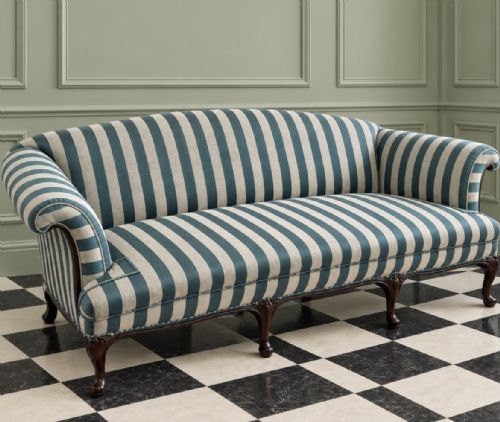
A striped fabric couch brings pattern and comfort together, offering a timeless seating option rooted in Victorian and early twentieth-century design.
Striped Fabric Couch
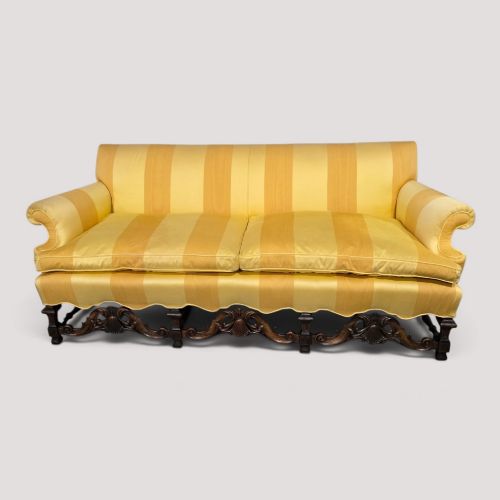
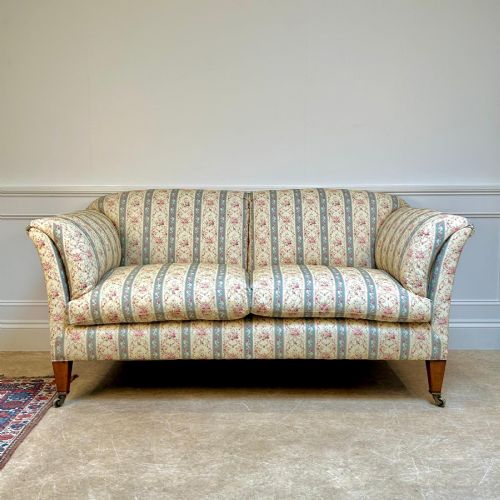
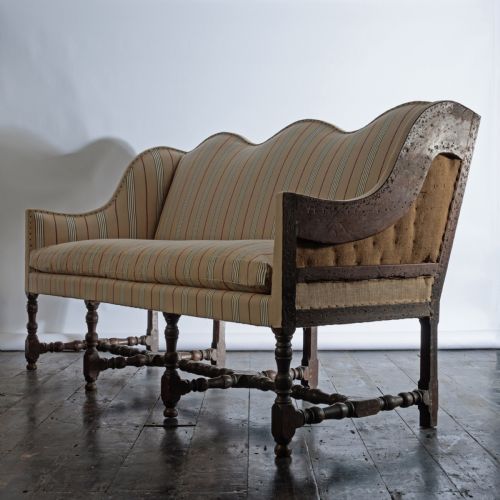
When you search for a striped fabric couch, you encounter a selection of historic seating forms including sofas, settees, chaise longues, and wingback designs. These pieces span periods from the seventeenth century through the Victorian era and into nineteen-thirty.
The versions you are most likely to meet on this page combine traditional timber frames with upholstered fabric covers. Examples range from small walnut settees to large drop-end sofas and ocean liner seating.
How they were made
Frames rely on sturdy timbers such as oak, mahogany, walnut, and general hardwood, often paired with brass detailing for castors or structural support. These materials provide the foundational strength required for heavy upholstered furniture.
Upholstery techniques utilise traditional cotton and patterned fabric coverings, including ticking fabric, fitted over padded interiors. Skilled makers shaped these materials into complex forms like double wingbacks and adjustable drop-ends.
Striped Fabric Couch Retail Price Guide 2026
Typical asking prices for striped fabric couch among the pieces listed under this phrase on Sellingantiques today, from the lower quarter to the upper quarter. They describe what is for sale here now, not the wider market.
The selection includes formal parlour seating alongside items sourced from an ocean liner ballroom.
What varies in quality
The distinction between standard examples and exceptional pieces rests in the integrity of the timber frame and the pedigree of the maker. Master workshops constructed frames using dense hardwoods that retained structural stability across centuries.
Quality also shows in the choice of original upholstery textiles and the precision of the joinery. Pieces retaining authentic ticking fabric or specialised maker markings demonstrate superior craftsmanship compared to later alterations.
Howard and Sons
The Striped Fabric Couch Glossary
- Drop-end sofa
- A couch featuring a hinged armrest that can be lowered to create a flat daybed surface. This mechanism allows the furniture to serve multiple seating and lounging functions.
- Chaise longue
- An elongated upholstered chair designed for reclining, typically featuring a single raised backrest at one end. Originating in earlier French styles, Victorian examples frequently incorporate mahogany or walnut frames.
- Wingback
- A high-backed armchair or sofa with side panels designed to shield the sitter from drafts. Historic iterations often utilise deep upholstery and exposed wooden legs.
- Ticking fabric
- A durable, tightly woven cotton textile traditionally used to contain feather and down stuffing within upholstery. Its characteristic striped pattern provides a robust outer covering for antique seating.
Striped Fabric Couch: Frequently Asked Questions
What periods do these couches come from?
The pieces span several centuries, with examples originating from the seventeenth century, the Victorian era, the Edwardian period, and nineteen-thirty. Each era brings distinct structural characteristics and aesthetic preferences.
Design choices shifted from heavy baroque influences to more refined upholstered forms by the twentieth century. Examining the timber frame helps determine the specific period of manufacture.
How do I identify a Howard and Sons sofa?
Howard and Sons pieces often feature specific maker signatures, high-quality timber frames, and traditional upholstery materials like ticking fabric. Their workshop output is well-documented by collectors.
These sofas are distinguished by their sturdy construction and specific proportions. Checking for stamped markings on the wooden legs or castors confirms the attribution.
What materials were used for the frames?
Makers utilised a variety of hardwoods including oak, walnut, and mahogany, frequently reinforced with brass components. These dense timbers ensured the heavy upholstered bodies remained stable.
The choice of timber often reflects the date of creation, with walnut and mahogany common in nineteenth-century pieces. Oak frequently appears in earlier seventeenth-century or robust twentieth-century frames.
How should I care for original ticking upholstery?
Original ticking fabric requires gentle maintenance to preserve the woven cotton fibres. Vacuuming with a soft attachment helps remove surface dust without straining the historic textile.
Avoiding direct sunlight prevents the striped colours from fading over time. Professional textile conservators should handle any deep cleaning or structural reinforcement.