



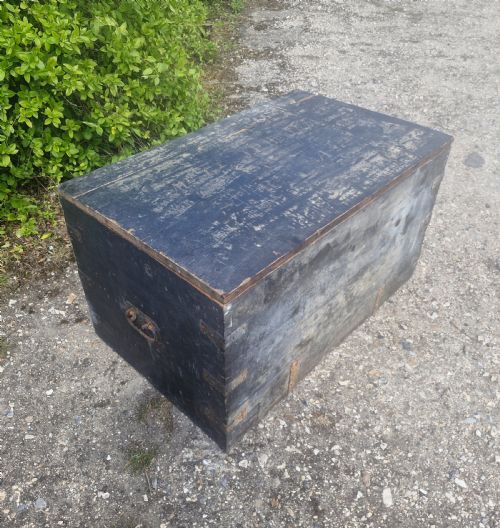

Storage Trunk with Handles
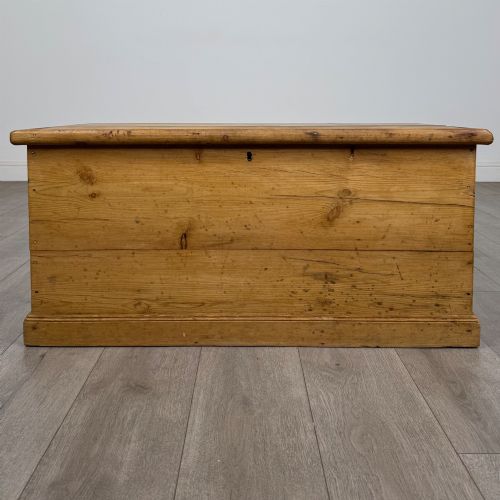
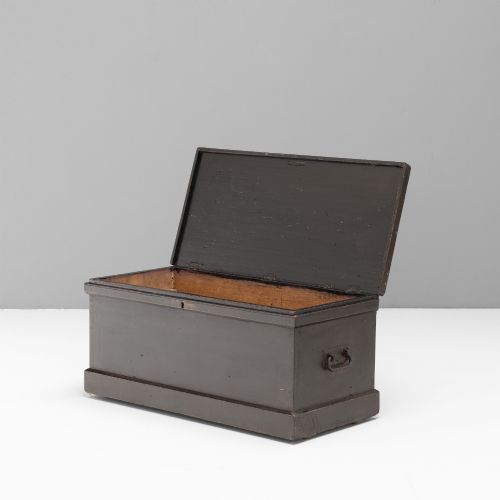
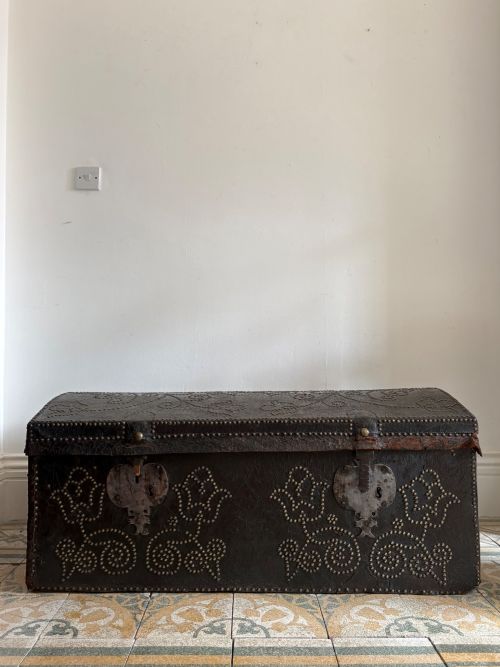
A storage trunk with handles gives you timeless utility, built from solid oak, camphorwood or pine to hold linens and travels.
Storage Trunk with Handles
When you hunt for a storage trunk with handles, you look at robust receptacles built to hold personal possessions, textiles and household goods. These pieces bridge the gap between heavy stationary furniture and transportable luggage, serving as blanket boxes, mule chests and travel chests.
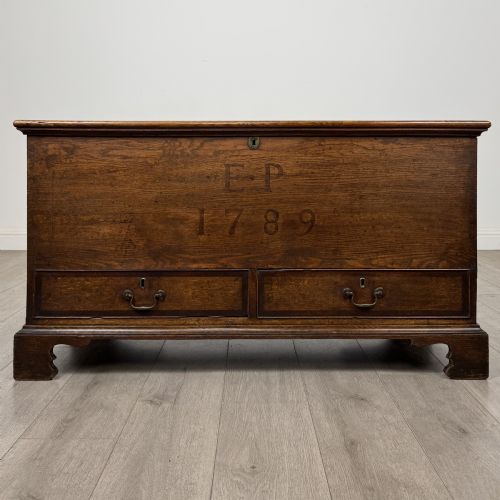
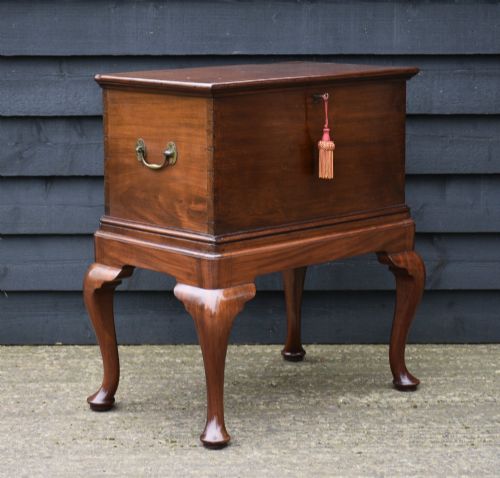
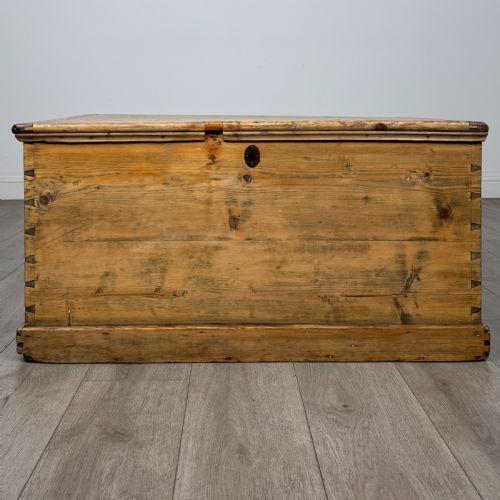
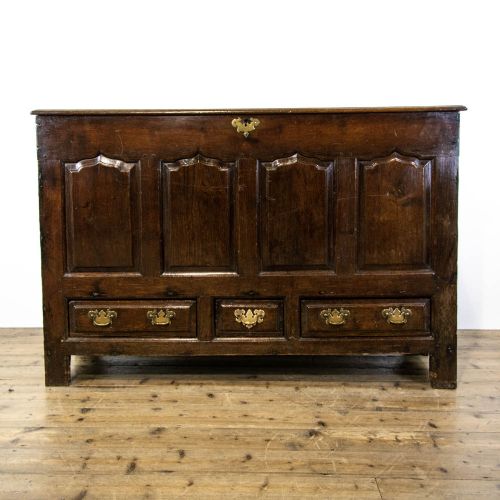
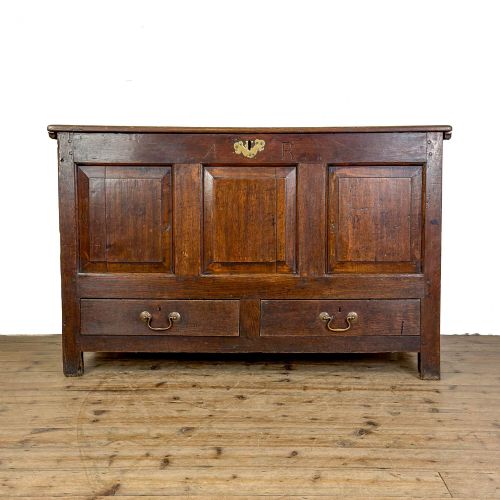
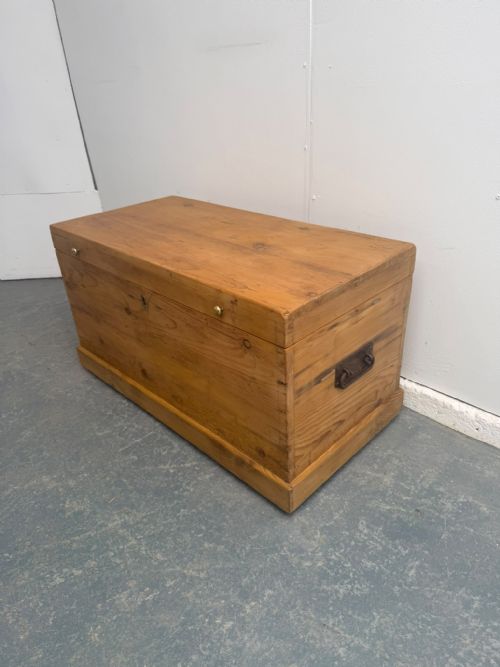
On this page, you most frequently meet examples from the Georgian and Victorian eras. The selection spans straightforward pine boxes alongside sophisticated mahogany and oak mule chests fitted with drawers and brass mounts.
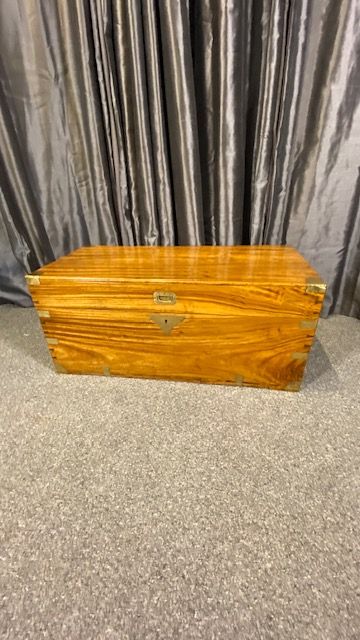
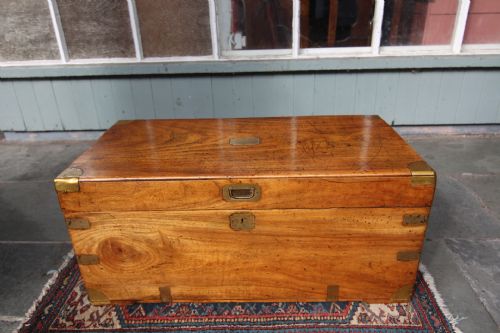
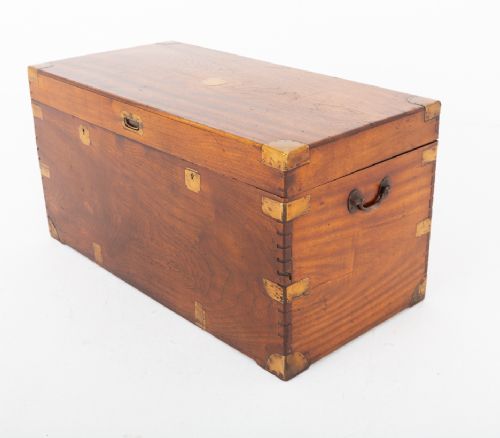
Origins stretch from rural English farmhouses to military contexts overseas, reflecting domestic storage needs and the demands of travel. The primary forms include multi-panel chests and campaign trunks designed to be lifted by side handles.
How they were made
Construction relies heavily on native timbers such as oak, mahogany and pine, alongside exotic woods like camphorwood selected for travel chests. These woods are joined using traditional methods to withstand weight and movement.
Metalwork plays a structural and protective role, with iron and brass bound edges, strapwork and carrying handles secured to the sides of the trunks. Locks, hinges and drop handles provide both utility and reinforcement.
Surface finishes range from simple waxed pine and polished mahogany to natural oil treatments on oak. Interiors sometimes incorporate fitted compartments, secret drawers or lidded tills for smaller items.
Storage Trunk with Handles Retail Price Guide 2026
Typical asking prices for storage trunk with handles among the pieces listed under this phrase on Sellingantiques today, from the lower quarter to the upper quarter. They describe what is for sale here now, not the wider market.
Secret drawers hidden inside certain Victorian pine boxes offer a tiny compartment for unexpected treasures.
What varies in quality
Quality rests in the choice of timber and the integrity of the joinery rather than surface decoration alone. Dense, well-figured oak or clean planks of camphorwood represent a higher grade of manufacture than basic utility pine.
The sophistication of the hardware defines the upper tiers of the range, seen in heavy brass bound corners, recessed campaign handles and working locks with original keys. Simpler pieces rely on plain iron fittings and nailed construction.
The Storage Trunk with Handles Glossary
- Mule chest
- A chest featuring one or more drawers beneath the main storage compartment. This form evolved during the eighteenth century to combine the storage of a traditional coffer with drawer access.
- Campaign chest
- Portable furniture made in sections with recessed brass handles and corner brackets. These pieces were built for officers on military campaigns requiring transport.
- Camphor wood
- An aromatic timber prized for travel trunks because its scent naturally repels insects. It was frequently used for chests originating from or travelling through tropical regions.
- Blanket box
- A deep rectangular chest traditionally used for storing woollens, linens and bedding. They sit low to the ground and often feature hinged lids.
- Till
- A small lidded compartment built inside the upper corner of a chest. It holds small valuables, documents or sewing equipment away from the main contents.
Storage Trunk with Handles: Frequently Asked Questions
How were mule chests used?
Mule chests served as versatile storage furniture in Georgian and Victorian households, holding blankets, clothing, or domestic supplies. The lower drawers allowed access to contents without lifting the heavy top lid.
They stood in bedrooms, hallways, or linen rooms as functional storage. Their dual nature bridged the gap between basic chests and drawer units.
Where do campaign trunks come from?
Campaign trunks originated as travel luggage for British military officers on overseas postings during the nineteenth century. Their construction utilised durable timbers like camphorwood and brass reinforcement to survive rough transport.
They feature recessed handles to prevent snagging during transit. Today, their distinct industrial aesthetic suits study and living spaces.
How do I care for antique pine boxes?
Antique pine boxes require stable indoor humidity levels to prevent timber shrinkage or warping. Periodic waxing maintains the finish and protects the wood surface from drying out.
Keep them away from direct heat sources and strong sunlight. Regular dusting with a soft cloth preserves the waxed patina.