





Storage Seat Chair
A storage seat chair combines a place to sit with a hidden compartment, offering practical furniture that keeps hallways and rooms tidy.
Storage Seat Chair
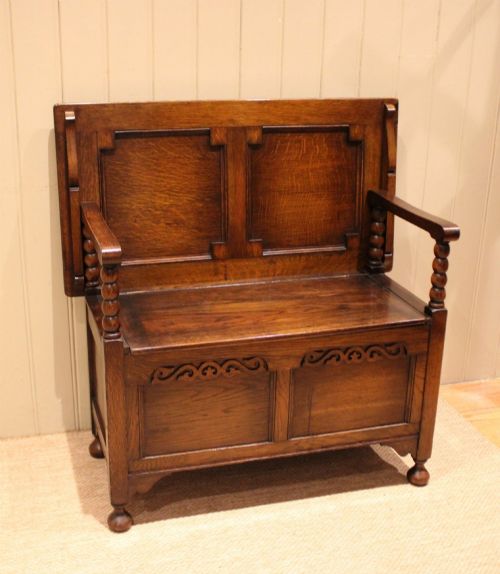
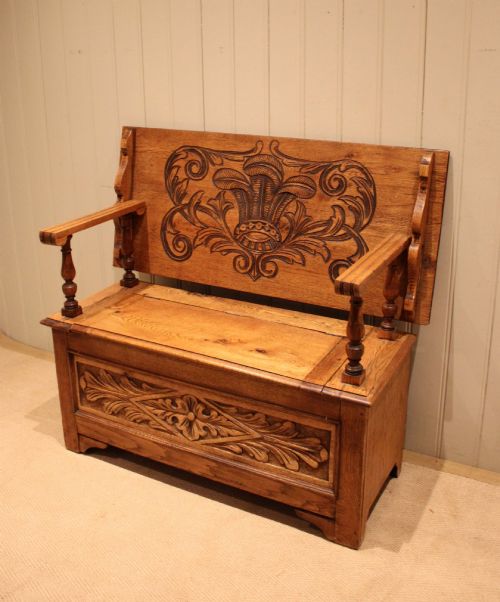
A storage seat chair covers practical forms designed for seating while concealing compartments beneath the lid or seat. Buyers searching for a storage seat chair will encounter various items including monks benches, hall seats, settles, and piano stools.
The selection ranges from sturdy oak hall benches dating to the early twentieth century to painted pine box settles and walnut dressing stools. Many examples serve multiple functions, such as monks benches featuring fold-over tops that transform the backrest into a table.
Origins and periods span from Victorian and Edwardian eras through to the early decades of the twentieth century, with occasional continental and regional pieces appearing. Solid timbers predominate, though upholstered variants and painted finishes also feature across the range.
Materials and construction methods
Construction relies heavily on timbers such as oak, mahogany, walnut, and pine, often worked into solid boards for panelled seats and storage boxes. Joinery methods include traditional panel and frame construction, dovetailing for box compartments, and carved ornamentation.
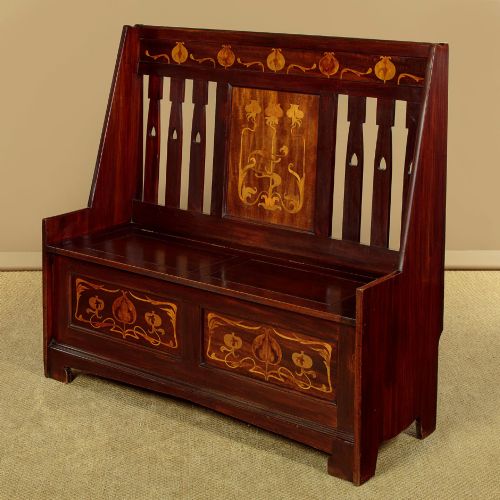
Surface treatments range from waxed and polished oak surfaces to painted finishes on pine and decorative boxwood inlay work. Upholstered versions incorporate fabric coverings over sprung or padded seats, while specific items utilise hinged lids and folding mechanisms.
Storage Seat Chair Retail Price Guide 2026
Typical asking prices for storage seat chair among the pieces listed under this phrase on Sellingantiques today, from the lower quarter to the upper quarter. They describe what is for sale here now, not the wider market.
Listings feature items primarily from the Victorian, Edwardian, and early twentieth-century periods, constructed in oak, mahogany, walnut, and pine.
Factors determining quality
Quality rests upon the selection of timber, the crispness of carved details, and the integrity of the joinery used in the frame and storage box. Superior examples display carefully matched wood grain, solid timber construction throughout, and robust hinges that support the lifting seat.
The refinement of decorative elements, such as boxwood inlay work or hand-carved panels, separates standard production furniture from more accomplished pieces. The functionality of moving parts, including fold-over table tops on monks benches, indicates the precision of the original maker.
James Shoolbred & Co
The Storage Seat Chair Glossary
- Monks bench
- A multifunctional seat with a hinged back that folds down to create a table surface, incorporating a storage compartment beneath the seat. These versatile items were popular in hallways and smaller living spaces.
- Settle
- A wooden bench featuring a high back to block draughts, solid arms, and a box seat for storage. They frequently appeared in hallways and farmhouse kitchens.
- Hall bench
- A narrow seating item designed for entranceways, often incorporating lift-up seats or umbrella storage. They provide practical utility in restricted spaces.
- Boxwood inlay
- A decorative technique where contrasting light-coloured boxwood is inserted into recesses within a darker wood surface. This method creates geometric or floral patterns on cabinets and seating.
- Piano stool
- A low seat designed for use at a keyboard, frequently featuring a lift-up lid revealing internal storage for sheet music. They occur in mahogany and walnut during the Edwardian period.
Storage Seat Chair: Frequently Asked Questions
What is a monks bench used for?
A monks bench serves as both a seating option and a small table by folding the backrest forward. The enclosed space beneath the seat provides storage for household items.
Historically placed in hallways or compact rooms, these pieces maximise utility where floor space is limited.
How do I identify an antique hall bench?
Antique hall benches typically feature solid timber construction, hand-carved details, and integrated storage compartments beneath lift-up seats. Examining the joinery and wood patination helps determine the age of the piece.
Most examples date from the Victorian and Edwardian periods, constructed in oak, mahogany, or pine.
Are storage seats suitable for daily use?
These pieces are built from durable hardwoods like oak and walnut, making them robust enough for everyday seating and storage needs. The internal compartments accommodate items like shoes, blankets, or music sheets.
Routine maintenance involves gentle cleaning and waxing to protect the timber surfaces over time.
What woods were used for storage seats?
Oak is the predominant material found in traditional hall benches and monks benches, valued for its strength and grain pattern. Other materials include mahogany, walnut, and pine, sometimes enhanced with painted finishes or inlay.
Upholstered variants also incorporate fabric covers over padded seat structures.