




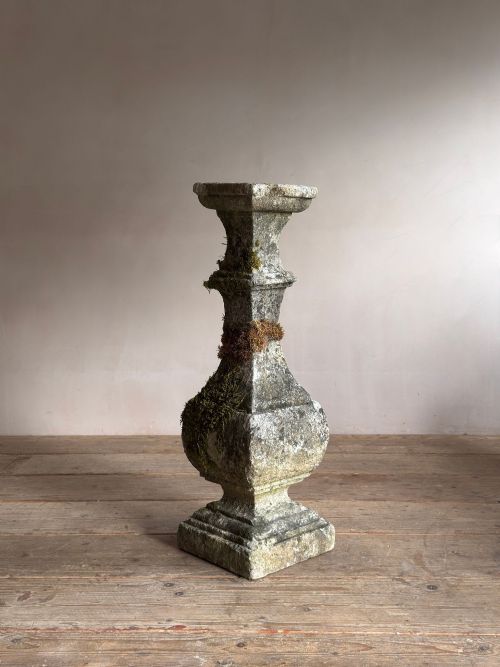


Stone Plinth Stand
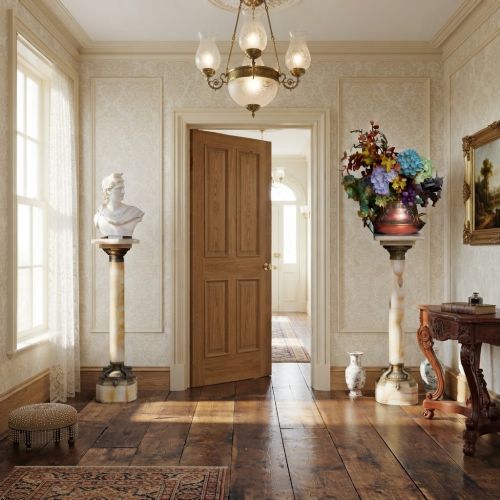
These stone plinth stand examples elevate sculpture and plants with classical authority, offering solid architectural presence for your interior or garden.
Stone Plinth Stand
A stone plinth stand provides a sturdy elevated platform for displaying urns, figures, and architectural elements. These supports emerge primarily from the nineteenth century alongside Georgian and Edwardian periods.
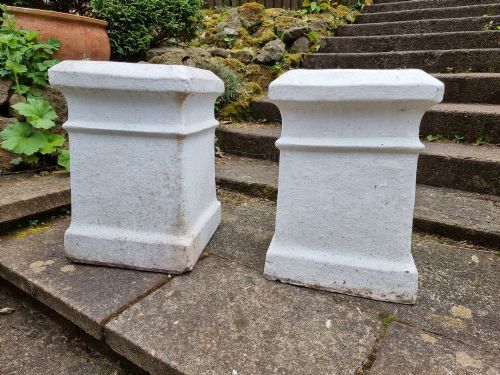
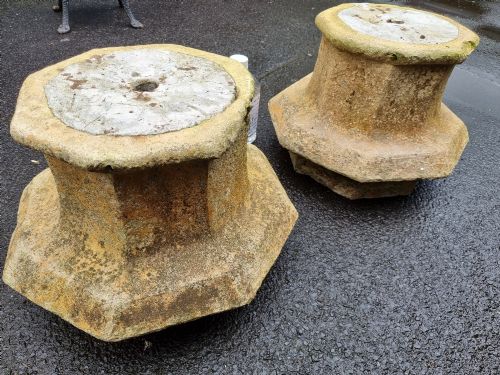
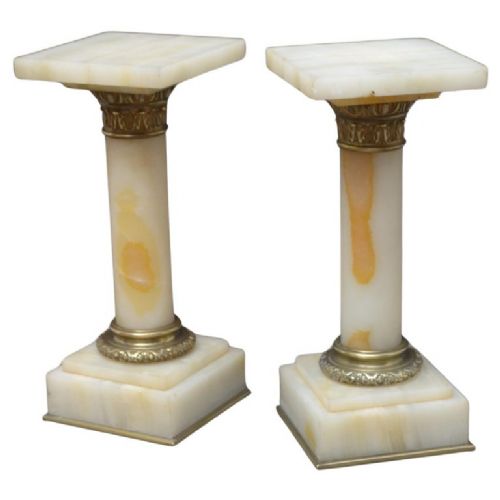
The inventory on this page consists of pedestals, columns, and plinths designed for both interior display and garden placement. Forms range from neoclassical marble columns to cast stone garden plinths and carved alabaster plant stands.
How they were made
Masons shaped these works from natural materials including marble, onyx, limestone, alabaster, and serpentine. Artisans utilised techniques of hand carving to produce detailed acanthus leaves, classical capitals, and smooth cylindrical shafts.
Alternative examples employ cast stone, reconstituted stone, and scagliola to replicate the appearance of solid quarried rock. Ormolu collars and mounts occasionally add metallic contrast to the stone and marble structures.
Stone Plinth Stand Retail Price Guide 2026
Typical asking prices for stone plinth stand among the pieces listed under this phrase on Sellingantiques today, from the lower quarter to the upper quarter. They describe what is for sale here now, not the wider market.
Listings feature materials spanning marble, onyx, limestone, alabaster, and cast stone across nineteenth century and early twentieth century periods.
What varies in quality
Quality rests upon the selection of the mineral and the depth of the carving. Finely figured green marble and translucent alabaster represent higher tiers of material choice compared to standard cast compositions.
Proportion and architectural correctness distinguish superior examples. Pieces demonstrating precise neoclassical detailing and harmonious column proportions achieve greater visual weight than simpler utility stands.
Fritz Kochendorfer
The Stone Plinth Stand Glossary
- Plinth
- A heavy base supporting a statue, column, or urn. It provides stability and visual weight to the elevated object.
- Pedestal
- An upright architectural support used to raise a sculpture or plant stand off the ground. These structures typically feature a base, shaft, and capital.
- Scagliola
- A composite material made from selenite, glue, and pigments,imiterating marble and other fine stones. Craftsmen apply and polish this mixture to achieve a convincing decorative finish.
- Verde Antico
- A dark green serpentine marble historically quarried in Italy. This material displays distinct white veining throughout the polished surface.
- Torchere
- A tall stand designed to hold a light source or plant. In these listings, the form translates into slender marble columns.
Stone Plinth Stand: Frequently Asked Questions
Where should I place a stone plinth stand?
These supports suit hallways, reception rooms, and garden settings depending on their material composition. Indoor marble and alabaster columns hold statues or plants, while cast stone and limestone versions withstand outdoor weathering.
Ensure the floor surface is level to support the weight of heavy stone shafts and the items placed upon them. Garden placements require stable ground to prevent shifting over time.
How do I clean marble pedestals?
Dust the column regularly with a soft, dry cloth to prevent dirt accumulation within carved recesses. Avoid acidic cleaners and abrasive scouring powders that etch polished stone surfaces.
Use mild soap with warm water for occasional cleaning, drying the marble thoroughly afterwards. Polished onyx and serpentine require similar gentle maintenance to preserve their sheen.
Are these stands suitable for heavy planters?
Solid stone, marble, and cast stone plinths possess the structural mass necessary for heavy garden urns and large sculptures. Lighter alabaster plant stands suit interior flora rather than massive exterior planters.
Check the top surface area of the plinth to ensure the base of your object sits entirely within the perimeter. Balanced weight distribution keeps the tall column stable.
How do I identify a nineteenth century column?
Nineteenth century examples often display characteristic neoclassical styling, hand-carved acanthus leaves, and specific regional marbles like Italian Carrara or Verde Antico. Tool marks and natural ageing within the stone give clues to the manufacturing era.
Consult the material and stylistic details listed for each individual piece to understand its period context. Variations in turning and joinery reflect nineteenth century workshop practices.