



Stone Lion Ornaments
These stone lion ornaments range from grand garden statuary to small carved desk seals, bringing traditional presence to interior spaces and grounds alike.
Stone Lion Ornaments
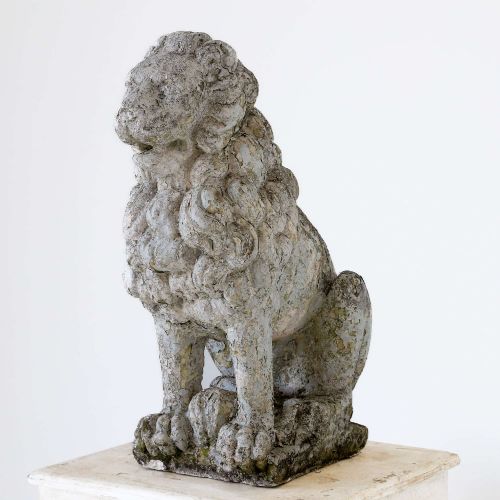
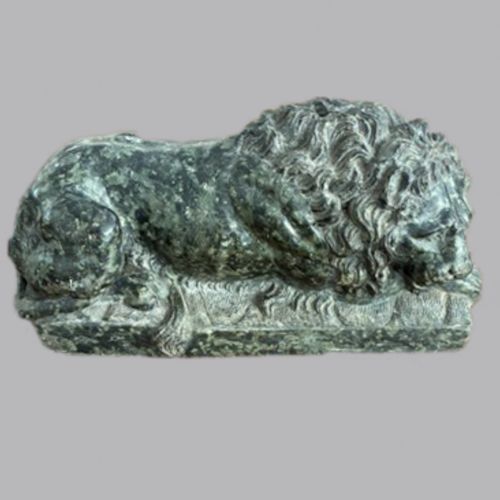
When you search for stone lion ornaments, you encounter a diverse gathering of sculptural forms ranging from substantial garden statuary to small scholar objects. The selection spans robust nineteenth-century figures designed for gates and terraces alongside carved jade and soapstone desk seals.
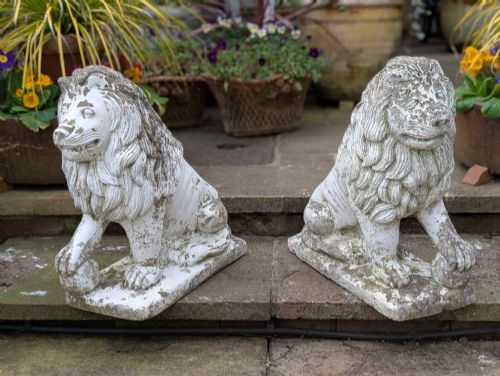
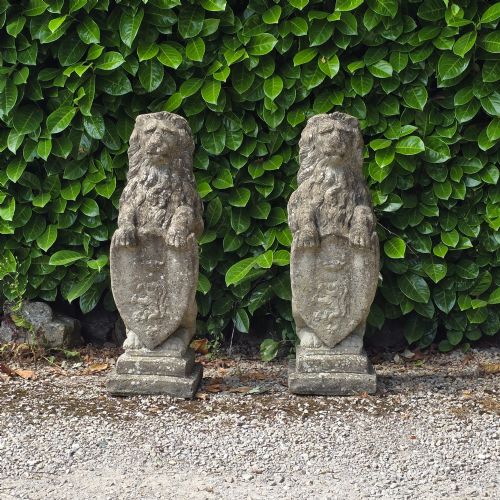
You are most likely to meet pairs of seated or standing guardians originating from English country house traditions or traditional Chinese workshops. These figures draw upon neoclassical styles, classical revival motifs, and nineteenth-century classical designs.
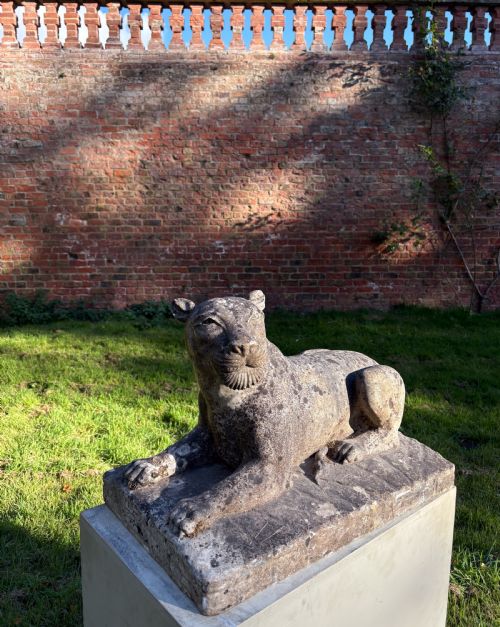
The larger outdoor pieces typically serve as gate finials or terrace sentinels, while the smaller carvings function as desk seals and cabinet sculptures. The variety encompasses recumbent lionesses, Foo dogs, and temple guard dogs executed in stone, marble, and terracotta.
Materials and methods
Makers utilised a range of hard and soft media, carving solid marble, alabaster, jade, hardstone, and soapstone for interior pieces. Larger architectural examples rely on cast stone, reconstituted stone, and salt-glazed pottery.
Terracotta and composite stone provide the substance for grand nineteenth-century garden figures, occasionally finished with original old paint. Hand carving defines the detailed work found on Chinese Republic period desk seals and nineteenth-century marble sculptures.
Stone Lion Ornaments Retail Price Guide 2026
Typical asking prices for stone lion ornaments among the pieces listed under this phrase on Sellingantiques today, from the lower quarter to the upper quarter. They describe what is for sale here now, not the wider market.
Some nineteenth-century lions spent their lives guarding modest garden gates while others kept watch over grand country house terraces.
Assessing quality
Proportion and anatomical definition separate superior sculptural work from standard commercial casting. The handling of the mane, paws, and facial expression reveals the hand of a skilled carver or modeller.
The choice of material heavily influences the character of the piece, from finely figured green Hualien marble to translucent pale green jade. Weathering on outdoor stone and terracotta adds a desirable surface patina that mass-produced substitutes lack.
The Stone Lion Ornaments Glossary
- Foo Dog
- A traditional Chinese guardian lion or temple guard dog, typically depicted seated and guarding a sacred space or threshold.
- Gate Finial
- An architectural ornament placed atop a gate pier, wall, or plinth to mark an entrance boundary.
- Recumbent
- Lying down or resting with the head raised, a common posture for large marble and stone lion sculptures.
- Shi Shi
- Chinese term for stone lion guardian figures placed outside imperial palaces, tombs, and homes.
- Desk Seal
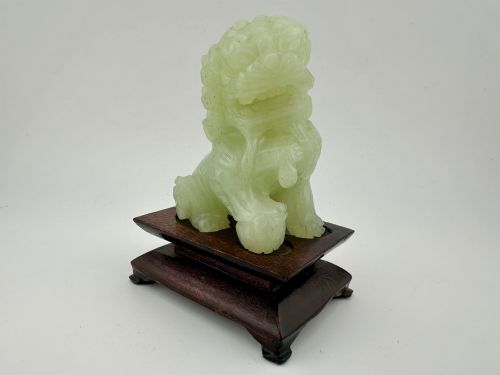
- A small carved stone or jade object featuring a figurative handle above a flat base used for stamping impressions.
Stone Lion Ornaments: Frequently Asked Questions
Where should I place outdoor stone lions?
Large pairs of stone or terracotta lions suit prominent positions flanking garden entrances, gate piers, or terrace steps. They function traditionally as architectural guardians for the grounds.
Ensure the mounting surface is level and capable of supporting substantial weight, particularly with nineteenth-century marble or cast stone examples.
How do I care for weathered garden statuary?
Weathered reconstituted stone and terracotta require minimal intervention beyond gentle brushing to remove organic debris. Preserving the accumulated surface patina maintains the historical character of the piece.
Protect vulnerable salt-glazed pottery and softer stones from severe freezing conditions during winter months to prevent cracking.
How are smaller jade and soapstone carvings used?
Small jade, hardstone, and soapstone carvings function primarily as desk seals or cabinet ornaments. Their detailed execution makes them suitable for close inspection on desks and display shelves.
These pieces reflect the traditions of Chinese scholarly desk accessories rather than architectural garden placement.