
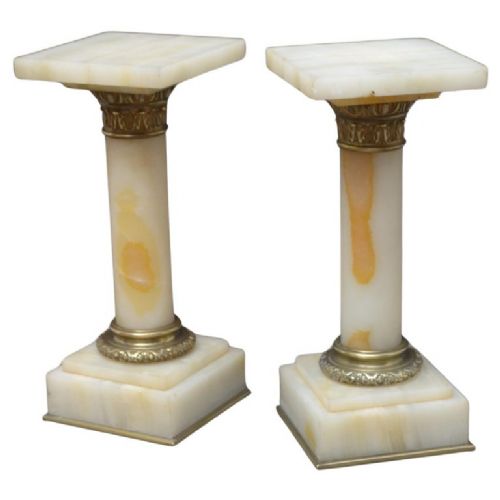


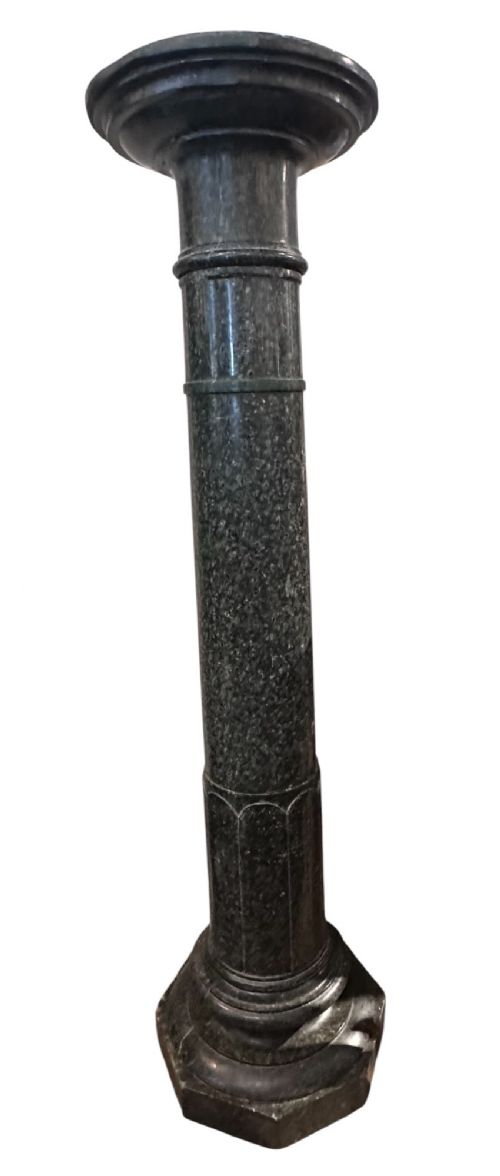


Stone Display Pedestal
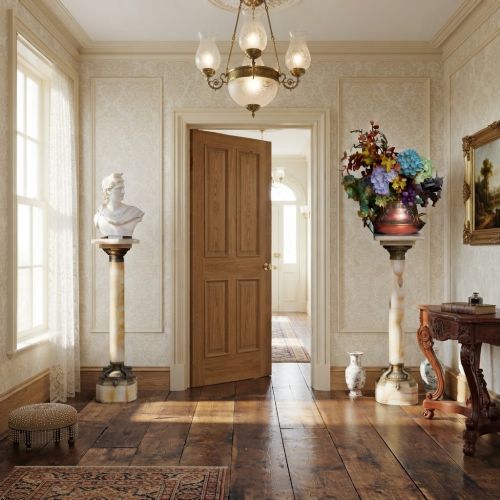
These stone display pedestal examples elevate sculpture, urns and plants with classical authority.
Stone Display Pedestal
A stone display pedestal elevates objects with architectural presence, taking the form of columns, plinths, torcheres and plant stands. When searching for a stone display pedestal, buyers encounter single items and matched pairs dating from the nineteenth century through the early twentieth century.
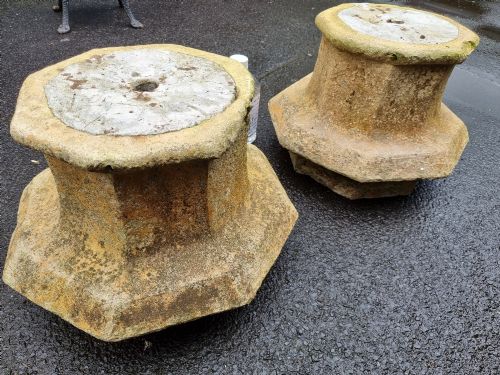
The selection ranges from tall marble columns designed for statues to lower composite stone garden plinths and carved alabaster stands. Neoclassical, Victorian and Grand Tour styles dominate, reflecting classical architectural forms adapted for interior display and garden use.
Materials and construction
Makers utilised natural stones including variegated marble, onyx, alabaster, serpentine and green marble, often shaping them into solid columns and pedestals. Metal elements such as brass, gilt bronze and ormolu collars occasionally provide structural support and decorative contrast.
Carving and turning shaped the heavy stone components, while composite stone and scagliola offered alternative methods for achieving classical architectural textures. Surface finishes vary from highly polished marble blocks to weathered stone garden plinths.
Current listings feature nineteenth-century Italian Grand Tour souvenirs alongside Victorian marble columns and early twentieth-century plant stands.
What separates the finest examples
Quality rests upon the choice of geological material and the precision of the stone carving. Highly figured marbles, rich alabaster and crisp classical proportions distinguish superior examples from standard utility pieces.
The integrity of the column shaft and the quality of any integrated metal mounts, such as ormolu or brass collars, indicate the original maker's investment in time and materials.
The Stone Display Pedestal Glossary
- Column
- A vertical architectural element with a shaft, capital and base, frequently adapted as a pedestal for displaying sculpture. Columns provide the structural backbone for many classical display pieces.
- Tazza
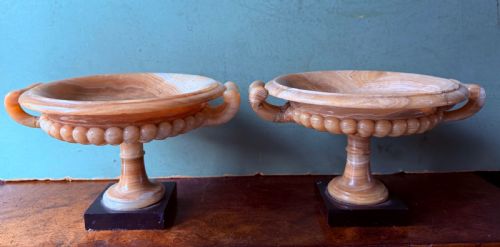
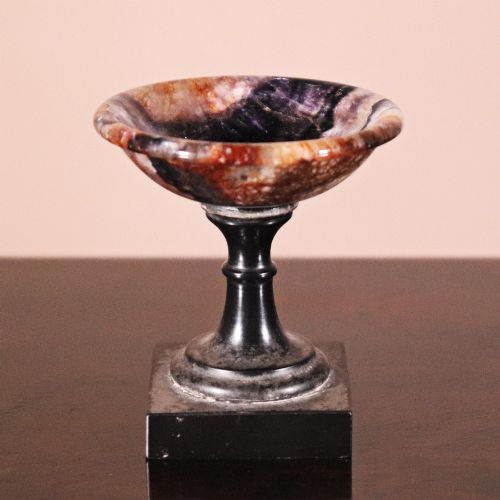
- A shallow saucer-shaped vessel on a stem and foot, often carved from marble or alabaster and displayed upon a pedestal. These items echo ancient Roman drinking vessels recreated for the Grand Tour market.
- Scagliola
- A composite material made from selenite, glue and pigments, plastered onto a core to imitate genuine marble and other fine stones. This technique allowed makers to create smooth decorative surfaces with complex veining.
- Torchere
- A tall stand originally designed to hold a light source, now commonly utilised as a pedestal for plants or decorative objects. They often feature slender shafts carved from stone or wood.
- Plinth
- A heavy rectangular or square block forming the base of a column or standing alone to support statuary. Plinths ground vertical display pieces and provide stable foundations.
Stone Display Pedestal: Frequently Asked Questions
How do I choose the right height?
Consider the object you intend to place on top and the scale of the room. Taller columns suit larger sculptures, whereas lower pedestals work well for heavy urns and plants.
Ensure the top surface area accommodates your piece safely without overhang.
Can these pedestals be used outdoors?
Weather resistance depends entirely on the material. Composite stone and stoneware are designed for garden use.
Interior pieces carved from softer stones like alabaster or polished marble should remain indoors to prevent moisture damage.
How do I clean marble and alabaster?
Dust gently with a soft cloth and avoid abrasive cleaners or acidic substances that etch polished stone surfaces. Mild soap and water used sparingly on a damp cloth suffice for routine care.
Dry the stone thoroughly immediately afterwards.
Are pairs common in these listings?
Matched pairs appear frequently among nineteenth-century columns and Grand Tour souvenirs. They were originally manufactured to flank doorways, fireplaces or architectural focal points.
Single columns also appear regularly for freestanding display.