



Stone Cherub Sculpture
These stone cherub sculpture pieces bring classical form and garden presence to your space through carved marble, limestone, and cast stone.
Stone Cherub Sculpture
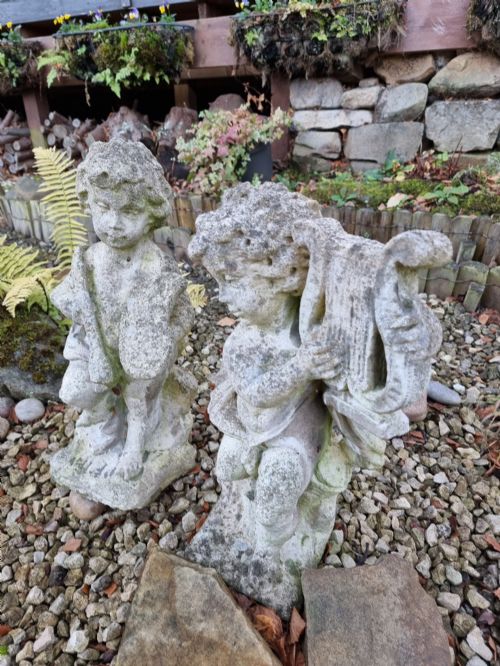
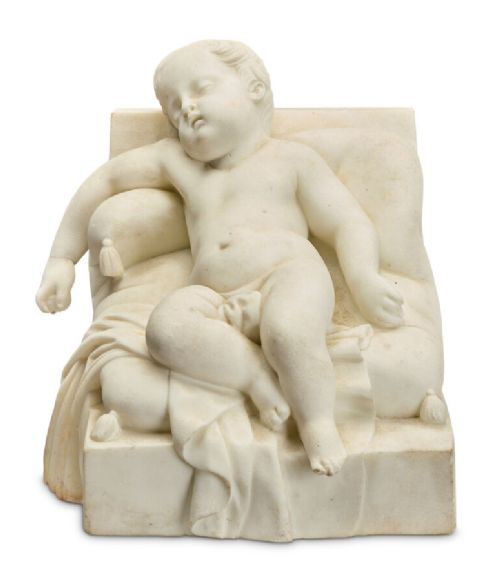
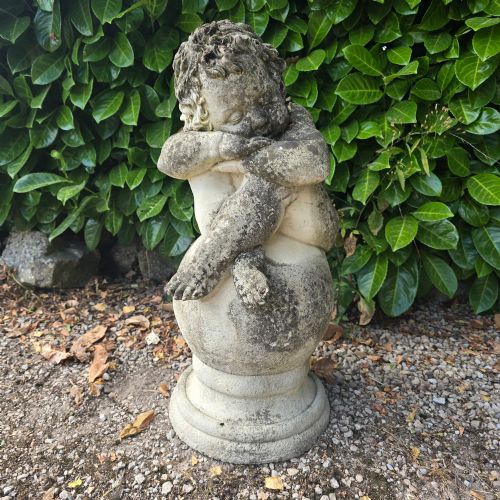
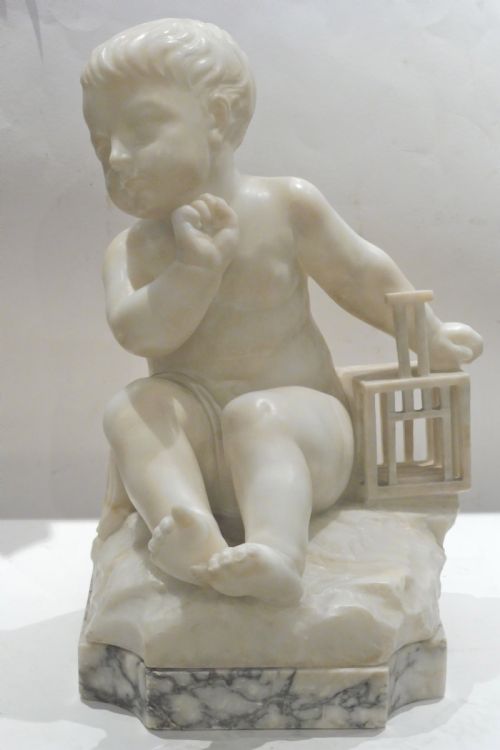
When you search for a stone cherub sculpture, you encounter carved figures ranging from garden statues to architectural fragments and indoor works. These pieces appear in forms such as standing figures, wall brackets, and sleeping putti.
The selections span the nineteenth century, the Edwardian era, and mid-twentieth century dates including nineteen fifty. Origins stretch across classical revival, neoclassical, and gothic revival styles.
You are most likely to meet garden statues and sculptures rendered in reconstituted stone, cast stone, or white marble. These physical manifestations dominate the available range across various dealer offerings.
Materials and construction methods
Carvers shaped traditional pieces from blocks of white marble, Carrara marble, limestone, sandstone, and Italian alabaster. Sculptors utilised hand chisels to define the contours of the figures.
Later and more robust examples utilise cast stone, reconstituted stone, and composition stone poured into moulds. Plaster also appears for interior architectural elements and sculptural studies.
Stone Cherub Sculpture Retail Price Guide 2026
Typical asking prices for stone cherub sculpture among the pieces listed under this phrase on Sellingantiques today, from the lower quarter to the upper quarter. They describe what is for sale here now, not the wider market.
One sleeping cherub manages to look profoundly exhausted despite being made entirely of solid stone.
Assessing sculptural quality
The distinction in quality rests upon the hand of the carver and the precision of the anatomical modeling. Finer pieces demonstrate depth in the rendering of wings, hair, and facial expressions.
Material choice separates standard mass-produced garden items from fine art marbles and signed studio works. Weathering and natural patination also contribute to the visual character of outdoor stone.
Antonio Canova·Denise Delavigne·Pugi
The Stone Cherub Sculpture Glossary
- Putto
- A figure of a small chubby male child, often winged, common in classical art. These representations form the core of cherub sculptures.
- Carrara marble
- A type of white or blue-grey marble mined in the city of Carrara in Tuscany, Italy. Sculptors favour this material for fine figurative works.
- Corbel
- A structural piece of stone projecting from a wall to support a weight. Some cherub sculptures take this architectural bracket form.
- Neoclassical
- A style reviving the principles of ancient Greek and Roman art. Many nineteenth-century pieces adhere to this aesthetic tradition.
Stone Cherub Sculpture: Frequently Asked Questions
Where should I place a garden cherub statue?
These statues suit outdoor placement among garden planting, on stone terraces, or upon dedicated plinths. Positioning them where natural weathering can interact with the stone enhances their visual appeal.
For indoor pieces like alabaster or marble sculptures, choose stable shelf or table locations away from direct moisture.
How do I distinguish marble from cast stone?
Marble displays natural crystalline structures and subtle veining unique to the quarried block. It feels cold to the touch and shows individual chisel or polishing marks upon close inspection.
Cast stone often reveals a uniform granular texture from the moulded aggregate and lacks the deep crystalline translucency of genuine marble.
What is the difference between a putto and a cherub?
Art historical terminology often distinguishes pagan putti from religious cherubim, though the terms overlap in common antiques descriptions. Putti represent secular mythological figures akin to Cupid.
Sculptures from the nineteenth century frequently employ these winged child motifs interchangeably within neoclassical and classical revival contexts.
How do I care for antique garden stone?
Outdoor stone statues require minimal maintenance beyond gentle washing with water to remove organic debris. Avoid harsh chemical cleaners that can strip the weathered patina accumulated over decades.
Protect vulnerable stone pieces from severe freezing water expansion during winter months where possible.