

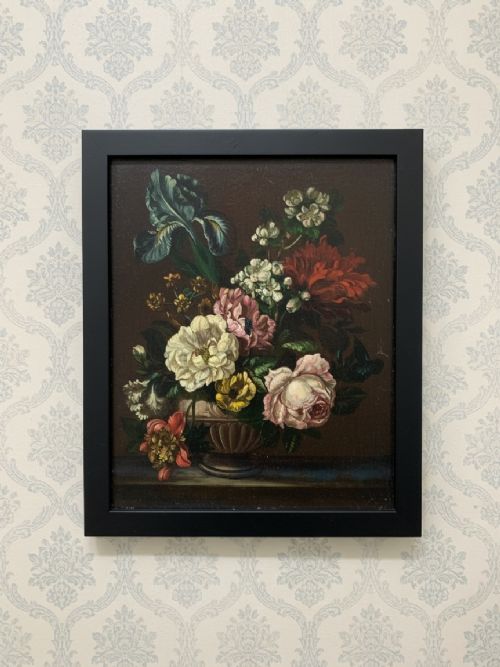
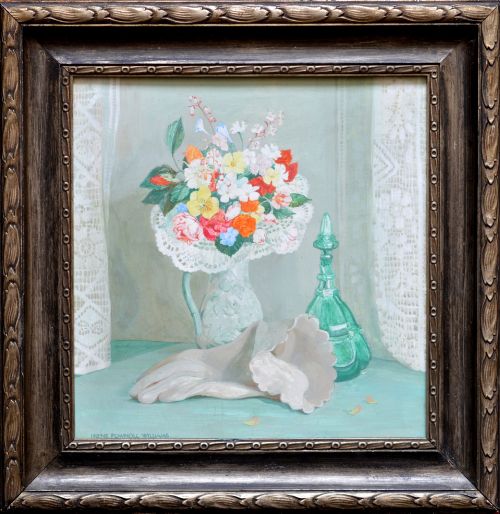
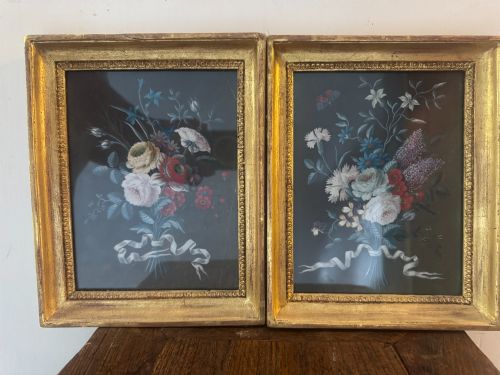
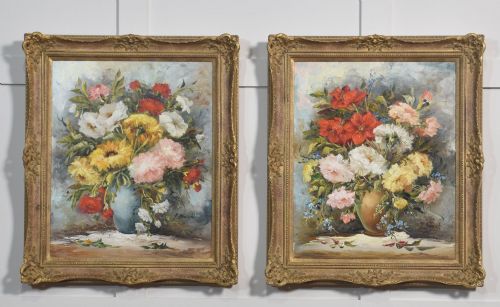




Still Life Flower Study
A still life flower study captures botanical specimens in domestic settings, offering enduring colour and composition for interior walls.
Still Life Flower Study
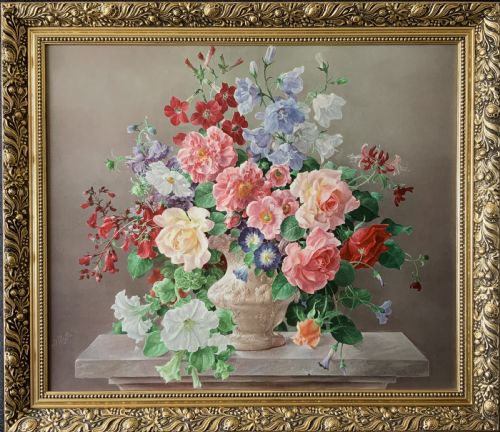
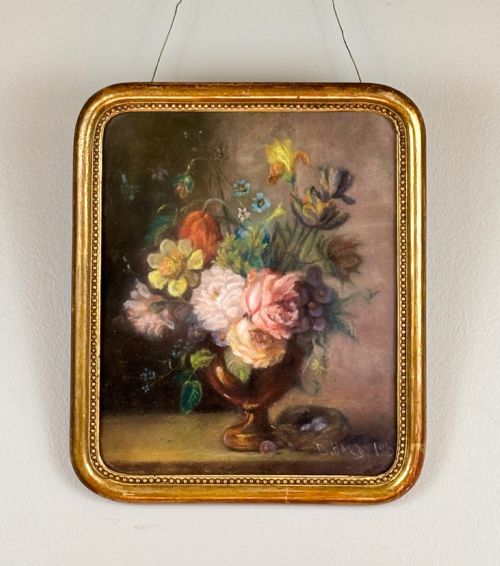
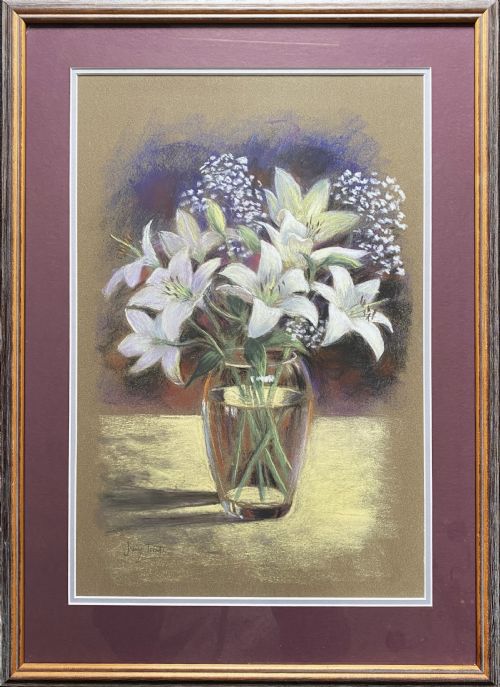
A still life flower study portrays assembled blooms in vessels like jugs, bowls and vases, spanning centuries of artistic tradition. These works range from formal 19th-century oil paintings to mid-20th-century watercolours and gouache on paper.
The selection includes British and continental examples, capturing specific botanical varieties such as roses, chrysanthemums, anemones and delphiniums. Pieces appear in various formats, from miniature framed panels to larger canvases.
How They Were Made
Artists painted on stretched canvas, wooden panels, heavy paper and card, using oil paint, watercolour, gouache, tempera and pastel. Works often incorporate supporting elements like gesso grounds and gold leaf detailing within period frames.
Techniques range from smooth, traditional brushwork to textured impasto applications, reflecting the distinct stylistic approaches of periods from the 1800s through the mid-20th century.
Still Life Flower Study Retail Price Guide 2026
Typical asking prices for still life flower study among the pieces listed under this phrase on Sellingantiques today, from the lower quarter to the upper quarter. They describe what is for sale here now, not the wider market.
The archive includes botanical studies created across the Victorian era, the Dutch Golden Age style, and British Impressionism.
What Varies in Quality
The degree of observation in botanical rendering and tonal balance separates standard decorative pieces from accomplished works. Handling of light across petals and the integration of the vase within the spatial ground indicate artistic proficiency.
Preservation of the original pigments, stability of the paper or canvas support, and the presence of period frames contribute to the overall integrity of the artwork.
Irene Christobelle Pownoll Williams·Harold Clayton·D Hardy·Manuela Bonati·Sir Matthew Smith·Edith Barrow·Grace Hastie·Phyllis I Hibbert·Marian Chase·L. Wilford·Jennifer Toombs·Alice Macallan Swan·Marion Broom·Annie Mary Youngman·Margaret Evangeline Wilson·Owen Bowen·Kershaw Schofield·M Clay·Jessie Wolfe·Monnoyer·William Greaves·Olive Higginbottom·Evelyn Chester·H C Mellor·John Burns Robertson
The Still Life Flower Study Glossary
- Gouache
- An opaque water-based medium that produces flat, saturated areas of colour. It is frequently applied on paper or card for botanical studies.
- Impasto
- Paint laid thickly on the surface, standing out from the canvas or board. This technique creates a tangible texture that catches the light.
- Tempera
- A permanent, fast-drying painting medium consisting of coloured pigment mixed with a water-binder. It offers a matte finish on panel supports.
- Oleograph
- A colour lithograph reproduction textured to imitate an oil painting. These prints replicate the appearance of canvas brushwork.
- Gesso
- A paint mixture consisting of a neutral binder mixed with chalk, gypsum, or pigment. It prepares rigid supports like wood panels for painting.
Still Life Flower Study: Frequently Asked Questions
What periods do these paintings cover?
The selection spans from the early 19th century through the mid-20th century, including Victorian and mid-century modern examples.
Works reflect changing artistic movements, moving from traditional academic realism towards looser British Impressionism and post-war expression.
How should I frame these artworks?
Many pieces retain their original period frames, such as carved wood or decorative gilt mouldings, which complement the era of the painting.
When framing works on paper or unmounted canvas, choose traditional mouldings that protect the edges without obscuring the composition.
What flowers appear most frequently?
Common botanical subjects include roses, chrysanthemums, anemones, delphiniums, and carnations arranged in domestic vessels.
Artists also depicted seasonal blooms like wallflowers, pansies, and dahlias, often sourced from English country gardens.
Are these works signed by the artists?
Numerous pieces feature artist signatures, monograms, or attribution notes written directly on the canvas, board, or paper.
Unsigned works are attributed based on stylistic execution, period materials, and regional school characteristics.