






Sterling Silver Trinket Jar
A sterling silver trinket jar holds your smallest valuables on a dressing table, combining functional storage with decorative metalwork.
Sterling Silver Trinket Jar
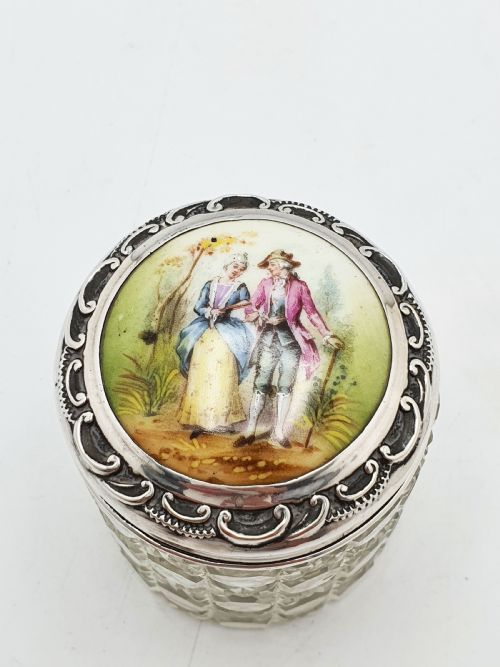
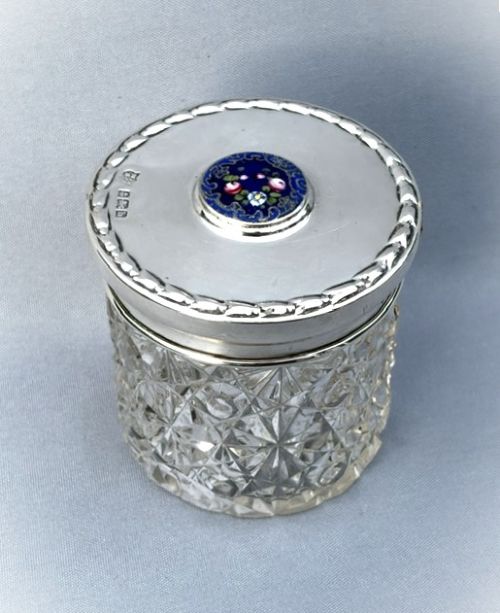
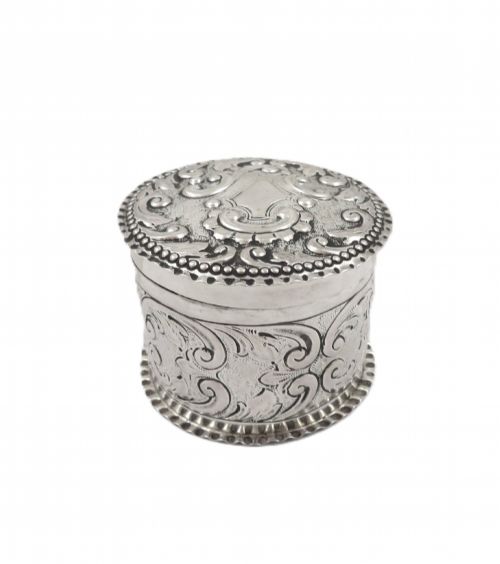
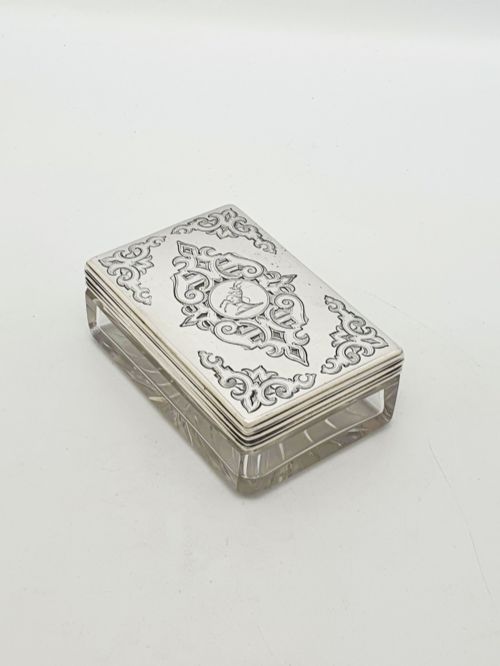
A sterling silver trinket jar is a small vessel designed for dressing tables, frequently encountered in this collection as a lidded glass or crystal container mounted with a hallmarked silver rim and cover. These pieces span multiple eras, with Edwardian and George V examples appearing alongside Victorian and Art Deco forms.
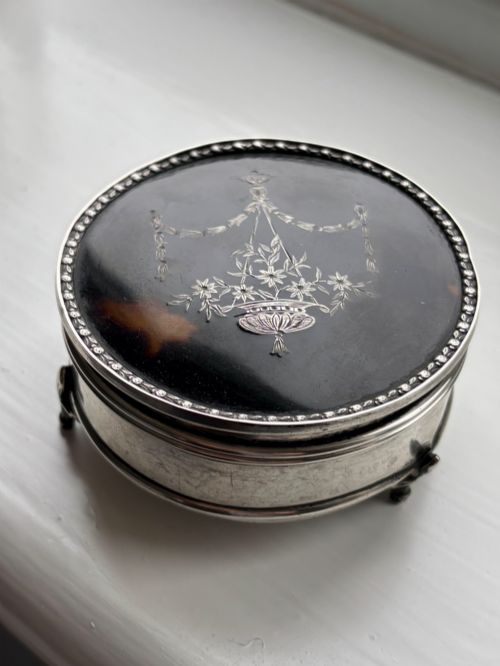
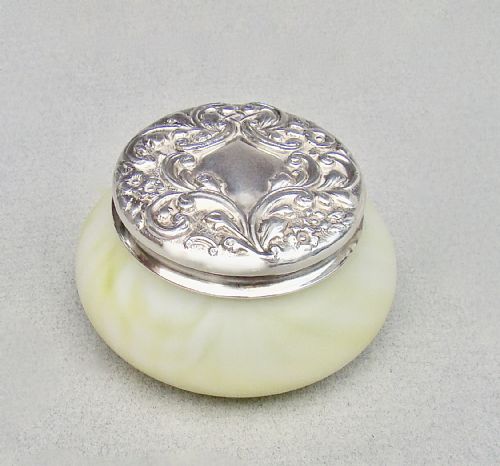
The body of the jar often takes the form of cut glass, satin glass, or coloured glass such as cranberry and amethyst, topped with a matching silver lid. Some variants feature decorative additions like hand-painted porcelain plaques, faux tortoiseshell, or intricate enamel work.
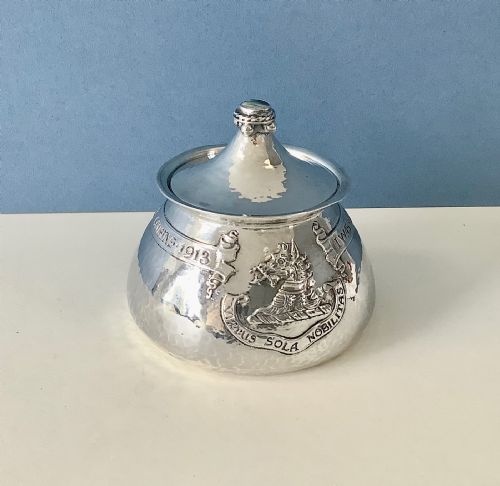
Makers utilised various silhouettes, ranging from simple circular pots to heart-shaped boxes and larger table jars. Each piece reflects the dressing table fashions of its respective period, from the geometric lines of the 1920s to the spot-hammered surfaces of the Arts and Crafts movement.
Materials and construction methods
The manufacturing process combined silversmithing with glass-blowing, cutting, or moulding to create a cohesive vanity piece. Sterling silver mounts and lids were shaped, stamped with assay office hallmarks, and fitted securely to the rims of glass or crystal bodies.
Enamelling techniques, particularly guilloché, added decorative coloured patterns beneath translucent layers of glass enamel on the silver lids. Other examples incorporated hand-painted porcelain or organic materials like tortoiseshell set directly into the metal framework.
Sterling Silver Trinket Jar Retail Price Guide 2026
Typical asking prices for sterling silver trinket jar among the pieces listed under this phrase on Sellingantiques today, from the lower quarter to the upper quarter. They describe what is for sale here now, not the wider market.
Heart-shaped crystal boxes offer a romantic alternative to standard round pots for holding your tiniest treasures.
Distinguishing quality in silver jars
Quality in these pieces is dictated by the crispness of the glass cutting, the weight and thickness of the sterling silver mount, and the intricacy of any supplementary decoration. Deeply etched crystal and heavy gauge silver represent the higher tiers of craftsmanship.
The condition and complexity of the enamel work or hand-painted elements also separate standard containers from finer items. Well-preserved guilloché patterns and undamaged porcelain or tortoiseshell panels indicate superior workshop origin and careful preservation.
A. J. Pepper & Co·Henry Clifford Davis·A. Bromet & Co·Nathan & Hayes·Omar Ramsden·Jonathan Douglas·Ollivant & Botsford
The Sterling Silver Trinket Jar Glossary
- Hallmark
- Official marks stamped on precious metals indicating the standard of purity, the assay office, and the year of manufacture. These symbols allow collectors to date the silver mount accurately.
- Guilloche enamel
- Decorative mechanical engraving on metal that is covered with translucent enamel, creating a repeating geometric pattern underneath the colour. This technique is prominent on Art Deco vanity jars.
- Cut glass
- Glassware shaped and patterned by abrasive wheels, producing deep facets that catch the light. It forms the heavy, sparkling body of many Victorian and Edwardian dressing table boxes.
- Sterling silver
- An alloy of silver containing 92.5 percent pure silver and 7.5 percent other metals, usually copper. This standard composition is used for the lids and mounts of these jars.
Sterling Silver Trinket Jar: Frequently Asked Questions
What was a trinket jar used for?
These jars served on dressing tables to hold small personal items such as rings, pins, and hair ornaments. They kept delicate accessories organised and protected from dust.
Over time, their role shifted from utilitarian daily items to decorative display pieces that reflected the taste of the owner.
How do I date a silver jar?
Dating relies primarily on the assay office hallmarks stamped into the sterling silver mount or lid. These marks include date letters that correspond to specific years of testing.
Stylistic cues such as Art Deco geometric motifs or Edwardian glass cuts also help narrow down the period of manufacture.
Are the glass bodies always crystal?
Not all bodies are heavy cut crystal, as makers utilised a wide variety of glass types. Listings feature satin glass, coloured cranberry and amethyst glass, and plain blown glass.
Each material alters the visual weight and light-catching properties of the container on a vanity table.
How should I clean silver and glass jars?
Cleaning requires separating the care of the metal from the glass or enamel components. Silver polish should be applied gently to avoid touching delicate enamel, porcelain, or tortoiseshell inserts.
Glass bodies can be washed with mild soapy water and dried thoroughly to restore their clarity without risking the metal mounts.