





Sterling Silver Sweet Dish
These sterling silver sweet dish pieces bring small-scale elegance to a table, offering a decorative vessel for confectionery.
Sterling Silver Sweet Dish
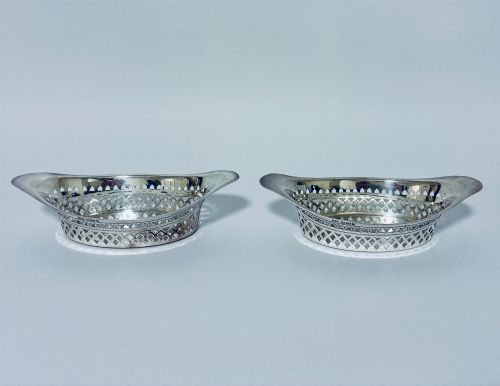
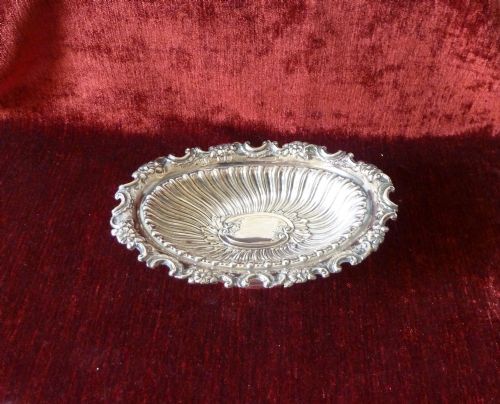
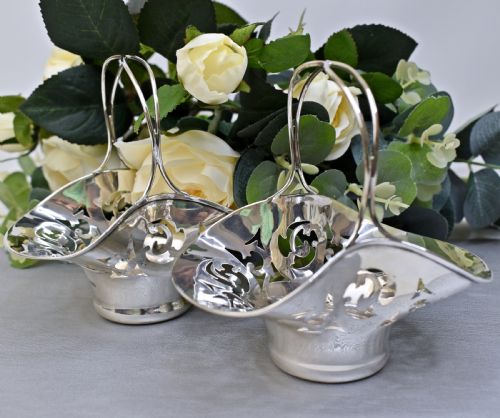
A sterling silver sweet dish takes the form of small bowls, baskets, stands, and bonbon dishes designed for holding confectionery on a table or sideboard. These items appear across Victorian, 19th Century, and 20th Century periods, encompassing various decades from the 1870s through to the 1930s.
The objects listed on this page span several stylistic categories, including Victorian and Art Deco designs. Common configurations include handled baskets, pedestal bowls, and paired sweet dishes originating from workshops in London, Sheffield, and Birmingham.
How they were made
The construction of these pieces relies on sterling silver and silver plate materials, shaped into bowls, baskets, and stands. Metalsmiths utilised forming and piercing techniques to create openwork patterns on sweet baskets and bonbon dishes.
Silversmiths applied hallmarks to authenticate the metal standard and trace the origin to specific assay offices such as London, Sheffield, and Birmingham. Production methods across the Victorian and Deco eras combined traditional silversmithing with structured pedestal bases.
Sterling Silver Sweet Dish Retail Price Guide 2026
Typical asking prices for sterling silver sweet dish among the pieces listed under this phrase on Sellingantiques today, from the lower quarter to the upper quarter. They describe what is for sale here now, not the wider market.
Victorian diners clearly had a formidable sweet tooth, demanding an entire apparatus dedicated solely to sugary morsels.
What varies in quality
The distinction between standard examples and superior pieces rests on the crispness of the piercing, the weight of the sterling silver, and the clarity of the hallmarks. Pieces featuring matched pairs or intricate openwork baskets display higher levels of craftsmanship.
Design complexity also defines the range, moving from simple sweet bowls to elaborate pedestal stands and handled baskets. Maker attribution and the preservation of original form further differentiate individual items.
Fenton Brothers
The Sterling Silver Sweet Dish Glossary
- Sterling silver
- A silver alloy containing 92.5 percent pure silver and 7.5 percent other metals, usually copper, ensuring durability for tableware. This material forms the primary substance of the sweet bowls and baskets.
- Bonbon dish
- A small vessel specifically intended for holding sweet confections or bonbons on a dining table. These items frequently feature openwork piercing or swing handles.
- Hallmark
- An official stamp applied to precious metals indicating the standard of purity, the assay office, and the date of manufacture. These marks allow collectors to verify the exact year and location of production.
- Piercing
- A decorative technique involving the cutting away of metal to create openwork patterns and lattices. This method appears frequently on Victorian silver baskets and bonbon dishes.
- Pedestal bowl
- A vessel elevated upon a raised foot or column base rather than resting directly on a flat surface. This form provides height and visual prominence to sweet bowls and stands.
Sterling Silver Sweet Dish: Frequently Asked Questions
What is a silver sweet dish used for?
These small vessels were traditionally placed on dining tables or sideboards to hold sweet confections, nuts, or small pastries during formal meals and gatherings.
Over time, their decorative openwork and gleaming silver surfaces also made them popular simply as ornamental display pieces within a room.
How do I date a silver sweet dish?
Dating relies primarily on the stamped hallmarks, which indicate the specific assay office and year letter assigned to the piece during its manufacture.
Stylistic indicators, such as Victorian scrollwork or later Art Deco geometric lines, also help narrow down the production period.
How should I clean my silver dish?
Maintenance involves gentle cleaning with a specialised silver cloth or mild polish designed to remove tarnish without abrading the metal surface.
Regular, careful upkeep preserves the crispness of pierced openwork and the legibility of the original hallmarks.