

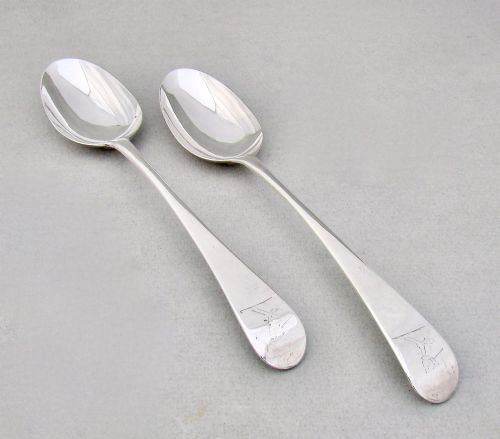
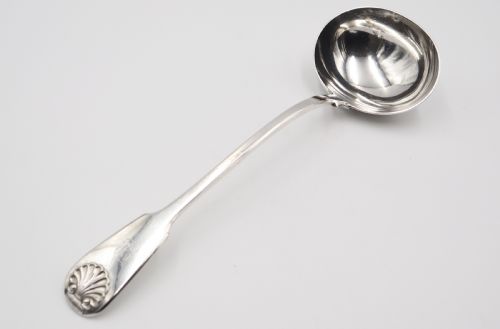
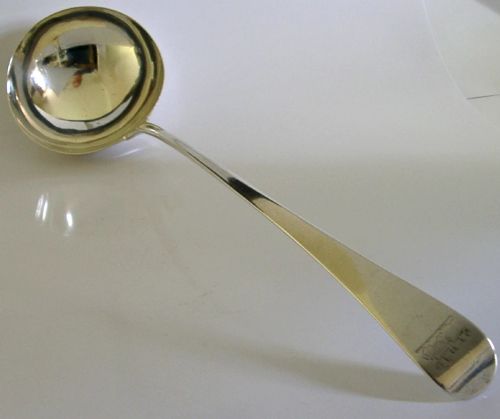
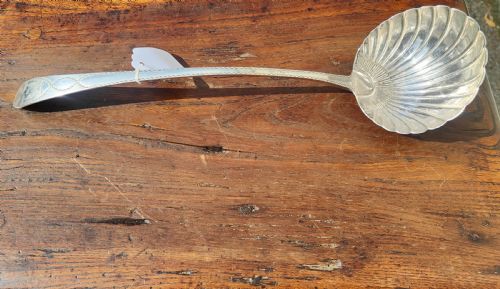



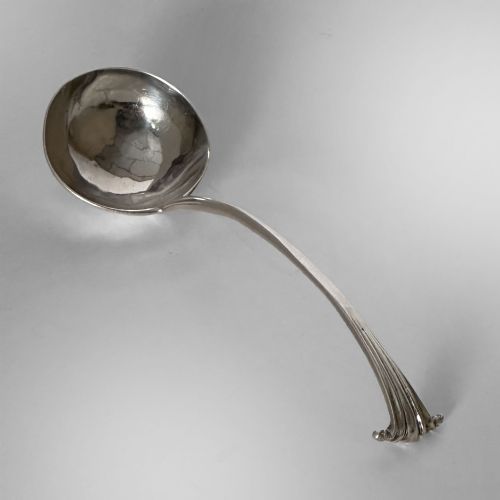
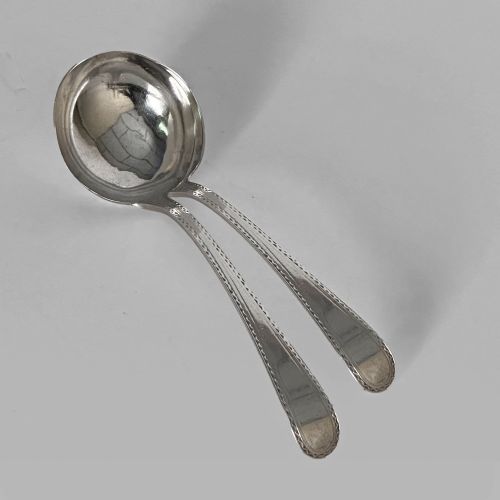


Sterling Silver Soup Spoons
Sterling silver soup spoons and ladles span the Georgian, Victorian and Edwardian periods, offering functional elegance for the dining table.
Sterling Silver Soup Spoons
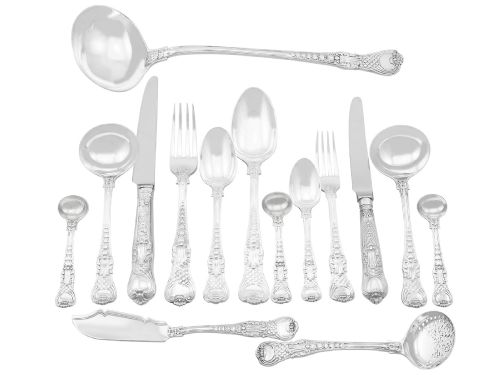
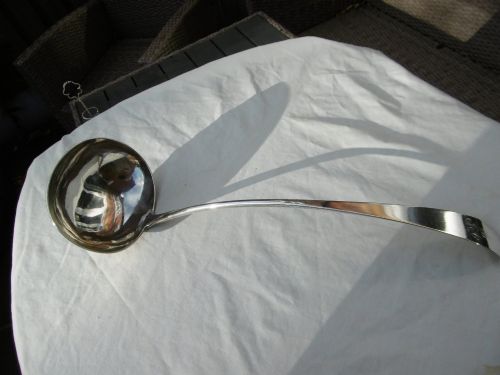
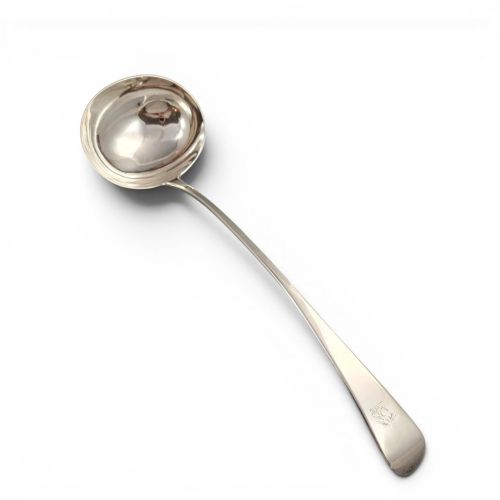
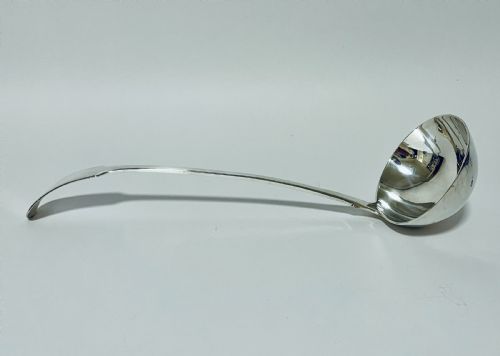
Sterling silver soup spoons encompass large serving ladles, punch ladles and matching cutlery sets designed for formal dining. When you search for sterling silver soup spoons, you encounter substantial serving ladles alongside tablespoons and full canteens from the eighteenth and nineteenth centuries.
The pieces on this page originate predominantly from Georgian and Victorian workshops, featuring traditional patterns such as Old English and Queen's pattern. Makers from London, Dublin, Edinburgh and regional provincial towns shaped these utensils for heavy domestic service.
How they were made
Silversmiths hammered sterling silver and solid silver into robust bowls and handles, occasionally incorporating wood, steel or horn components for grip and balance. Provincial and capital makers struck their pieces with town marks, period crests and maker initials to certify the metal standard.
Handles often display threaded borders, engraved crests or distinct regional patterns applied by hand. The construction prioritises durability for daily use at the dining table, utilising thick gauges of silver that withstand centuries of polishing.
Sterling Silver Soup Spoons Retail Price Guide 2026
Typical asking prices for sterling silver soup spoons among the pieces listed under this phrase on Sellingantiques today, from the lower quarter to the upper quarter. They describe what is for sale here now, not the wider market.
Listings feature sterling silver and solid silver pieces spanning the eighteenth, nineteenth and twentieth centuries, including Georgian, Victorian and Edwardian eras.
What varies in quality
Quality rests upon the weight of the silver, the crispness of the engraved crests and the integrity of the maker marks stamped into the metal. Heavier ladles demonstrate substantial metal thickness in the bowl and stem, reflecting superior workshop standards.
Provenance and origin dictate distinction, with provincial Scottish and Irish pieces carrying regional town marks holding particular interest. The clarity of traditional patterns like Old English or Queen's pattern distinguishes standard domestic output from master silversmith production.
Milne and Campbell·Hester Bateman·William Ferguson·Jamieson and Naughton·Mary Chawner
The Sterling Silver Soup Spoons Glossary
- Sterling silver
- An alloy containing ninety-two point five percent silver by mass, with the remainder copper or other metals. This standard ensures durability for cutlery and serving pieces.
- Old English pattern
- A traditional eighteenth-century spoon design featuring a down-curved stem terminal and a central ridge on the back. It remains a staple of Georgian silver cutlery.
- Queen's pattern
- An ornate nineteenth-century decorative design characterised by shell and floral motifs along the handle border. This style appears frequently on Victorian ladles.
- Punch ladle
- A specialised serving utensil with a deep bowl, often paired with whalebone, horn or wood handles. These pieces were utilised for serving social drinks in the eighteenth century.
- Provincial mark
- A stamp applied by silversmiths working outside major assay offices like London, indicating regional manufacture in towns such as York, Elgin or Inverness.
Sterling Silver Soup Spoons: Frequently Asked Questions
How do I identify a Georgian soup ladle?
Georgian ladles display hallmarks specific to the eighteenth or early nineteenth centuries, often featuring London assay office stamps or provincial town marks alongside monarch duty marks. Their design typically follows the plain Old English pattern or incorporates hand-engraved family crests.
The silver gauge tends to be heavy and substantial, shaped by notable makers from the period. Examining the underside of the handle reveals the stamped maker initials and date letters.
What is the difference between a ladle and a tablespoon?
Ladles feature deep, rounded bowls designed for scooping liquids such as soup, punch or gravy from a tureen or bowl. Tablespoons possess shallower, oval bowls intended for serving solid side dishes or for use at the dining place setting.
Soup ladles are significantly larger and heavier than standard tablespoons, requiring reinforced stems to support the weight of the contents.
How should I clean antique silver spoons?
Cleaning requires a soft cloth and a specialised silver polish formulated to remove tarnish without abrading the metal or softening engraved crests. Avoid harsh chemical dips that strip the natural patina accumulated over centuries of age.
Wash the pieces in warm soapy water and dry them thoroughly after polishing to protect the sterling silver surface and any incorporated horn or wood elements.
Why do some ladles have horn or wood handles?
Eighteenth-century punch ladles and serving utensils frequently utilised organic materials like horn, whalebone or wood to prevent heat transfer from hot liquids to the user's hand. These materials provide a contrasting texture and lighter weight balance against the heavy silver bowl.
Careful conditioning of the organic handle elements helps maintain their integrity alongside the metal components.